

ATEC: The Growth Engine Meets the Cash Register
At the mid-year point, Alphatec Spine’s growth engine is showing no signs of running out of gas.
Sep 18, 2026
At the mid-year point, Alphatec Spine’s growth engine is showing no signs of running out of gas.
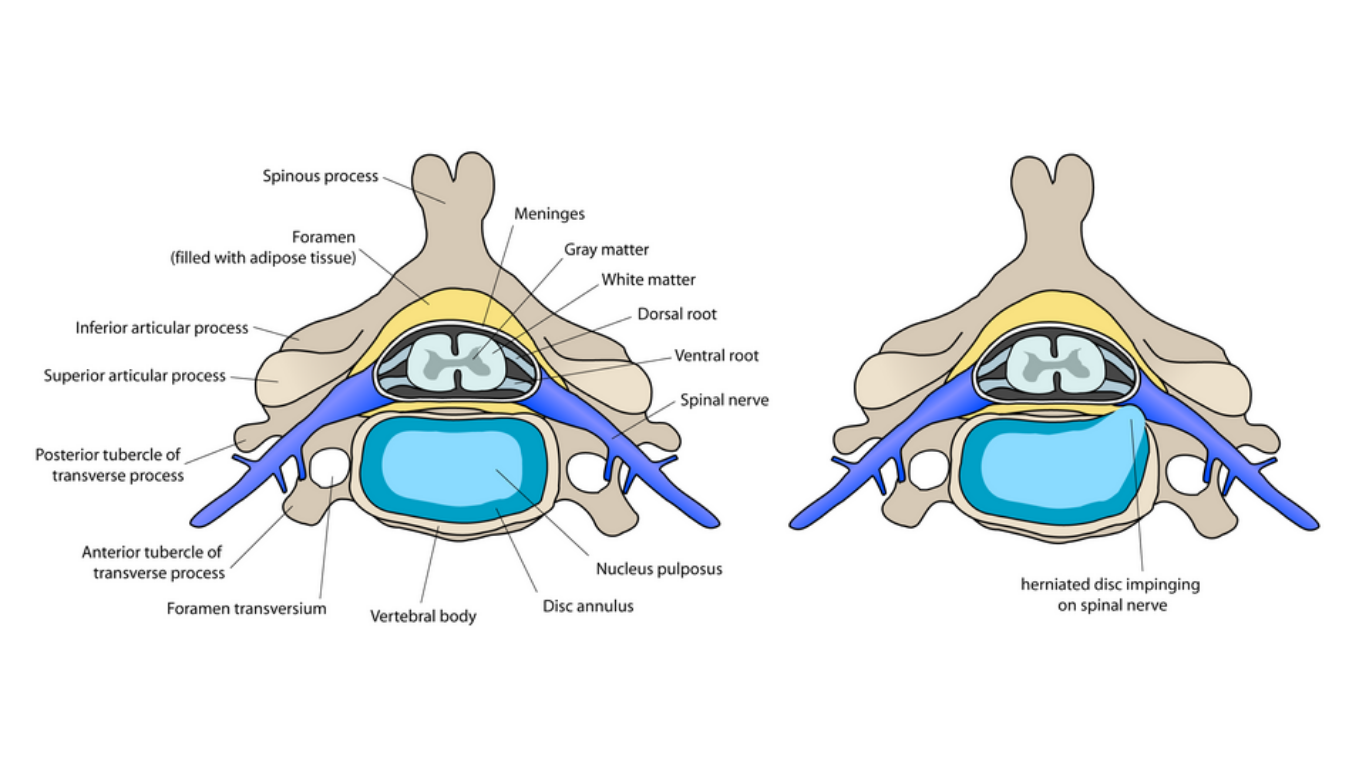
Does GLP-1 make a difference, pro or con, for patients undergoing anterior cervical discectomy?
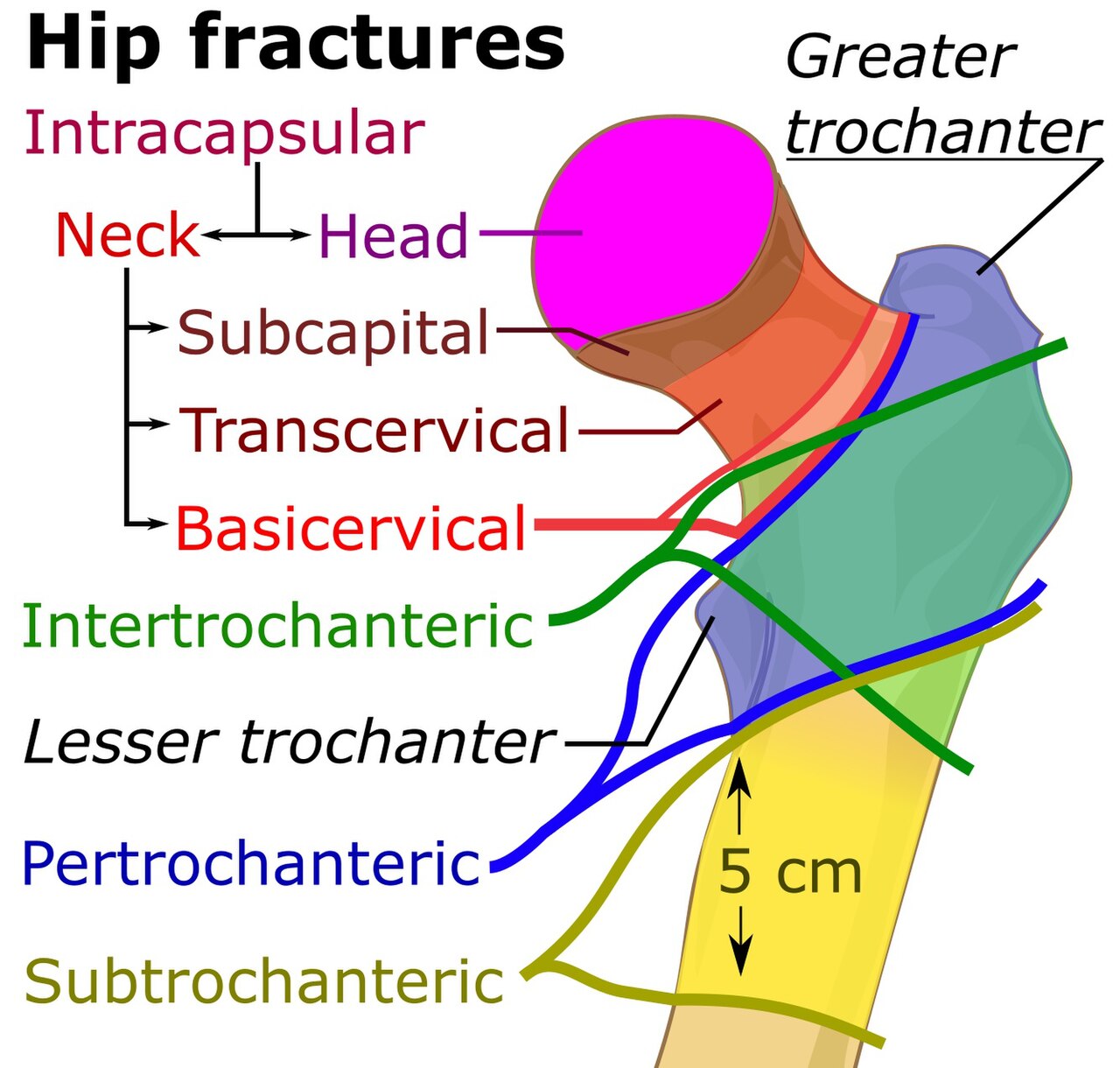
The argument for primary total hip arthroplasty (THA) after a pertrochanteric fracture sounds appealing...

When will OFIX’s strong sales growth hit earnings?
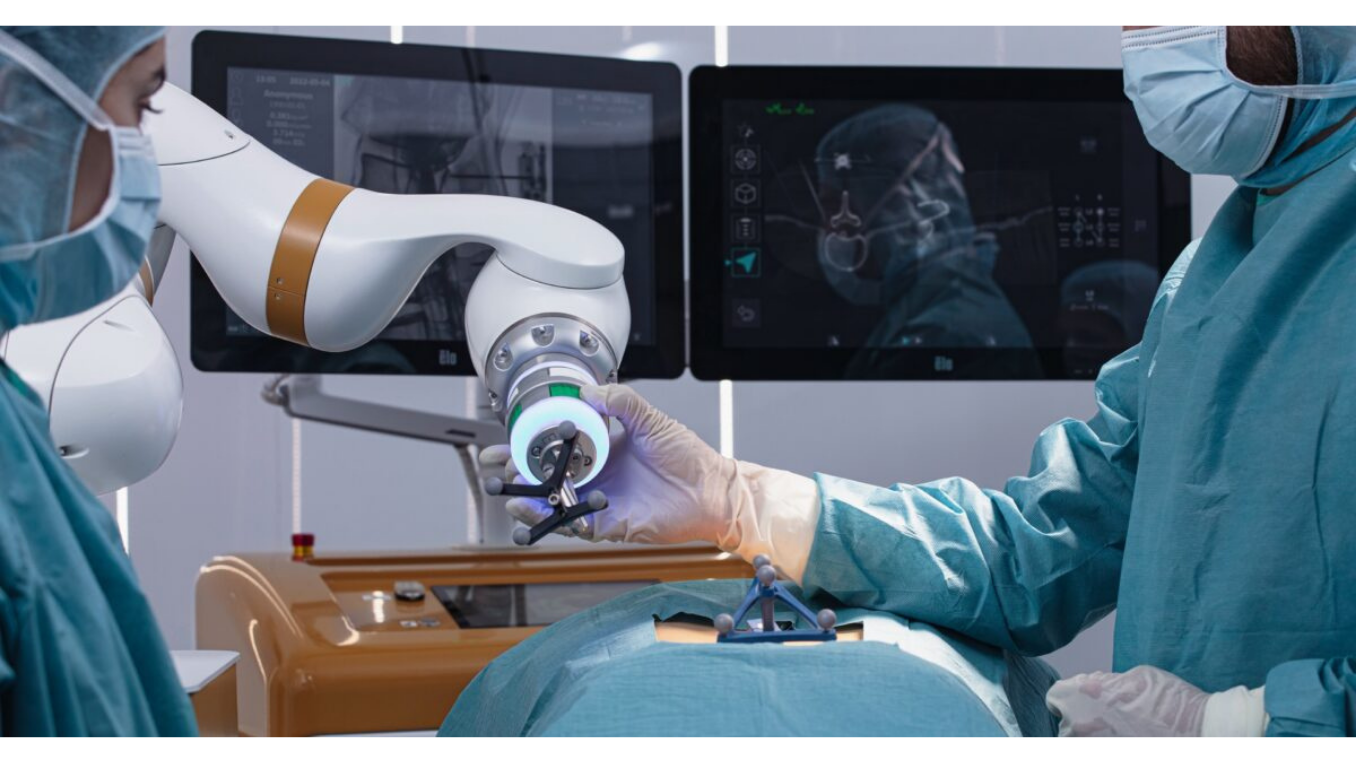
Did Enovis negotiate the deal of the decade for eCential?

In a bid to fend off more than 2,200 pending lawsuits, Exactech’s owner, TPG Capital, which acquired Exactech in 2018 for $737 million, has decided to put the Company into bankruptcy. While bankruptcy typically spells the end of a company, in this case, it, potentially, gives this venerable orthopedic pioneer a fresh start.

Here are the best new spine surgery technologies for 2024, Gold Medal Winners. This year’s panel of top spine and neurosurgeons were tough, discerning and practical. Their choices clearly point to the future of spine surgery.

Vijay Goel, Ph.D.,79, has died—winner of 4 lifetime achievement awards and one of the most gifted and accomplished scientists and professor of spine biomechanics and engineering in the world.

Stryker’s bid to buy Vertos Medical represents a novel and strategic addition to its spine surgery portfolio, expanding its presence among pain practices, ASCs, and outpatient spine clinics. But even more, it reinforces the trend to procedure-based, not implant-based, medicine.

Despite no press announcements from either the owner of the Musculoskeletal Clinical Regulatory Advisors, LLC (aka: MCRA) or its acquirer, North Carolina-based IQVIA, MCRA is now an IQVIA company. LinkedIn said so.

On his 90th birthday, August 16, 2024, on his beautiful mountain top in Clarion County Pennsylvania, 22 miles from where he grew up, Arthur Steffee, M.D., one of the founding fathers of modern spine surgery, died at age 90 years old.
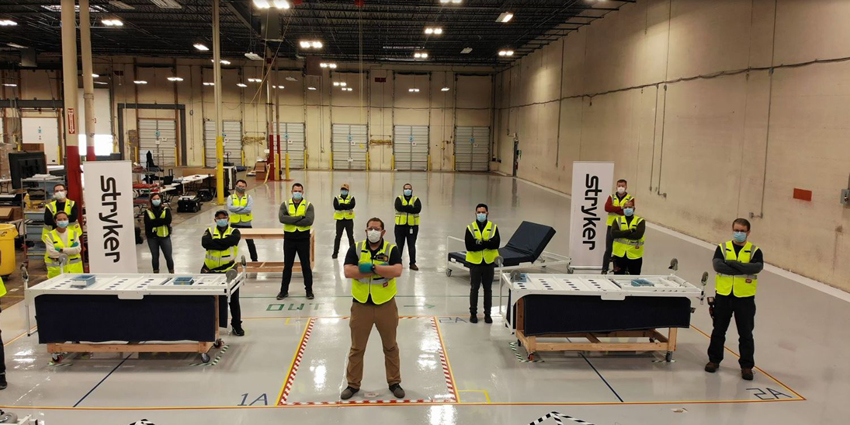
Among the large, integrated suppliers of musculoskeletal implants, biologics, navigation, and other intelligent systems, Stryker Corporation—for both systemic and execution reasons—came in at the top of its class at 2024’s six month mark.

Zimmer Biomet added $72.4 million in new sales (year-over-year) in the June 2024 quarter.

Globus Medical will likely reach $2.5 billion in total revenue for the 12 months ending December 31, 2024.

Bioventus’s June 2024 quarter report was cash from operations—up a whopping 40.5% to $15.2 million.

Two of the most successful CEOs in the history of spine surgery, Keith Valentine, formerly CEO SeaSpine and NuVasive, Inc, and David Demski, former CEO of Globus Medical, have both stepped up and bought more shares of Alphatec Holdings, Inc. (ATEC).

What most med tech managers get wrong is logistics. Yet, mastering med tech logistics delivers better sales, profits, stability, happier surgeons and more restful nights. One company, above all, has made logistics excellence inevitable. Here is the story of Global Med Logistix.

With this latest FDA decision, the era of, literally, 99.99% zero bacterial contamination on any musculoskeletal implant is beginning. Princeton’s Orthobond Corporation’s technology covalently binds a coating which actively kills bacteria but is safe for mammalian cells. A new anti-bacterial implant era is beginning.
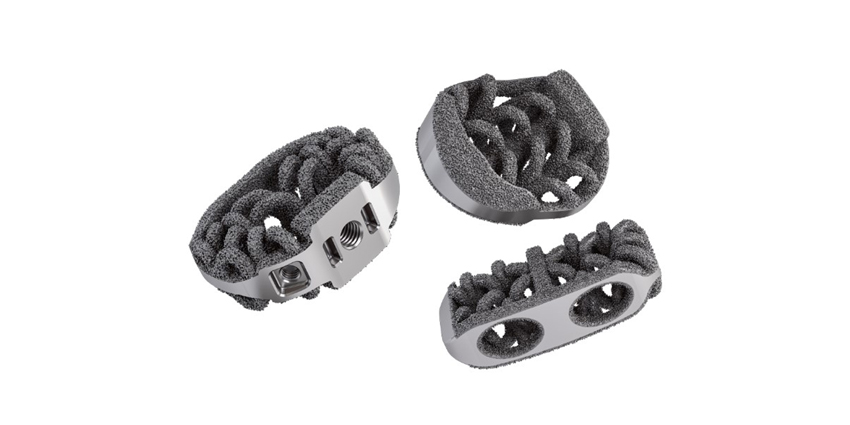
Numerous factors can frustrate any surgeon’s pursuit of osseointegration. But two basic factors can be every spine surgeon’s ace in the hole—structure and chemistry. 3D-printed designs appear to be tipping the balance towards structure. Here are the details.

A raft of emerging bioengineering companies have filed significant patents and made other public announcements about bringing to market incredible new ways of engineering tissues, creating proteins, even scaling up to engineer complex organs.

Part II of our Arnold Caplan, Ph.D. remembrance. His unifying vision for regenerative medicine combined with his ability to lead and collaborate with others, made him the consensus father of regenerative medicine. Here is how that happened.

Dr. Arnold Caplan, “Arnie” to his thousands of colleagues and friends around the world, left us on January 10, 2024. His unifying vision for living cell therapies and regenerative medicine has become a foundational part of musculoskeletal care. The passing of Arnie Caplan is a significant loss. Here is his story.

All BMP-2 bone grafting products require an FDA PMA for commercialization in the United States. Three young companies are working their ways through that gauntlet. If successful, and I think one or more will be, then Medtronic’s Infuse, the market leader in advanced osteogenetic bone grafts will have its first direct BMP competitor.

Want to rile up spine surgeons? Then say something against the anterior approach.
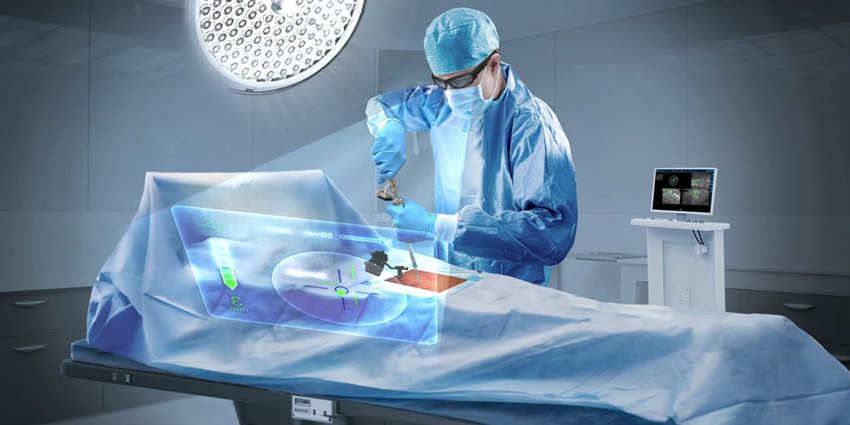
A new study from Germany evaluated an augmented reality (AR) navigation system for pedicle screw placement.
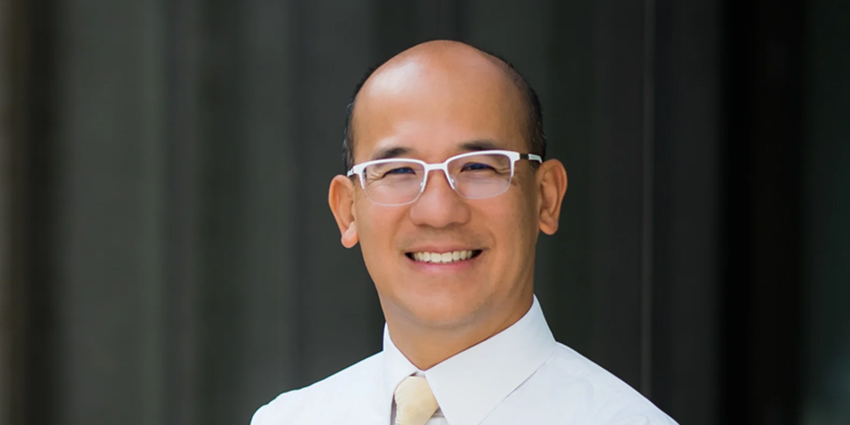
Dr. B. Benjamin Ma is University of California San Francisco’s new Department of Orthopaedic Surgery chair.

Michael Sherman, whose contributions to spine innovation are, literally, the subject of history books, once told me: “Surgeons are great at articulating problems, engineers at finding solutions.” Could the explosion of various artificial intelligence (AI) algorithms change that dynamic—towards the surgeon inventor? It just might.
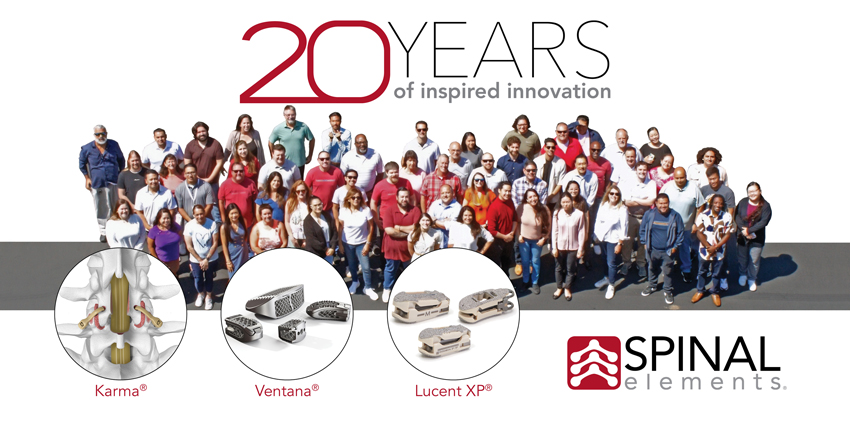
It’s been an eventful 20-years since NuVasive’s manager of interbody development teamed up with a CoorsTek executive to start Quantum Leap?? Today it’s Spinal Elements—one of Spine’s most innovative suppliers—and one of the rare spine companies to make it to a 20th anniversary. Here’s their remarkable story.

These last couple years nearly broke one of the largest, most consequential suppliers of musculoskeletal products, Bioventus. Here is the story of that firm’s long, strange trip…and the re-retirement of interim CEO Tony Bihl.
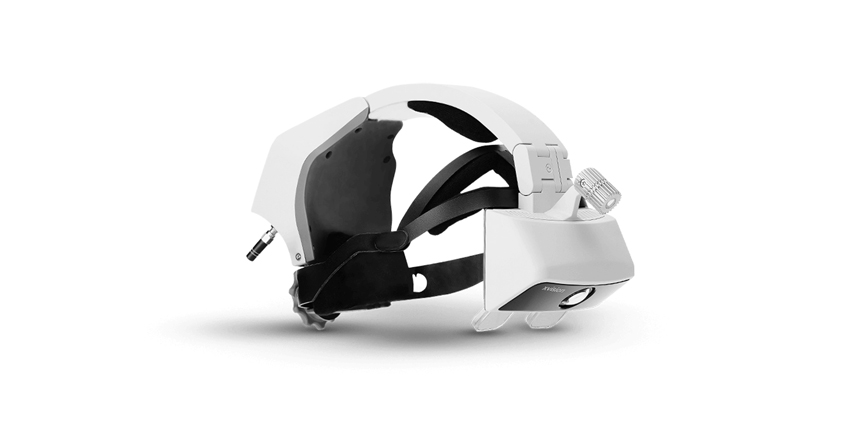
What ROIs are current hospital augmented reality users achieving?

Massimo Calafiore, the former chief commercial officer for NuVasive, Inc., and the current CEO of Villanova, San Daniele del Friuli, Italy-based LimaCorporatehas accepted the top job at Lewisville, Texas-based Orthofix Medical Inc.
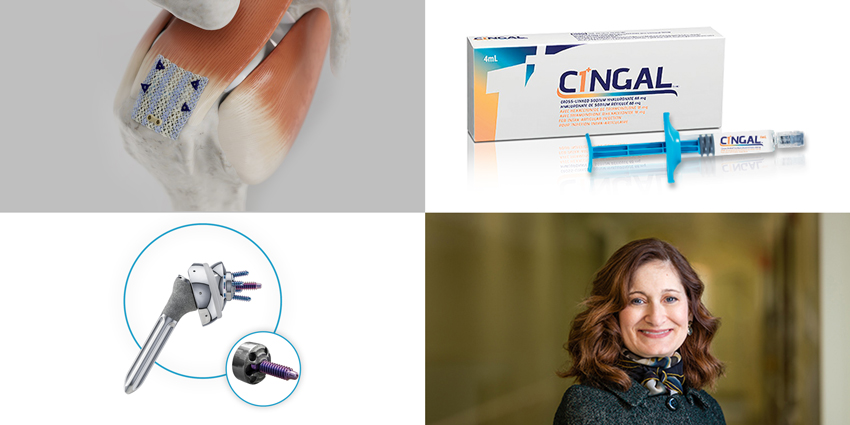
There is probably no more fascinating orthopedic company than Anika Therapeutics. Under CEO Cheryl R. Blanchard, Ph.D., this HA market leader is thinking big and creatively—launching not one, not two, but three disruptive technologies.

Keith Byers is the new JRF Ortho’s president and executive director.

“First, do no harm”—then Medicare cuts physician pay year after year.

Camber Spine adds to Brooks McAdam’s title as COO as well CEO and board member.
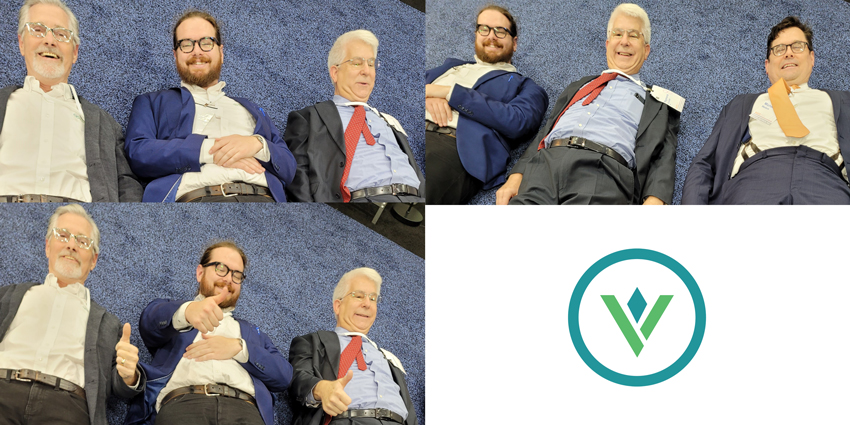
According to a recent North American Spine Society (NASS) survey, 24% of all spine and neurosurgeons prefer the anterior/supine approach. But…notably…84% of all spine and neurosurgeons would do more of their cases anteriorly if they could get safe and reproducible minimally invasive exposure at L4-S1 in under 30 minutes.

The American Joint Replacement Registry (AJRR) annual report is now available.
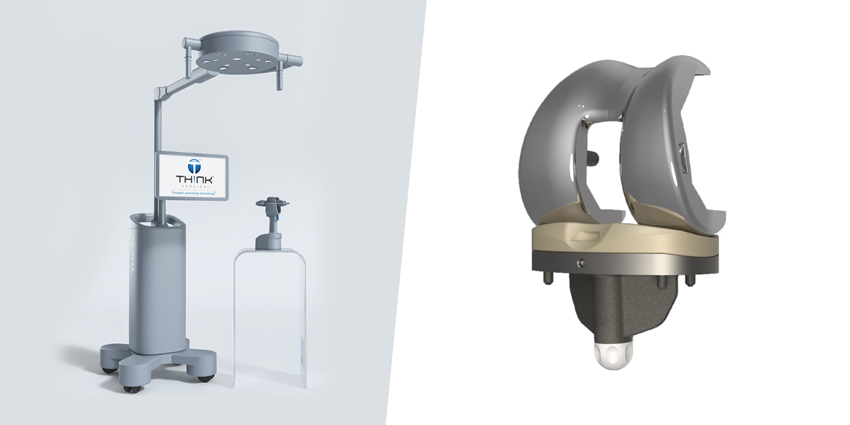
Total Joint Orthopedics receives FDA clearance for use with Think® Surgical’s TMINI™ Miniature Robotic System.
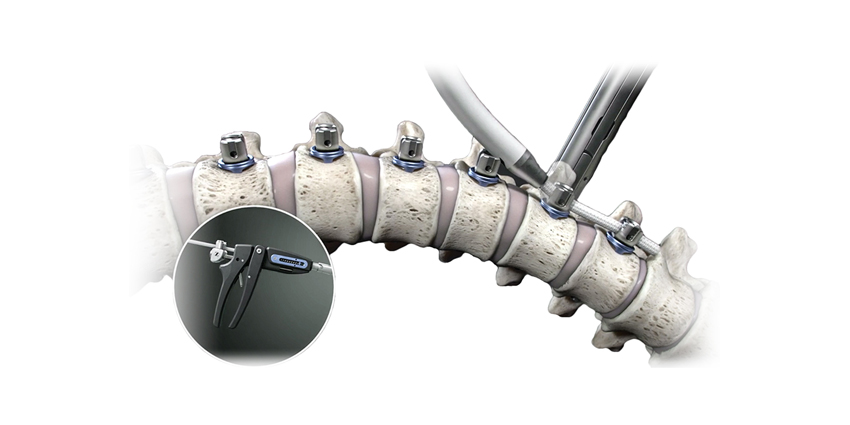
A major milestone reached when the 2000th adolescent idiopathic scoliosis patient was treated…The Tether.

): A drug, Riluzole, which was approved by the Food and Drug Administration 28 years ago to treat amyotrophic lateral sclerosis (aka: ALS or Lou Gehrig’s Disease) was found by a team of researchers at the University of Houston to preserve nerve cells in patients facing permanent disability or worse from acute spinal cord injuries.

For 2023, we are excited and honored to present the Best New Technologies for Spinal Surgery. A record number of worthy new technologies were submitted and here are the best of the best.

Alphatec raised $150 million with a new offering of 14.3 million shares at $10.50 per share.

The top news at the 2023 annual meeting of the North American Spine Society was Alphatec’s announcement that two of the most accomplished spine company executives had joined the firm, creating, in effect, Spine’s Dream Management Team.
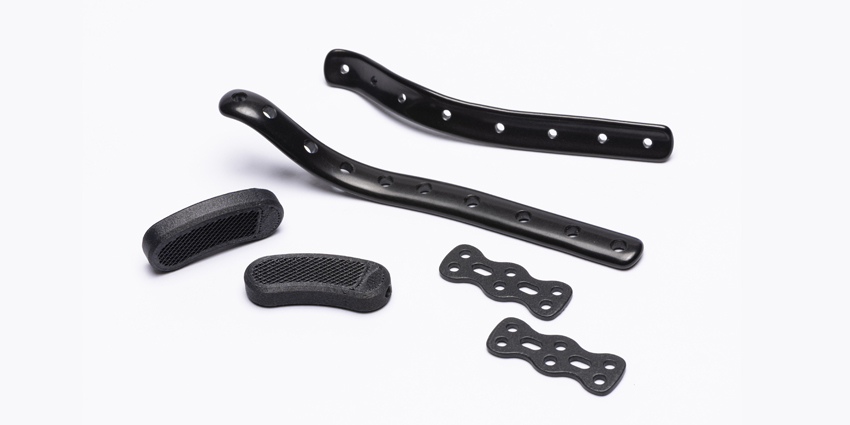
Evonik has launched a novel reinforced PEEK material designed for 3D printing of implants and instruments.
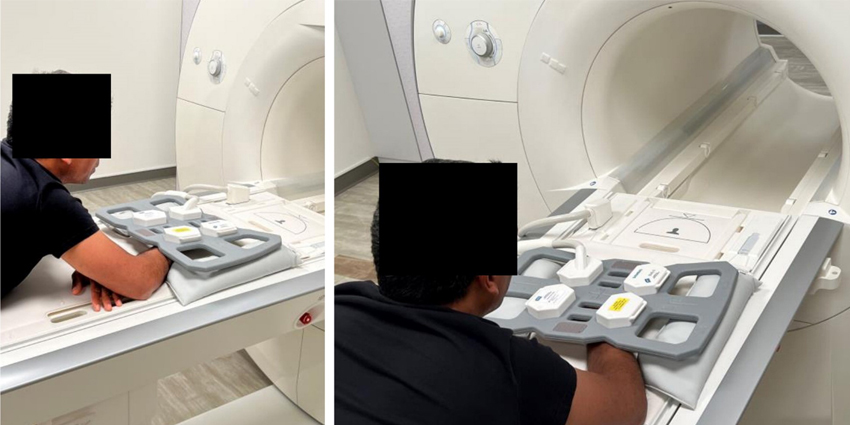
The brilliant minds at UC Davis and Stanford have accomplished yet another mind-boggling proof of concept. This time they used magnetic resonance imaging to capture the motion of an articulating wrist joint. And the video that results is, well, remarkable.
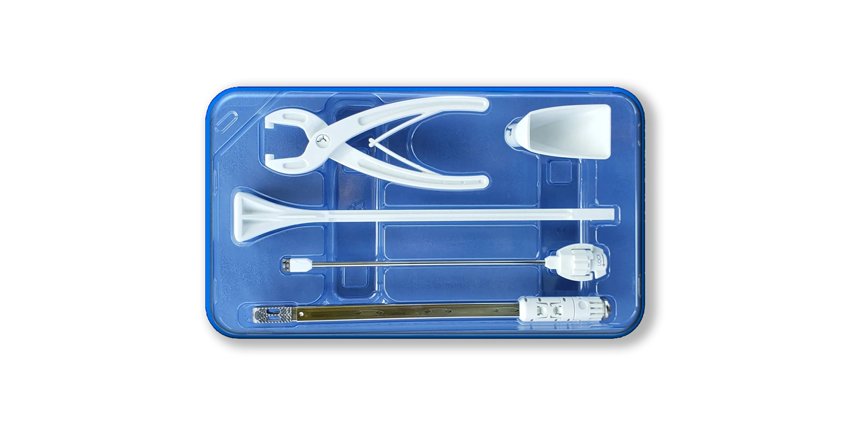
U.S. patent office awarded Kleiner Device Labs patent # US20230255791A1 for a novel spine fusion system.

OrthoCarolina names new CEO—Leo R. Spector, who holds both an M.D. and an M.B.A.
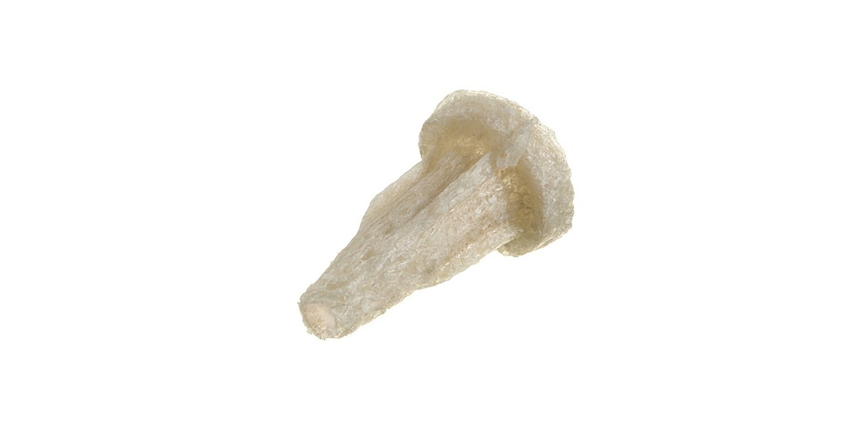
Tetrous, Inc., received patent number 11,759,548, in this first iteration for rotator cuff repair.
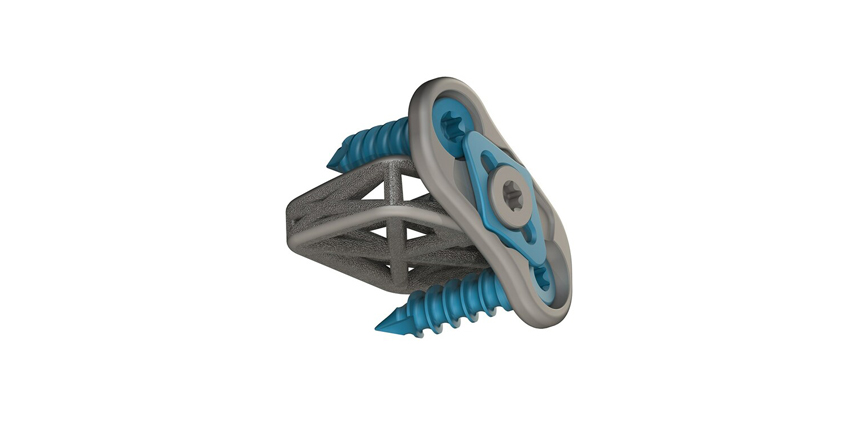
FDA cleared for commercial sale a novel, 3D printed integrated cervical plate from 4WEB Medical.

There has been a sharp increase in studies which analyze the application of AI and ML to musculoskeletal diagnosis and care. Reading those studies provides a valuable early assessment of AI and ML’s range and potential in orthopedics. Here is a summary.
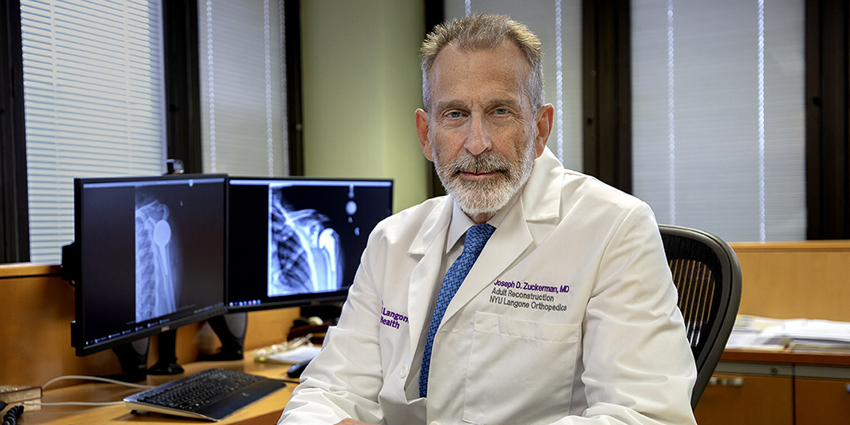
Someday buildings will be named for Joseph D. Zuckerman, M.D., winner of the OSET Lifetime Achievement Award.

The digital band has already started playing. Can the elephant learn the new dance?
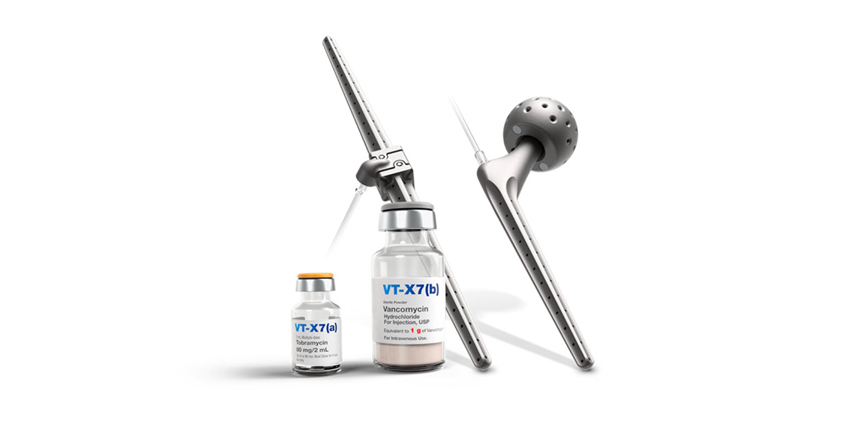
Seven-day treatment for periprosthetic joint infections (PJI) has just attracted $23 million in series C funding.
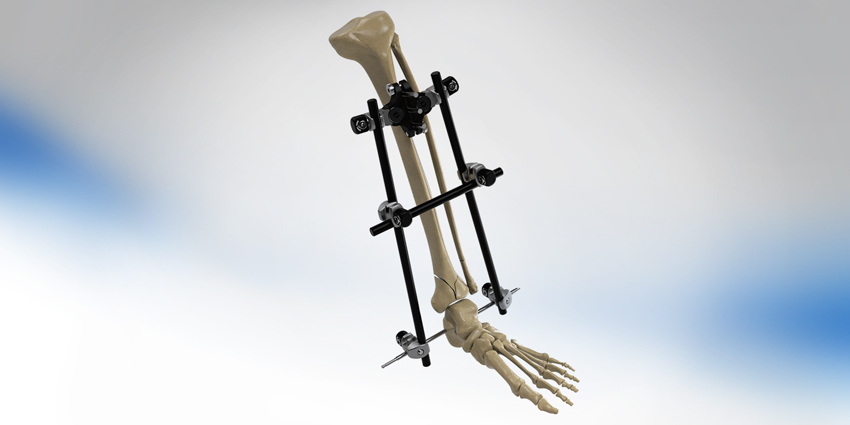
All in all, Orthofix offers an impressive portfolio of more than 50 sterile kit procedural solutions.
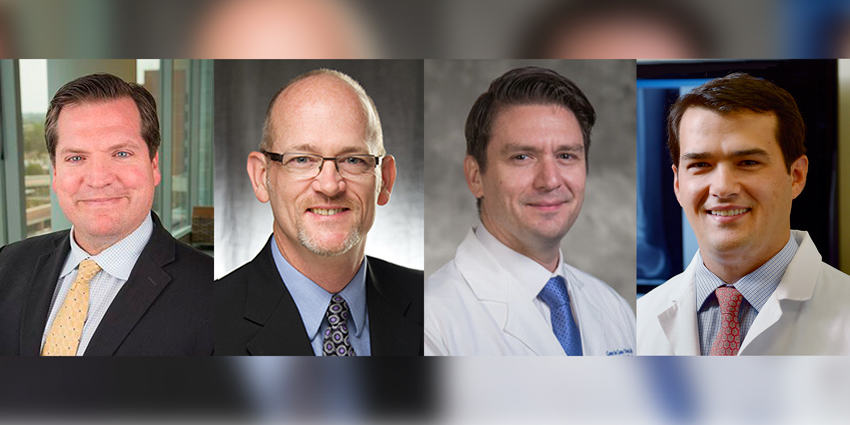
AOFAS and AF announced grant to support innovative clinical research toward treatments of ankle osteoarthritis.

Centinel Spine, a leading global medical device company known for addressing cervical and lumbar spinal disease through the most robust and clinically proven total disc replacement (TDR) technology platform, has sold its STALIF® and other fusion products business to Swiss-based Silony Medical International for an undisclosed amount.
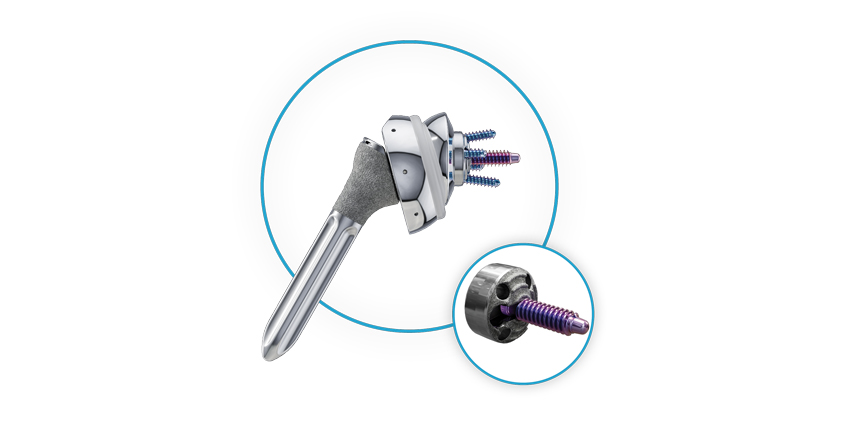
Anika Therapeutics announced the market release of their RevoMotion™ Reverse Shoulder Arthroplasty System.
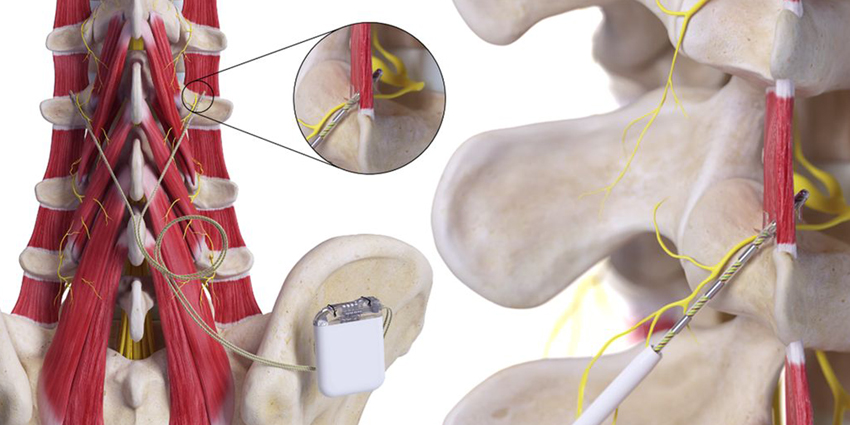
ISASS’ comprehensive set of guidelines for treating LBP patients with restorative neurostimulation therapies.

The week of September 11, 2023, was a tough one for Orthofix, its senior management and three specific senior executives who, with a combined 80+ years in spine, were summarily dismissed. We try to make sense of it all and get a handle on what happens next.

Sonex Health, an emerging growth company, closed on a Series B financing, raising a total of $40 million.
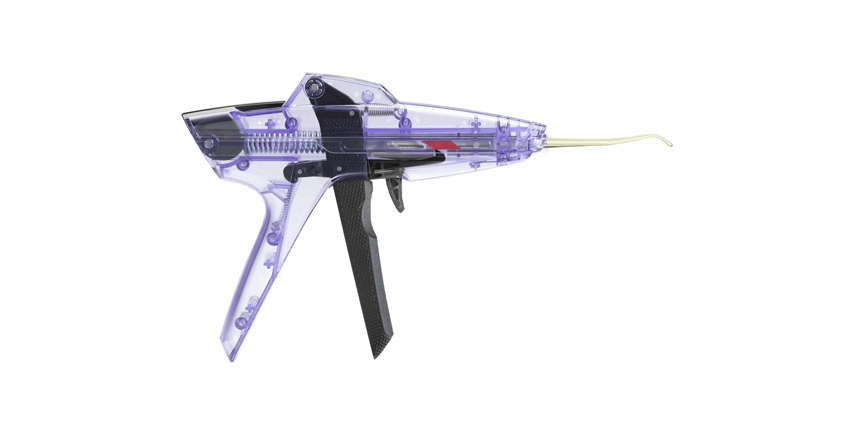
Marrow Access Technologies and Spartan Medical teamed up to distribute a novel cartilage repair technology.

The Scoliosis Research Society elected a new president and presents—its new board of directors.

On September 5, 2023, Conformis, Inc., which had been fighting for its very survival became part of an emerging leader in the field of additive manufacturing of musculoskeletal implants and instruments, North Carolina based restor3d, Inc.

September 1, 2023, NuVasive became a wholly owned subsidiary of Globus Medical.

Shocking move: Orthofix BOD terminated for cause three of the top executives in the world of spinal implants.

On September 1, 2023, Zimmer Biomet said goodbye to its Chief Executive Officer of six years, Brian Hansen and hello, kind of, to 44-year-old Ivan Tornos, the second youngest senior executive at Zimmer Biomet. What was Hansen’s tenure and what will Tornos do? We have some answers.
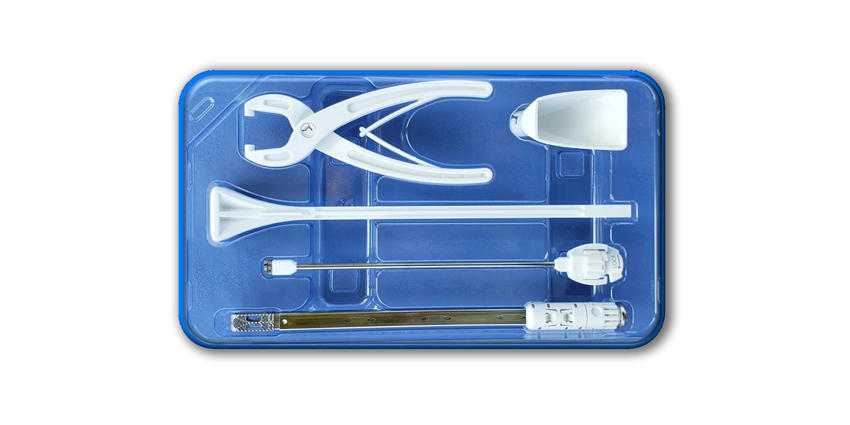
A novel bone graft delivery system addresses three shortcomings of the typical bone grafting in spine fusion.
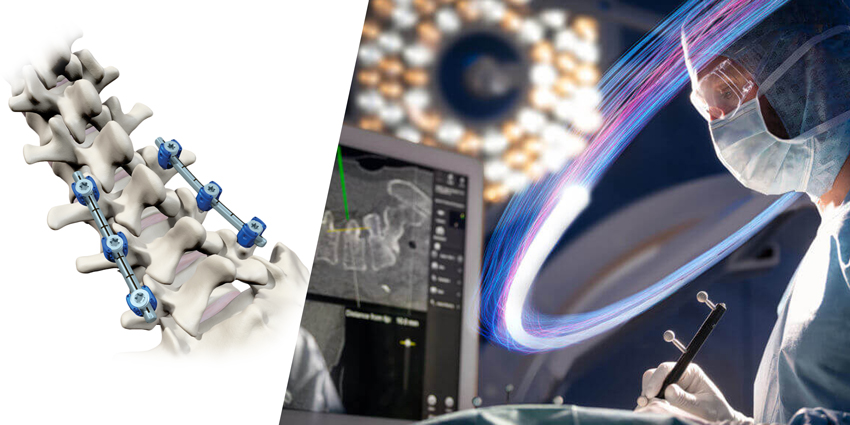
ZimVie Inc., is expanding its existing partnership with Munich, Germany-based Brainlab AG.
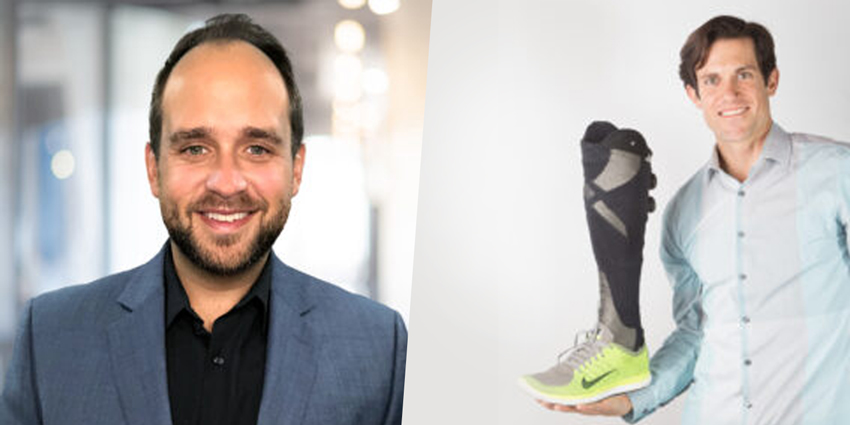
TayCo Brace announced that Garrett Gingerich and Garrett Hurley—two recent senior executives—join the company.

3D Systems, the company credited with launching the additive manufacturing revolution way back in ancient times—1986—is teaming up with Boston based Theradaptive, Inc., which is revolutionizing protein engineering.
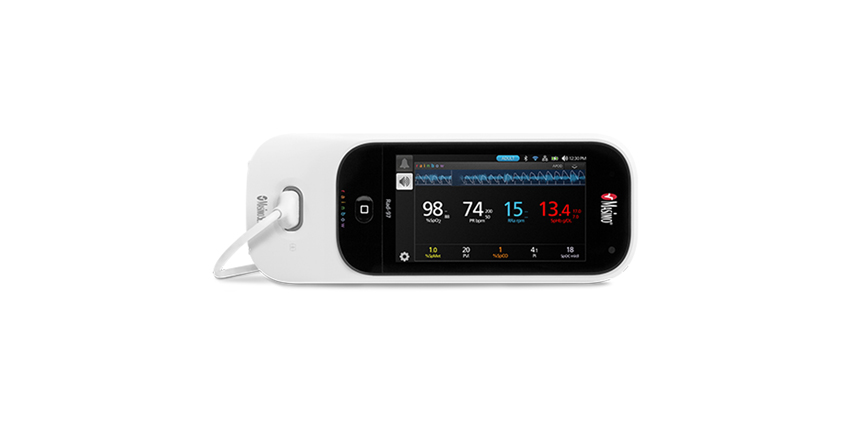
If Medical Data is the new oil, then Apple Computer’s “win” against Masimo Corporation, is significant.

Orthofix exceeds Wall Street analyst and institutional investor expectations—$362 million mid-2023-point sales.
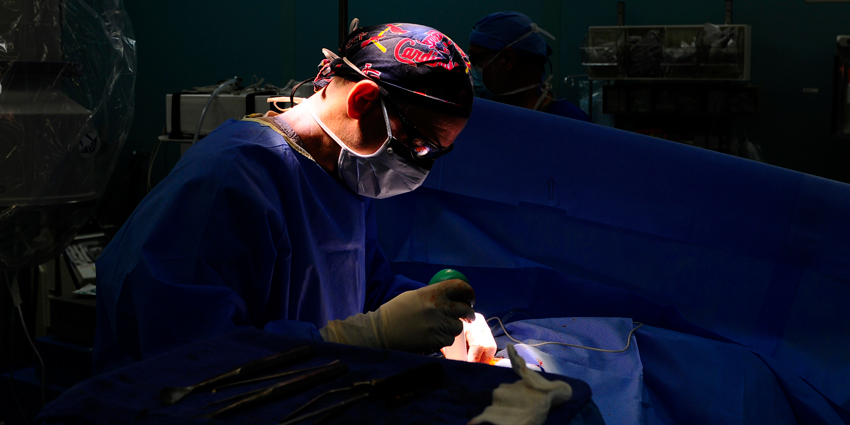
Are you a free-hander or a navigator? Are you an artisanal surgeon or do you look forward to a future of engineered processes and computational medicine? As AI and data push their way into the OR and physician’s offices, surgeons and their staff will be grappling with new and profound questions—including how to frame the practice of orthopedic and spine care itself.

Could Marietta, Georgia-based Artelon be the next billion dollar supplier to the foot and ankle market? Treace Medical Concepts was the first, and Artelon, who just raised $20 million and received broad FDA clearance to address the #1 reason for ER visits, may be the next.

Stryker’s June report soundly beat Wall Street’s forecasts.

Both Globus Medical and NuVasive reported 2Q23 results this past week.

For the 2Q2023, Alphatec Holdings, Inc. dramatically reclaimed the position of #1 market share gainer in the spine industry.

CurvaFix, Inc., announced that it has raised an impressive $39 million Series C round.
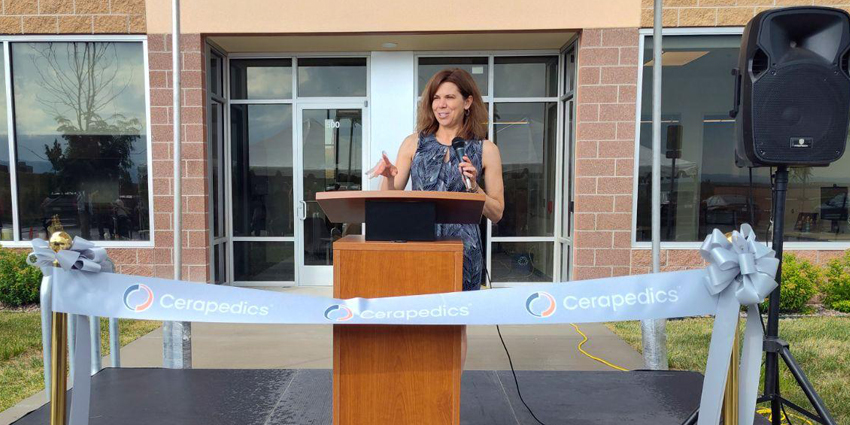
Cerapedics is at an inflection point. The lumbar clinical study of P-15 is fully enrolled, the FDA is evaluating a PMA approval, the company raised $25 million last year, and new CEO Schroeder announces a major expansion. What’s going on?

The state of supplying spine surgeons is changing. At Frank Phillips’ meeting, co-hosted by Alex Vaccaro and Todd Albert, supplier consolidation, innovative emerging technologies and more were vetted and debated. Here are the highlights of the 18th Annual State of Spine Surgery Think Tank.

Conformis has found a buyer…and it is restor3d, a five-year old North Carolina based leader in advanced additive manufacturing science and digital musculoskeletal solutions. What did restor3d see in Conformis? Big surprise—revenue growth and cash flow.
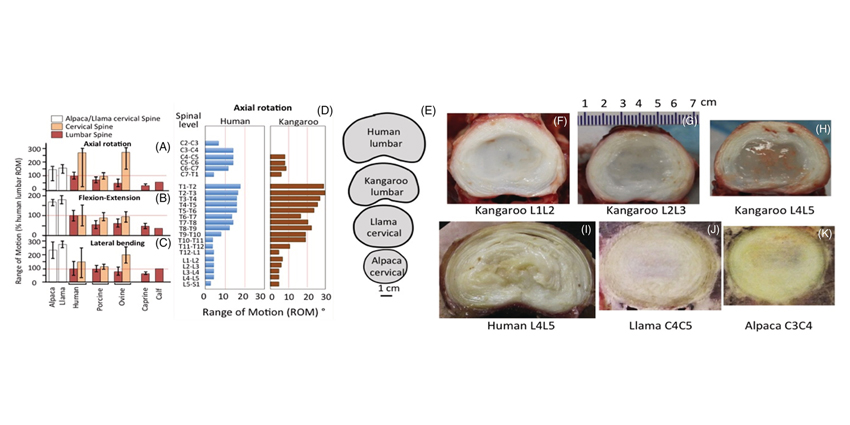
Australian study tackled the highly intriguing subject of applying AI algorithms to degenerative disc pathology.

Anika Therapeutics, Inc. is one step closer to FDA approval of its regenerative knee cartilage repair product.

Today, OSET stands as the preeminent orthopedic meeting of the year, second only to the venerable AAOS, boasting an esteemed faculty of over 300 speakers. What makes OSET so relevant and popular? We talked with its founder Kevin Plancher, M.D. to find out.

Conformis, Inc. was once worth nearly $500 million. Today, this pioneering software-based large joint reconstruction company is worth $8 million and is fighting for its survival. With a new product initiative and a couple bits of good news, can CEO Mark Augusti turn the corner? Here is the Conformis story, so far.
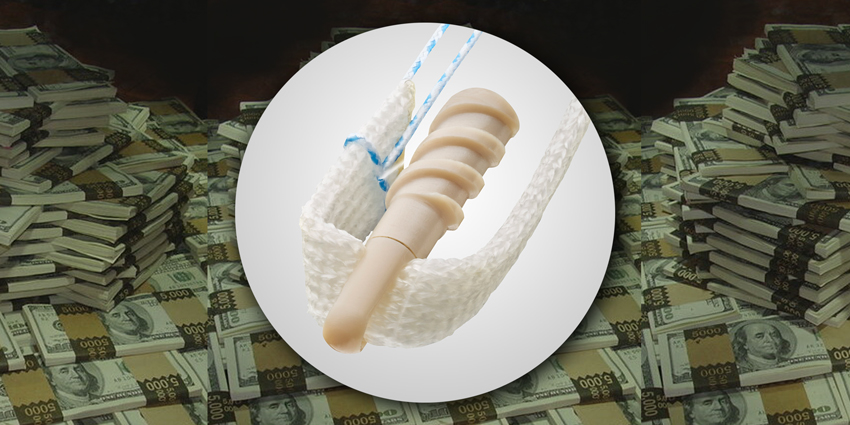
Artelon, Inc., closed a $20 million Series B funding round to expand commercial applications of Dynamic Matrix™.
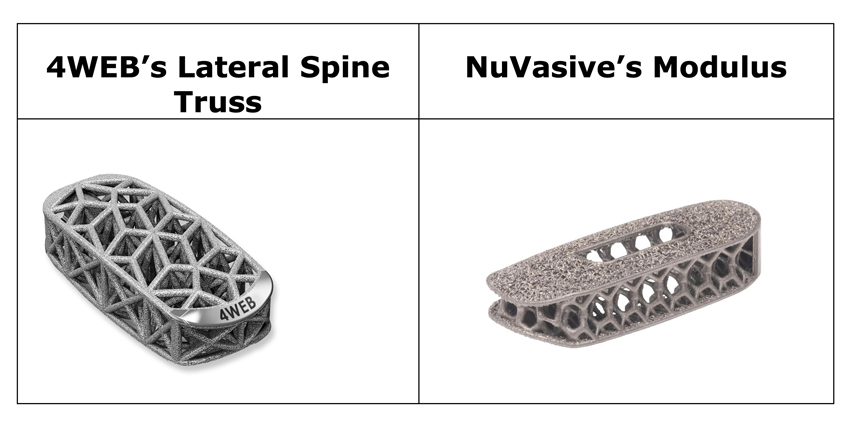
Yesterday, April 25, 2023, Texas-based spinal implant company, 4WEB Medical filed a lawsuit against soon to be acquired NuVasive, Inc. (NuVasive and Globus Medical, Inc. are merging), accusing the Carlsbad, California company of infringing several of its key patents relating to 3D printed spinal implant designs.

One spine meeting that consistently rises to the top is the Castellvi Spine Symposium, formerly known as the Preservation of Motion in the Spine meeting, at Hawks Cay Resort, Duck Key, Florida, in about four weeks (May 10 – 13). Why should you go? Let’s count the reasons.
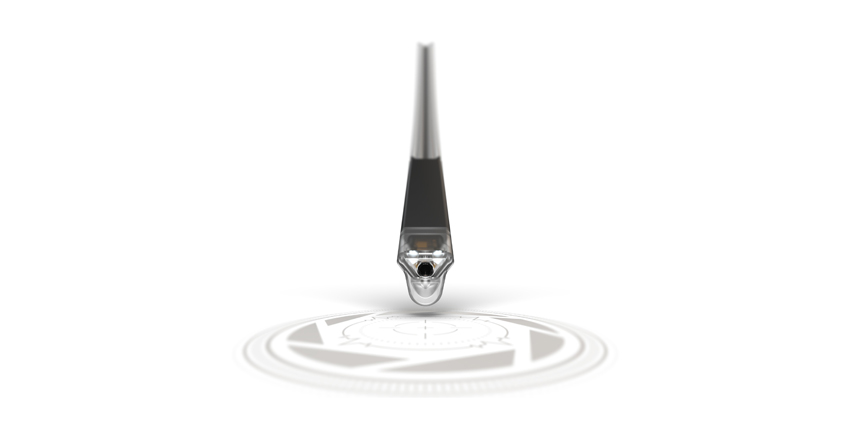
OTW had the opportunity to talk with DePuy Synthes Spine’s worldwide president about a truly remarkable new product for MIS-TLIF. Among its unique features, a micro-camera that sits at the distal end of the MIS port. Fewer trays, better ergonomics and more. Curious? We were too. Here’s the interview.

For 2022, we are excited and honored to present the Best New Technologies for Spinal Surgery. A record number of worthy new technologies were submitted and here are the best of the best.
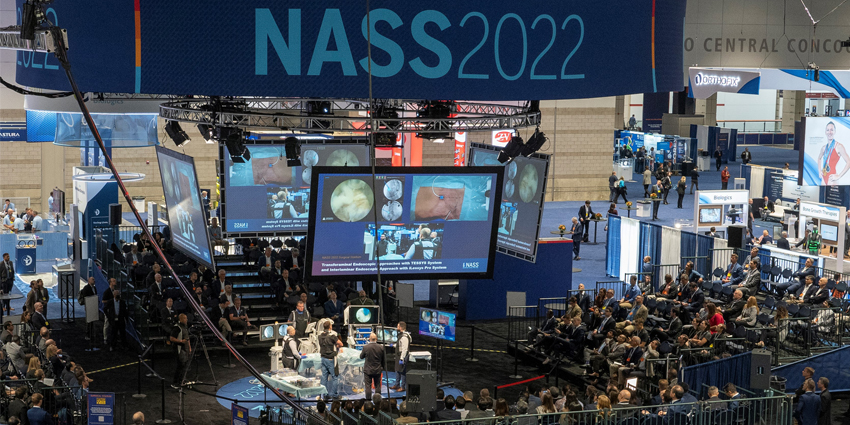
NASS redesigns Surgical Stadium, smack in the middle of the exhibit hall.
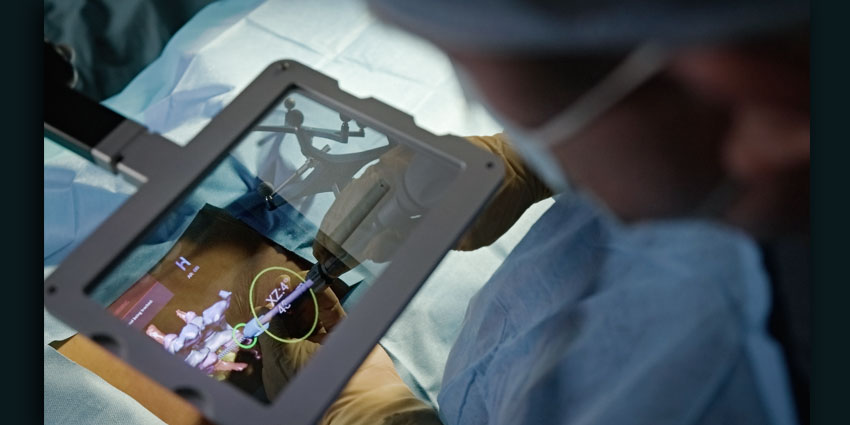
One California company plans to unveil the most advanced portfolio of neural networking based AI tools for spine surgery at NASS in October. Here’s who they are and a preview of what they have in store.

If 2020 was the “lost” year, and 2021 was the recovery year, then is 2022 back to “normal”? Here is the mid-year ortho financial report card.
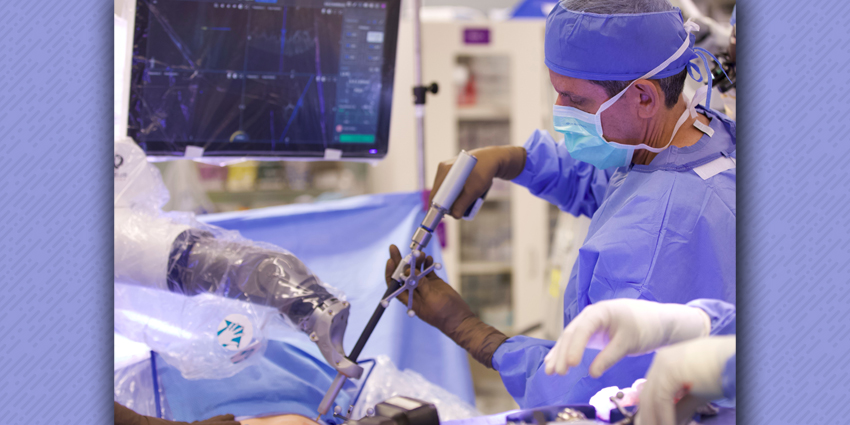
Four years ago, we asked an early robotics adopter to explain why his institution made this consequential investment. Now we asked him if it was worth it, how much does he use robotics and what’s new technologically. Here’s what we learned.

At 88 years old, Dr. Arthur Steffee, one of the pioneers of modern spine surgery, lives on a bucolic mountain top in a historic corner of Pennsylvania. It’s been a remarkable journey to this mountain top—which he remodeled, naturally.
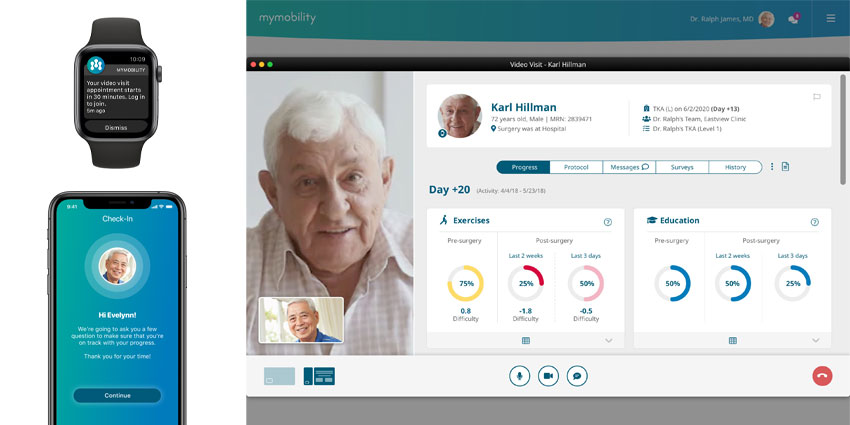
Zimmer Biomet’s commitment to AI, ML, and data is transformative. What does it mean for patients and their caregivers? OTW asked ZB’s top execs. Their answers were enlightening and inspiring.
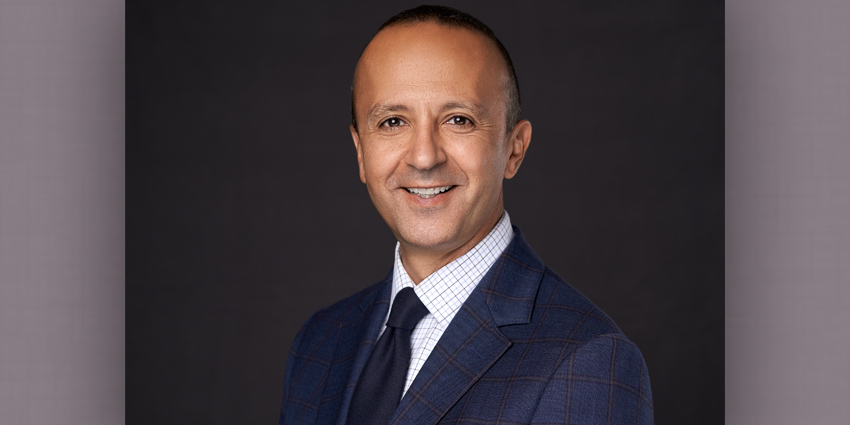
Zimvie, Inc., the spine and dental spin-off from Zimmer Biomet, is a global supplier with a bit over 2,700 employees. Its stock trades on NASDAQ. Read our interview with new CEO Vafa Jamali to see his plans for the future.
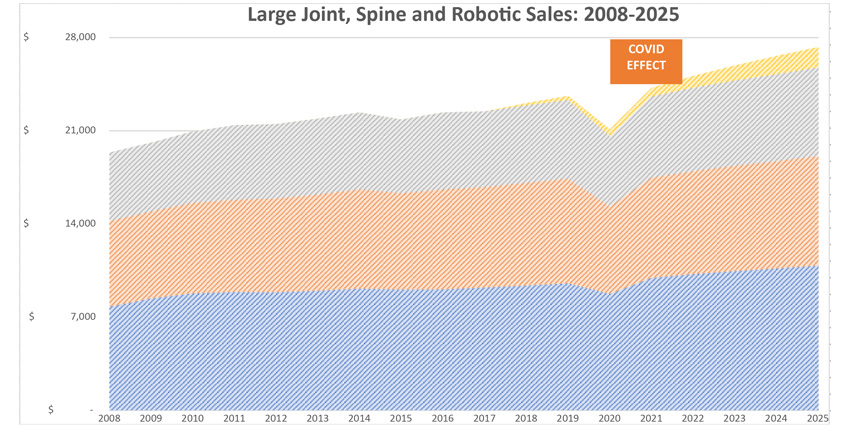
Review of 2021 orthopedic and spine industry sales, by company, forecast for hip, knee, spine and robotic assist products to 2025 and an analysis of 17 years of orthopedic and spine sales trends. For subscribers, access to the entire dataset is available.
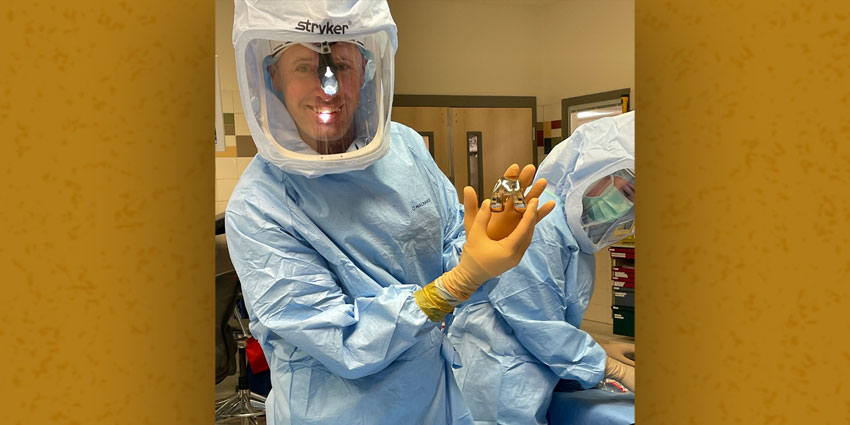
A promising alternative to Cobalt Chrome is being formally introduced at AAOS on Thursday, March 24th, 1:30pm in the Academy Innovation Theater at Chicago’s McCormick Center. The new material is Aurum® and it is positioned as a substitute for cobalt chrome in knee implants. A must attend event for all total joint surgeons.

On this eve of the American Academy of Orthopaedic Surgeons’ annual meeting in Chicago, where there will be a plethora of digital technologies on display, we ask the question: what is the outlook for digital technology in orthopedics? Eric Timko, CEO of OrthAlign and Eric Schmidt, former CEO of Google give their predictions.

The 4th annual Physician Transactions Conference will be held on March 24 at the University Club in Chicago.
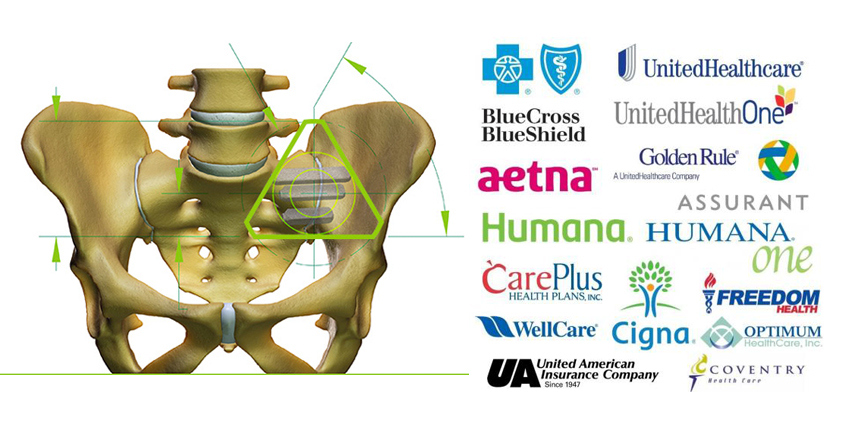
In what other orthopedic or spinal implant sector does one company enjoy “most favored nation” status among payers? How is that possible? This is the remarkable story of SI-BONE and iFuse.
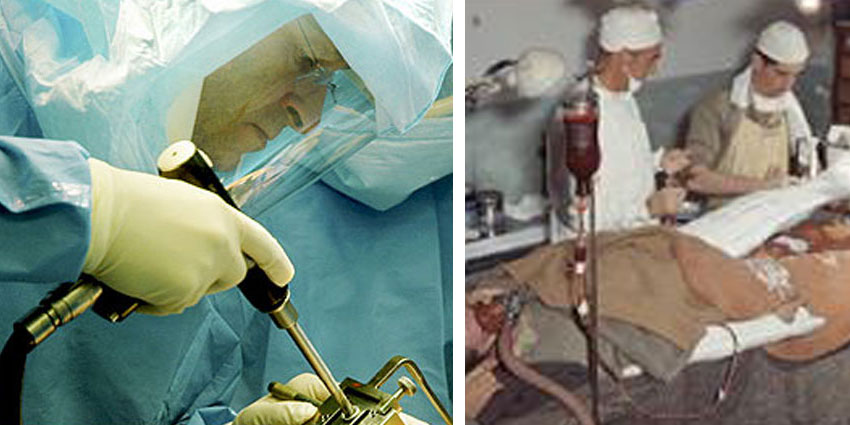
This installment of the History of Modern Spine Surgery tells the story of the Cleveland Research Institute which launched, in many respects, the modern era of spine surgery. The story begins with Sir John Charnley…
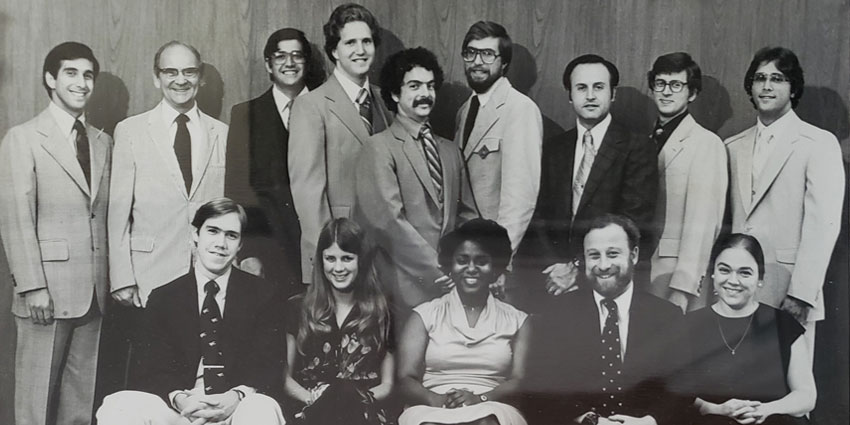
In 1980s Cleveland, at a hospital named Charity, a remarkable group of engineers, surgeons and staff incubated the start of modern spine surgery. Here is Part II of the story of A. Seth Greenwald, Art Steffee, Frank Janson, Jim Moran, Jack Geiger, Terry Stahurski and the entire Cleveland Research Institute staff.

LD Beard, E. Ron Pickard, Alan Olsen, Rick Treharne, Alex Lukianov, Mike Sherman. You can count on two hands the Memphis based group of exceptional managers and engineers who did more than anyone to create the business of modern spine surgery. This is their remarkable story: Part I.
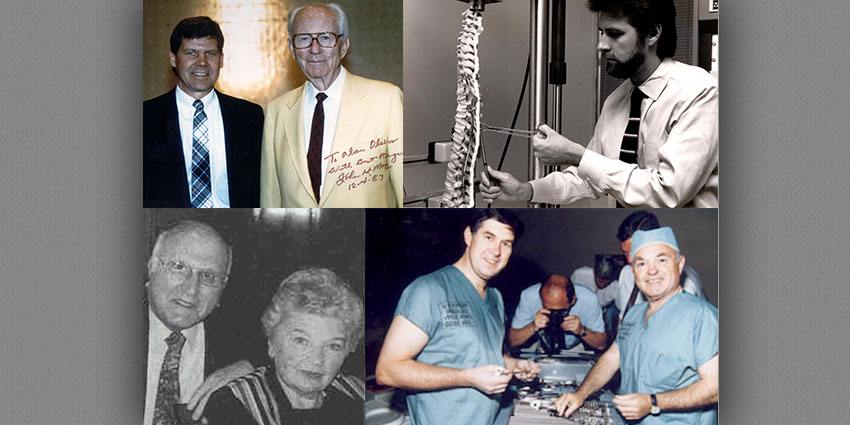
Yves Cotrel, Klaus Zielke, John Moe, Julius Falcon, Rich Ashman, Texas Scottish Rite, Alan Olsen, Eduardo Luque and other pioneering surgeons, engineers and businesspeople cobble together the basic scientific, engineering and business foundation for modern spine surgery.

Danek commercializes the TSRH system, struggles with cash flow, staffs up significantly, goes public and buys the French manufacturer Sofamor to become the #1 spinal implant company in the world.

Here is the heretofore untold story of the first commercial bone morphogenic protein, the first musculoskeletal surgical navigation system and how Medtronic came to buy Sofamor Danek for a record (at the time) $3.7 billion.

The biggest lawsuit in the history of modern spine surgery almost bankrupted spine societies, spine surgeons, and the young companies that were just getting started. This is the amazing and true story of the 1990s pedicle screw litigation firestorm.

Every spine surgeon owes their practice to a team of lawyers from the 1990s. This unheralded group, led by Steven Phillips, defended the biggest lawsuit in spine history. A mass tort that engulfed every surgeon society, thousands of individual surgeons, and every manufacturer. Here’s the never before told inside story.

Who was John Charnley? Visionary surgeon, part-time engineer—yes, for sure. But also of a bygone era and, therefore, poorly suited for the revolution he unleashed. Here is the complicated story of Sir John Charnley as told in the book: “As Far North as Memphis” by Professor Charles Crawford of the University of Memphis and James Bradley.
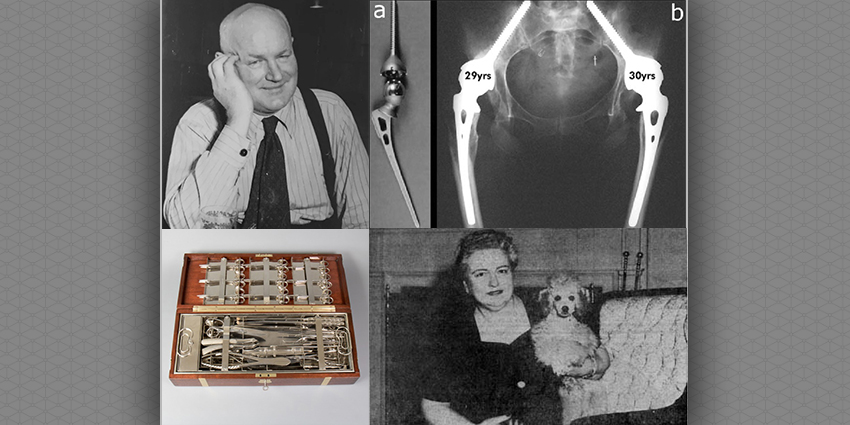
The Downs Brothers, The Exeter Hip, Frank Saemann, J. Keaton Landis and Amrette Hoopes (President of DePuy). These were among the key players in orthopaedics in the 1960s and 1970s—a time if accelerating growth and innovation. This is truly the untold story of Orthopaedics.

Before the FDA, when hip implants were a revolutionary concept and orthopedics were soft goods and trauma products, the systems and structure that define modern orthopedic device manufacturing did not exist. One man, above all others, is responsible for creating the modern orthopedic device management system. Here is his story, Part I.

Is the private practice model still viable? M2 Orthopedic Partners, the brainchild of Michael Meneghini MD and Marshall Maran, nurtures what is valuable about the independent clinic while ALSO providing the capital, systems, and research to help it thrive. A new approach worth checking out.
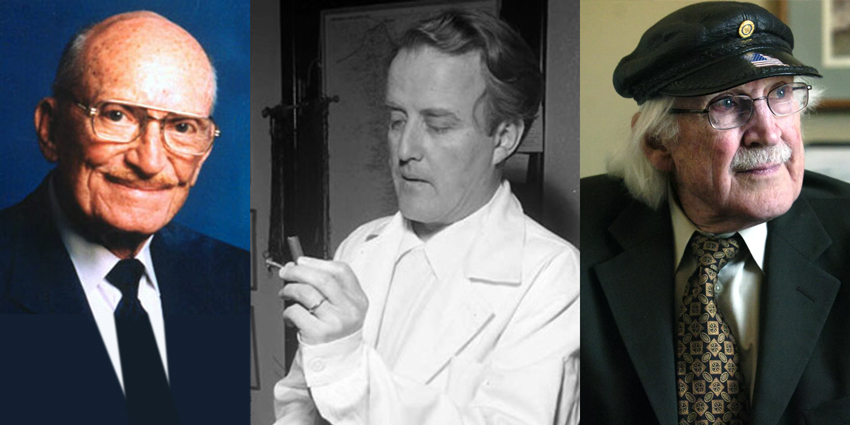
Interbody fusion is the bread and butter of Modern Spine Surgery…today. But getting from Robert Cloward’s seminal concept of the PLIF in 1953 to where modern spine surgery is today, required inventing Fernstrom’s Ball and Bagby’s Basket. Truly an amazing journey.

This is Part II of the remarkable history of the development of the interbody spinal implant—which started with the BAK cage, Spine-Tech and a groundbreaking FDA approved clinical study engineered by Rich Jansen, Cindy Ulstrom and Stephen Kuslich.

Anika, which celebrates its 30th anniversary next year, added a new CEO, two strategic acquisitions and re-positioned itself as a “Joint Preservation” (not replacement) company. Meet the new Anika and its CEO Cheryl Blanchard, Ph.D.

Reuters is reporting that Audubon, Pennsylvania based Globus Medical, Inc. is in preliminary discussions to acquire Carlsbad, California based NuVasive, Inc.
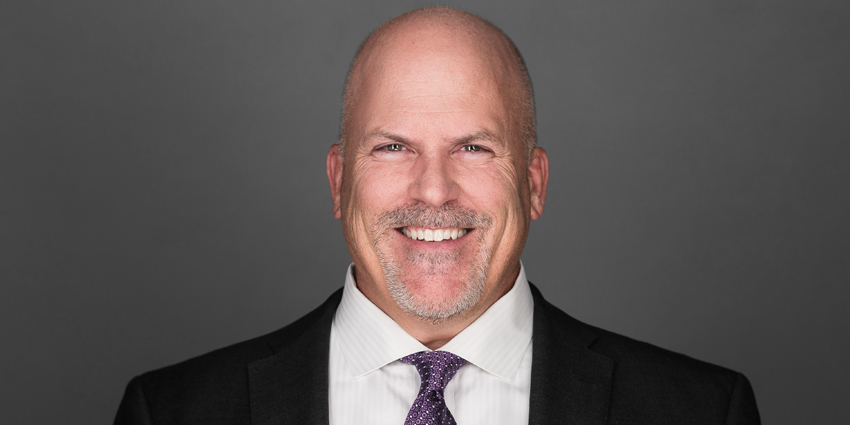
Tim Scannell, Stryker’s former President and Chief Operating Officer, is retiring. From All-American football captain at Notre Dame, to the Secret Service to the executive suite at one of the world’s foremost corporations, Tim Scannell has had a remarkable career. Here is his story.

An august panel of senior spine and neurosurgeons sifted through a record number of submissions to find best new technologies for spine surgeons for 2021. And the BEST new spine care technologies for 2021 are…
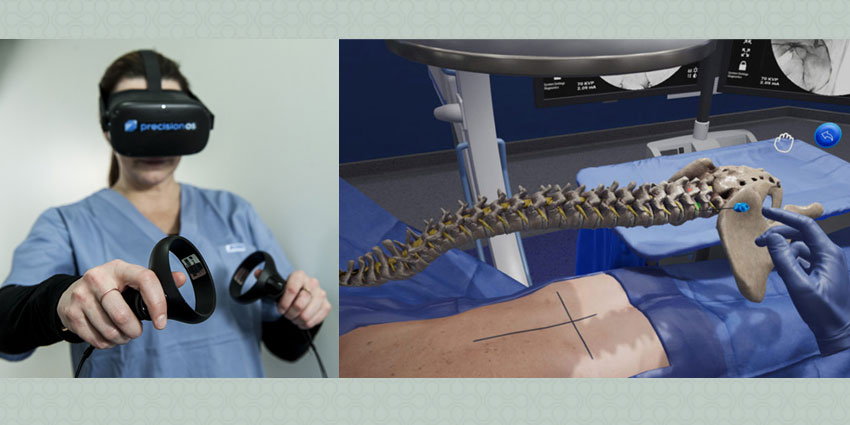
Four powerful “Age of Information” trends seem poised to transform patient interventions up and down the continuum of care, upend business models and redefine product design. Here are 10 ways these new technologies will transform your practice and your business.
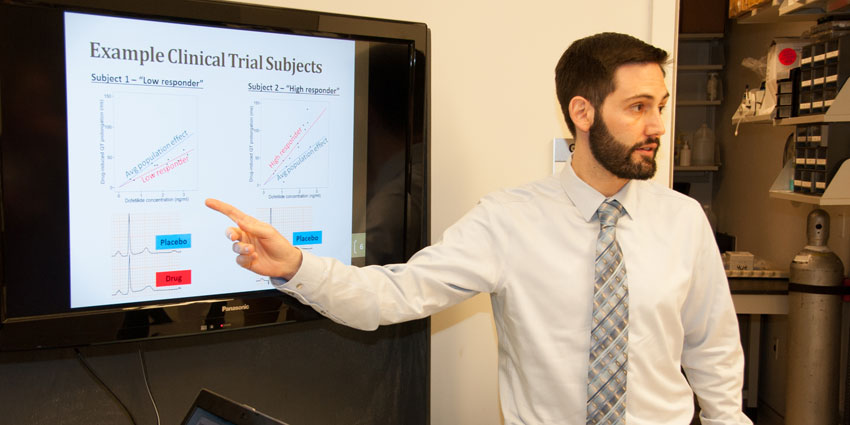
The FDA requires orthopedic companies to conduct longer studies, enroll more patients and wait more than two years longer for an FDA PMA decision than the average of ALL other specialties. Why? Here are the details.
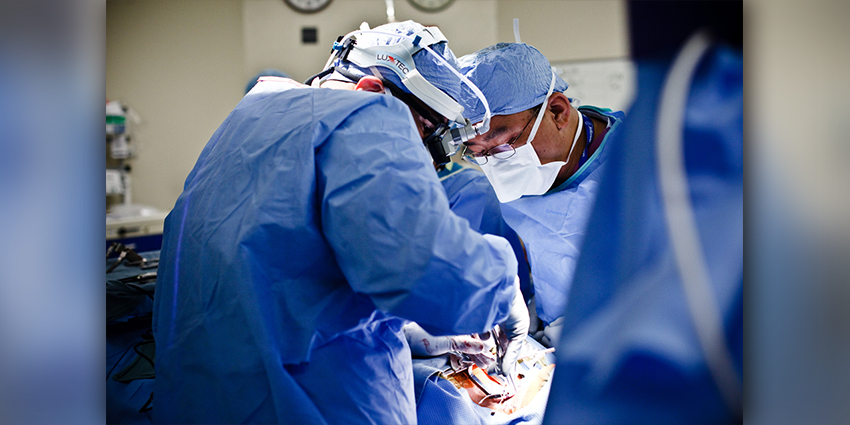
Spine is evolving before our eyes. Who and which companies are this $10 billion industry’s change agents? Here’s a partial list and a forecast. Welcome to the second of 3 Spine Special Editions of Orthopedics This Week in 2021.
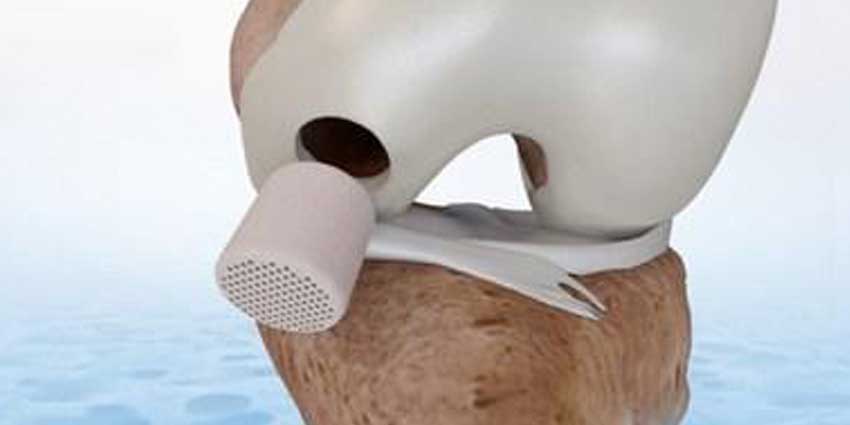
Landmark cartilage repair study’s final results show clear superiority for Agili-C as a treatment for painful arthritic knees. Study was part of an FDA approved IDE. More than 250 patients were enrolled. Strong, important study.

Flexion Therapeutics is one of the significant innovator in Pain Management—see what they have to say.
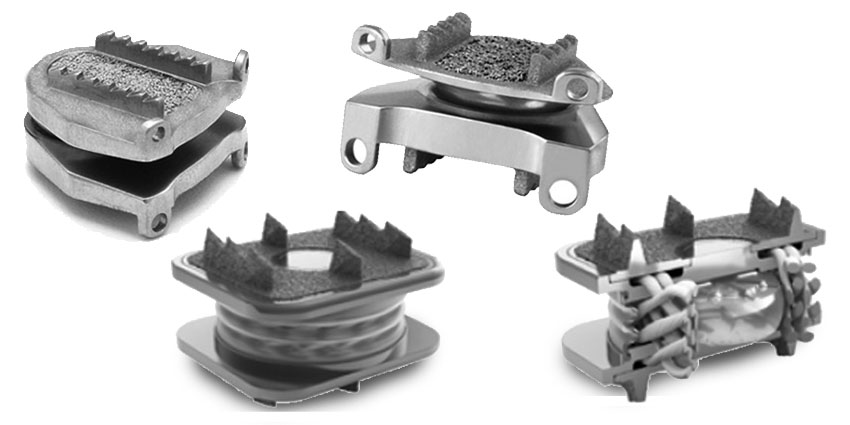
At the recently concluded International Society for the Advancement of Spine Surgery (ISASS) annual meeting one of the speakers, Dr. Scott Blumenthal from the Texas Back Institute (TBI), presented evidence of late cervical disc arthroplasty failure due to infection and osteolysis.
Spine is evolving before our eyes. Who and which companies are this $10 billion industry’s change agents? Here’s a partial list and a forecast. Welcome to the first of 3 Spine Special Editions of Orthopedics This Week in 2021.
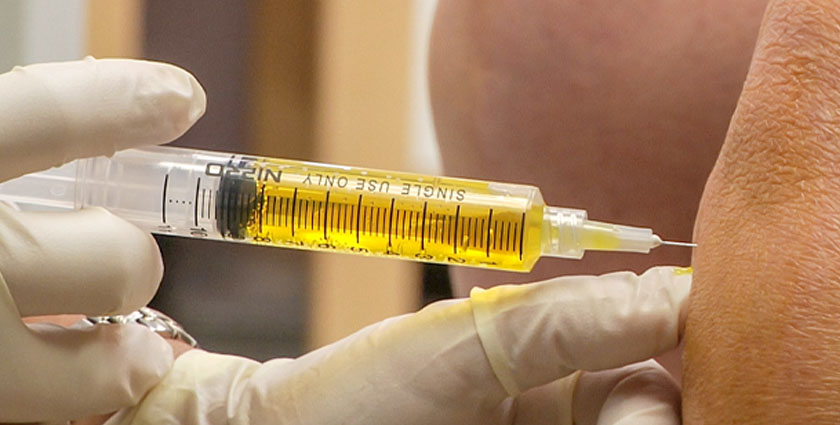
How consistently and effectively do regenerative treatments work? Here’s the first substantive registry report with important answers.
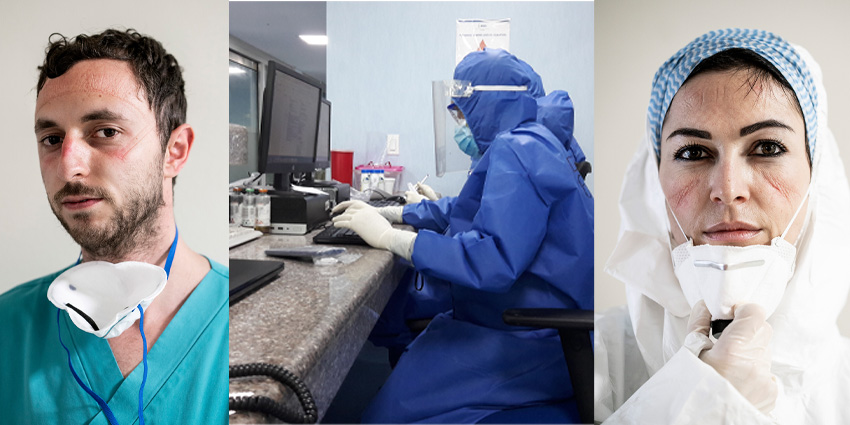
How are hospitals doing? Not so well. Profits are down and cash flow sucks—which has a direct impact on orthopedic product sales and pricing.

Zimmer Biomet announced its intention to spin-off its spine and dental businesses into a new public company.

King David high school in Linksfield, South Africa, in the 1970s became a hothouse for internationally renowned surgeons, medical engineers and CEOs of major international companies. Who are these boys and girls and why did this high school in a remote corner of the world create such people?

An august panel of senior spine and neurosurgeons sifted through a record number of submissions to find the best new technologies for spine surgeons for 2020. And the BEST new spine care technologies for 2020 are…

Winners of the 2020 OTW Spine Technology Awards to be presented via a virtual GALA on November 19.

Mr. Farhat’s tenure in orthopedics was not long. Just 3 years. Yet, his effect on one company, RTI Surgical…

When I think of Dr. Steffee, I think of three attributes—love, perseverance, and a sparkle in the eye.

OTW Virtual Conventions announces FORE and ICJR virtual meetings for fall 2020.

Camille Farhat announces he is leaving RTI Surgical after three years as CEO.

Orthopedic surgeon, Dr. Gurdev Purewal, remembered for his more than 40 years service.

OTW adds two new senior management for RRY Publications and OTW Virtual Conventions.
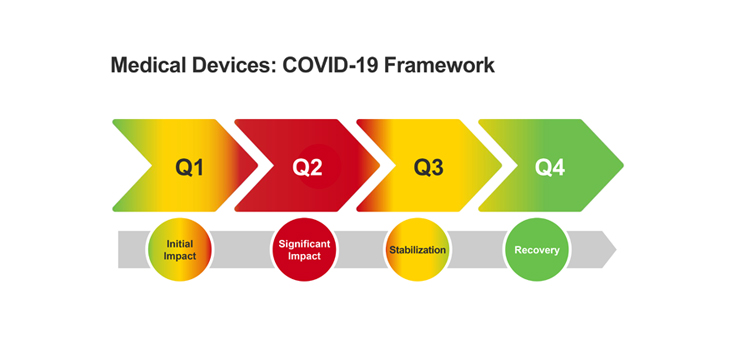
Johnson & Johnson (JNJ), the largest medical company in the world, announced sales and earnings results for the first three months of 2020 this week and, as part of that announcement, provided a detailed analysis and outlook for the remainder of the year, in particular, the effect of COVID-19 on sales of all JNJ products. […]

Mark Reiley, the creative dynamo behind Kyphon, Archus, Reiley Orthopedics, IN-BONE, SI-BONE and Reiley Pharmaceuticals and several hundred patents is also the artist behind more than 400 gallery-quality works of art. Who is Mark Reiley and where did this creative explosion come from?
Top U.S. Orthopedic Symposium now online: Register Here With faculty from Harvard, OrthoCarolina, Duke University, University of Texas at Houston and University of Utah, the Park City Hip and Knee Foundation is one of the best, intimate orthopedic physician meetings in the U.S. and it summer symposium was a must-attend in beautiful Park City, Utah. […]
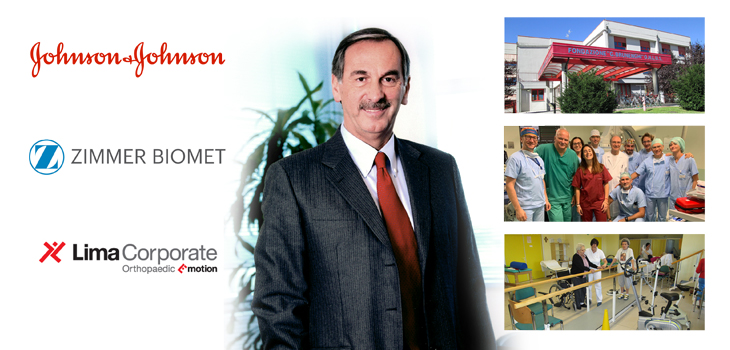
The global orthopedic community is mourning the passing of Dr. Melzi, 72 years old.

Most hip, knee, spine and extremity surgeries are being delayed one, two, three or more months in order to create bed space for the hundreds of thousands of expected COVID-19 patients. How bad will it be? Here are the initial orthopedic procedure volume forecasts—which will certainly change several times as this year progresses.

Lynn Peterson, who, in our opinion, is one of the best reporters in medicine today, continues to come up with the best, most authoritative information about the rapidly accelerating SARS-CoV-2 virus and the disease it causes, COVID-19 (aka: coronavirus). We won’t tell you everything Lynn wrote. It is available from her publication, Trends-in-Medicine[1]. But here […]

On Friday, March 13, the American College of Surgeons (ACS) recommended that every U.S. hospital, health system and surgeon “minimize, postpone or cancel electively scheduled operations, endoscopies or other invasive procedures.” The daily trajectory of COVID-19 cases is likely, according to the ACS, to put an enormous strain on U.S. hospitals for beds, respirators and […]

Lynn Peterson, who, in our opinion, is one of the best reporters in medicine today, just wrote an outstanding overview of the information available from China, CDC and others regarding COVID-19 (aka: coronavirus). Peterson attended the virtual Conference on Retroviruses and Opportunistic Infections (CROI). Of course, the conference was all about Covid-19. We won’t tell […]

Montagu, the former HSBC Private Equity firm, a London-based $6 billion fund, purchased 60% of RTI surgical—its OEM business—for $490 million. The interesting part is the RTI’s market value was only $200 million—for the whole company—the day before this announcement. Stunning! Here are the details.

An independent adjudication committee has looked at the Agili-C interim study data and told the sponsor, CartiHeal, that based on the data so far, the predictive probability of trial success with the current sample size was greater than 95%, and as such enrollment can stop. That’s good news for this landmark knee arthritis study.

Hip waders on, we went slogging in the muck and mire of drug pricing. A November 25, 2019 study in Neurology titled, “Qualitative Study on the Prices of Drugs for Multiple Sclerosis: Gaming the System” by authors Daniel M. Hartung, Lindsey Alley, Kirbee Johnston and Dennis Bourdette, all with the Oregon Health and Science University […]
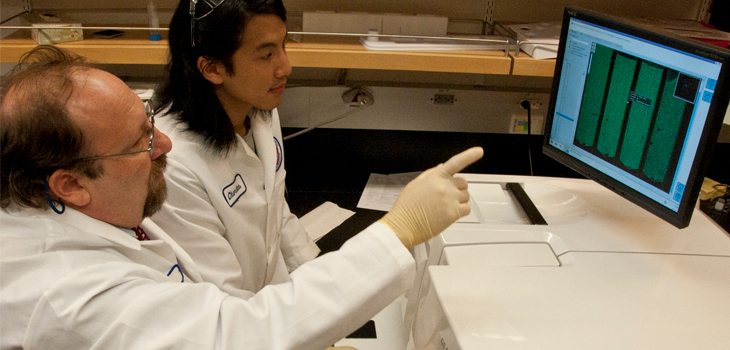
In their 2012 PLOS Genetics paper, “Comparison of Family History and SNPs for Predicting Risk in Complex Disease”, authors Do, Hinds and Francke predicted the lifetime morbidity risk and heritability of liability risk for 24 diseases. Number 1 on the list was coronary artery disease with a 40% lifetime morbidity risk and a 49% heritability […]

Would our treatment for osteoarthritis (OA) change if we addressed aging as a disease—complete with diagnostic and treatment reimbursement codes? Two professors, Richard Faragher, Professor of Biogerontology at the University of Brighton and Stuart Calimport, Honorary Fellow at the University of Liverpool and the Imperial College of London, raised that provocative point in their article […]
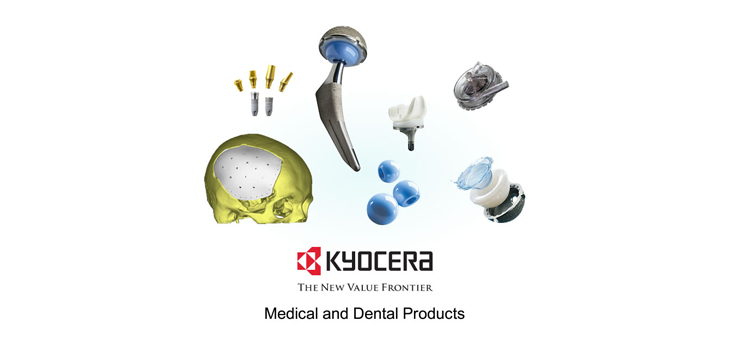
Here comes Kyocera, one of Japan’s leading orthopedic implant suppliers. Most U.S. surgeons are unaware of Kyocera’s material science reputation and medical products. We didn’t know either. So, we visited this global material sciences company and were amazed. We think U.S. surgeons are in for a real treat in 2020. Here comes Kyocera into the U.S. market with a portfolio of interesting new spine, large joint, extremity and trauma implants.
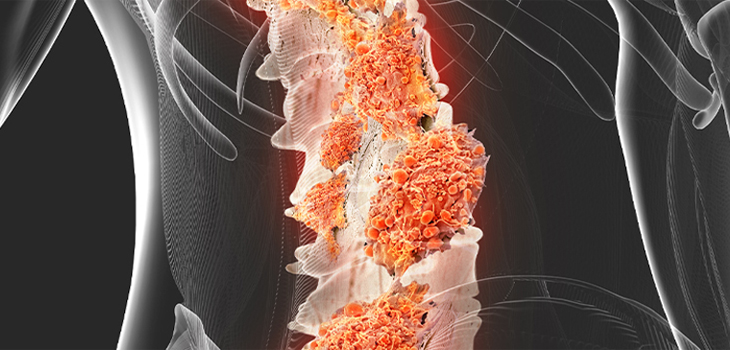
$1 billion for a cell-based pain therapy for chronic discogenic back pain. The therapy, MPC-06-ID, from Mesoblast, is 6 months away from releasing Phase 3 clinical study data. The Phase 2 study showed that this injection relieved, in a statistically significant way, patient’s back pain for 36-months. Could this be a disruptive back pain therapy? One company obviously thinks so. Here are the details.

Like a recurring nightmare, could the 2.3% medical device tax actually return in 2020? It’s been seven years since the tax was instituted. It was suspended from 2016 to 2019 but, unless Congress acts, it returns on January 1, 2020. MDMA, AdvaMed and MITA are on the job and sent a letter to Congressional leaders urging them to repeal the tax. What to expect? We have some answers.

AMA President Patrice A. Harris, M.D., M.A. raised the issue of science and evidence quality and its effect on trust between patient and physician. This is not the first time that the science and evidence bell has been rung. But rarely has these issues been so eloquently articulated. This is a must read.

Dr. George was Chief of Pediatric Neurosurgery and President of Dell Children’s Medical Group.
Dr. Timothy George, 59, Chief of Pediatric Neurosurgery, President of Dell Children’s Medical Group, mentor to dozens of his neurosurgery colleagues, published author re Chiari malformation, cranial nerve stimulation for pediatric epilepsy, genomics of neural tube defects, and other current neurosurgery topics, died suddenly this past week. Our community has lost one of its most distinguished members.

AAOS’ anger and astonishment at the new Center for Medicaid and Medicare Service (CMS) rule removing the Inpatient Only (IPO) designation for total hip arthroplasty was apparent in President Weber’s public rebuke of CMS. What’s going on and how will this affect your income? Read the details here.
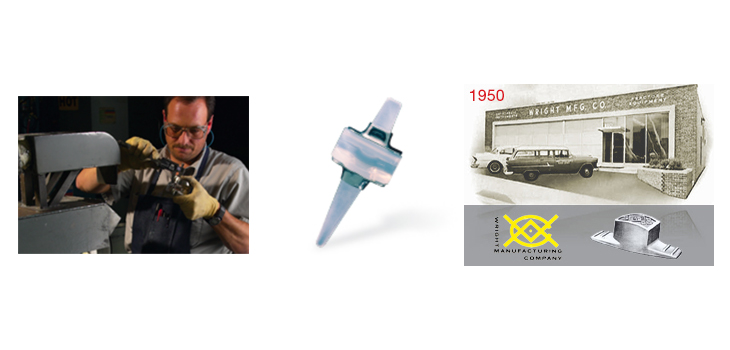
One of the pioneering orthopedic suppliers, 69-year old Wright Medical, is being bought by Stryker Corporation for $5.4 billion. When this deal closes, it will mark the end of a singularly unique and historically important supplier of implants and instruments to the orthopedic industry. Here are the details about the deal, but also a look back at the amazing story of Wright Manufacturing.
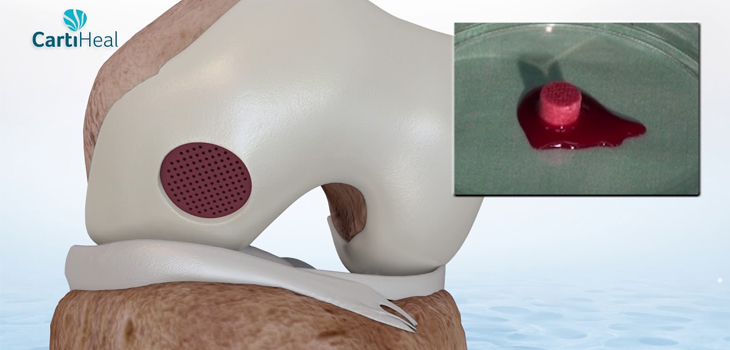
The landmark Agili-C cartilage repair study is nearing full enrollment. Two hundred forty-one patients, or 96% of the target number, have been enrolled. The latest site to enroll is Peninsula Orthopaedic Clinic in Maryland. Why is the Agili-C study such an ambitious and potentially historic study? And why are JNJ, Bioventus and the cream of the VC community invested? Read on.

An august panel of senior spine and neurosurgeons sifted through a record number of submissions to find best new technologies for spine surgeons for 2019. Notably, low radiation imaging systems attracted high marks from our judges this year, as did some devices with artificially imbued ‘intelligence.’ To see what we mean, check out this year’s Best Technologies in Spine.

What’s the biggest controversy in orthopedics? NASS’ retiring president says lack of evidence for non-BMP biologics. Physicians, he says, have an ethical duty to demand evidence of these new products. We agree. But more importantly, so do the regulators. Time to get on board.

Wall Street attended this past week’s annual meeting of the North American Spine Society. Their takeaway was uniformly positive—despite otherwise slow sales growth and continuing pricing pressure. What did they like and how did they assess the march of robotics and integrated imaging into the OR? Here are the details.
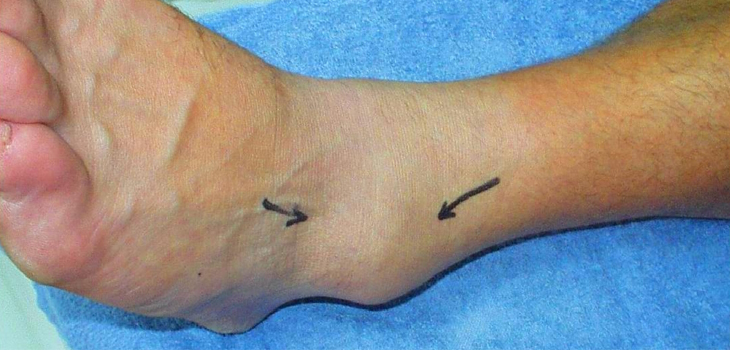
One simple, near universal injury—the ankle sprain—is the cause of more chronic musculoskeletal conditions than almost any other injury. For that reason, the Journal of Athletic Training has issued a sequel to its landmark 2002 ankle issue. Jay Hertel, PhD, ATC, FNATA, FACSM, Editor-in-Chief of the Journal of Athletic Training (JAT) and the Joe H. […]
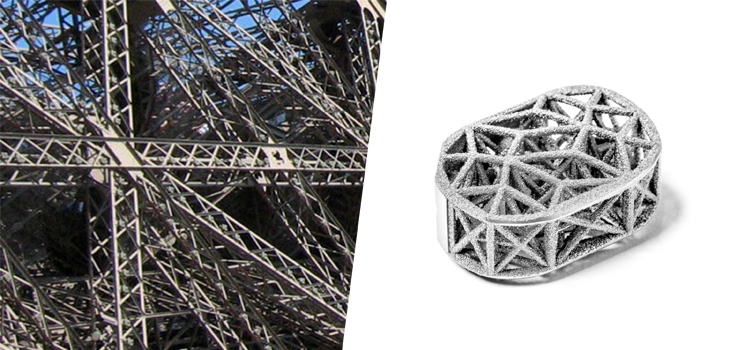
Everything old is new again. Case in point: Wolff’s Law. A new generation of spine implants with novel, 3D-printed structural designs appear to be bioactive implants as well. Specifically, they appear to be putting Wolff’s Law into action via mechanobiology. What’s going on here? We check in with one of the top suppliers, 4WEB Medical, and Rothman Institute’s Kris Radcliff for answers.

Despite all the rancor coming out of Washington, the wheels of government keep cranking along. Over the past month 4 key developments caught our attention which, we think, should catch yours too. They affect pricing, reimbursement and funding for R&D. Here they are.
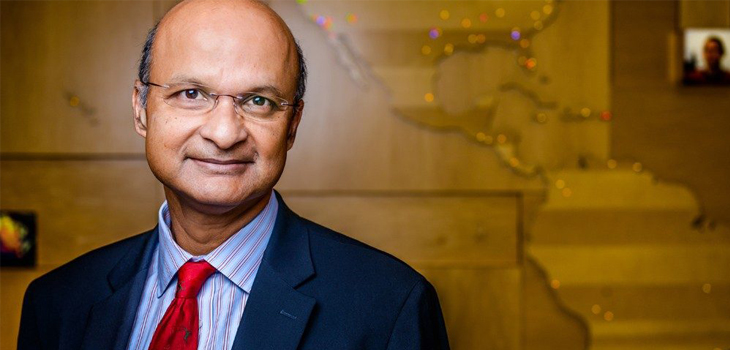
Medtronic’s CEOs Omar Ishrak’s announced retirement represents a notable milestone in the company’s history. Aside from Earl Bakken or Art Collins, Omar Ishrak will be remembered as the most transformative leader in Medtronic’s history. Why? We explain. Further, his influence may not end when he retires in 2020.

Every major supplier of hip or knee implants has reported sales for the first half of 2019. Picking through the numbers, one clear trend is emerging. Navigation and robotics is now a serious driver of market share gains. And the leader in recon is Stryker. Here are the details.
A new company, Molecular Surface Technologies (MST), has been formed to develop and commercialize a novel series of technologies for reducing periprosthetic infections…and much more. The new company is based in New Brunswick, New Jersey, and was founded by Gordon D. Donald, M.D., an orthopedic spine specialist with the New Jersey Ortho Group in Red […]
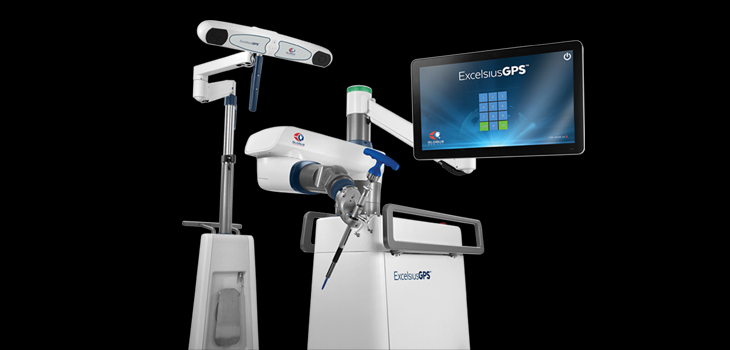
What happens after the robot purchase honeymoon? What strengths or weaknesses do these systems reveal in day-to-day use? A neurosurgeon in Texas and an orthopedic spine surgeon in Washington – who both used Mazor and Excelsius – gave OTW their candid assessments. It’s a MUST read.

Two pioneers of the surgical navigation and robotics revolution who sold their companies for massive amounts of money are launching next generation navigation and spatial computing platforms. (What’s that?) Prepare to be amazed.
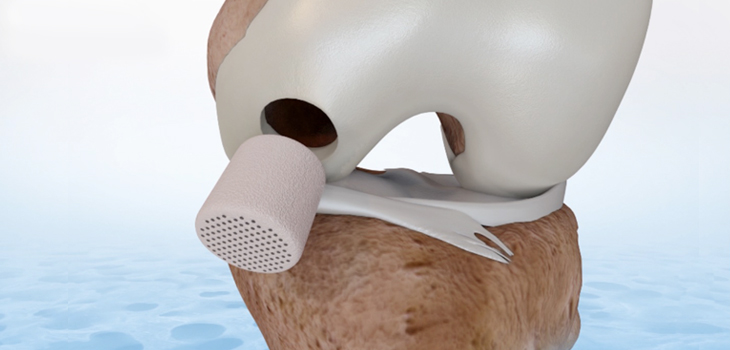
After 25 years—since Carticel was commercialized—the promise of cartilage repair has fallen well short of hope and expectations. That appears to be changing. A remarkable, even paradigm shifting cartilage repair study is underway and the buzz it is creating is palpable. Here it is.
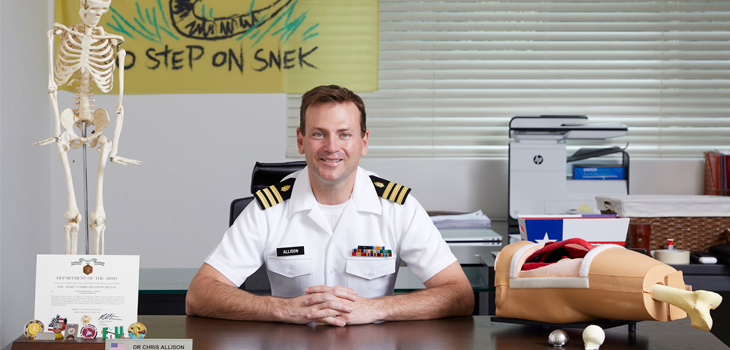
As Memorial Day approaches, Cedars Sinai orthopedic surgeon Daniel C. Allison, M.D., finds himself thinking about his recent deployment as a Navy reservist physician in northern Iraq. It was his second day of deployment when Allison got a taste of the reality of war. An explosion rocked the field hospital where Allison, 43, was serving, […]

This week we reveal the philosophies, personalities and, yes, ingredients of the VB success and ponder where the brothers go from here. It’s been 20 eventful years that ultimately transformed and elevated the business of orthopedics. What’s next?

Artificial Intelligence (AI) is inescapably weaving its way into our personal lives. Think Siri, Alexa, Tesla, Amazon or Netflix. Based on what we learned at a recent Boston AI conference, AI will inevitably transform orthopedic care. Are we ready? Are our patients ready? We have some answers and predictions.

Twenty years ago, three brothers started a firm that would transform and elevate the business and practice of treating musculoskeletal disorders. On the occasion of their 20th anniversary, we profile Tony, Marc and John—three extraordinary investors, managers, partners, friends and mentors.

Why is Facebook blocking Harvard’s landmark study linking smoking to arthritis? Orthopedics This Week posts a number of its articles on Facebook, Twitter, Instagram and LinkedIn each week. Only one of these social media giants has accused us of using inappropriate images (like surgeries) and subjects (like pain management) in its postings. Facebook. Including, it […]
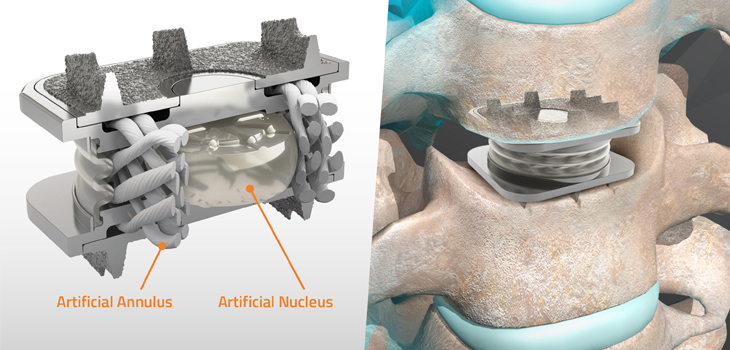
After 45,000 implants outside the United States and 16 years of hard work, the elegantly designed M6 Artificial Cervical disc has been approved for sale in the US. Study outcomes: 91% of the M6 patients reported relief from arm and neck pain versus 80% or fewer of control (ACDF) patients.
The largest independent education meeting dedicated solely to joint arthroplasty – Dr. A. Seth Greenwald’s CCJR – is being purchased by the Knee Society and The Hip Society in partnership. Essentially, CCJR’s faculty is buying Dr. Greenwald’s meeting. And ensuring that this exceptional course remains independent, objective and always relevant.

Do patients blame your practice for the actions of a 3rd-party credit card provider or collections partners? It happens more than you may realize. Medical financiers and credit card issuers are common ancillary service. But they treat your patients differently than you do. Here’s a new company that may have a solution.
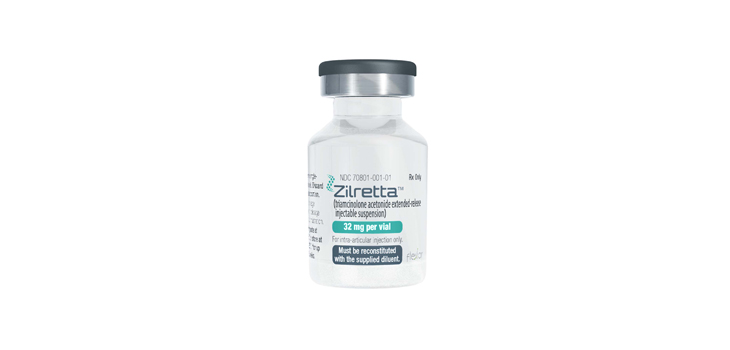
In all candor, we don’t understand why every orthopedic, sports medicine or pain physician hasn’t already switched to an extended release corticosteroid—particularly now that Centers for Medicare and Medicaid Services (CMS) issued a reimbursement code and new clinical data indicates that it may also be used with diabetic patients and, if the FDA agrees, may […]

Slamming the door on predatory medical journals has been the purview of the Federal Trade Commission and individual editors and researchers. Now the NIH is stepping up. In this article we details NIH’s efforts and talk about why predatory journals have gained a foothold in the research community.

A new JBJS study found 225 possibly predatory orthopedics journals. Predatory journals are defined as open access publications that intentionally and calculatingly mislead orthopedic researchers and charge authors a fee to publish their work. Since 2010 the number of these “journals” has exploded. Forewarned is forearmed. Here are the details.

Eight years old is not exactly new, but this particularly noteworthy educational conference could well be a new meeting for you. It’s called The Orthopedic Summit Evolving Technologies or OSET and the founder is Kevin Plancher, M.D., FAAD of Plancher Orthopaedics & Sports Medicinein New York City. For 2018, the conference is at the Bellagio in […]

RTI Surgical has agreed to buy Paradigm Spine for up to $300 million. But this is much more than a simple purchase. It brings together two notably successful and strategic players in the spinal implant industry. Peeling back the layers of this deal reveals a rapidly transforming, impactful growth company.

To tackle the issues surrounding stem cells, PRP and other biologic therapies, the AAOS convened a special NIH U13 symposium at Stanford University this past February. The resulting symposium report is essential reading for ALL physicians interested in ‘stem cells’, PRP and other biologic therapies.
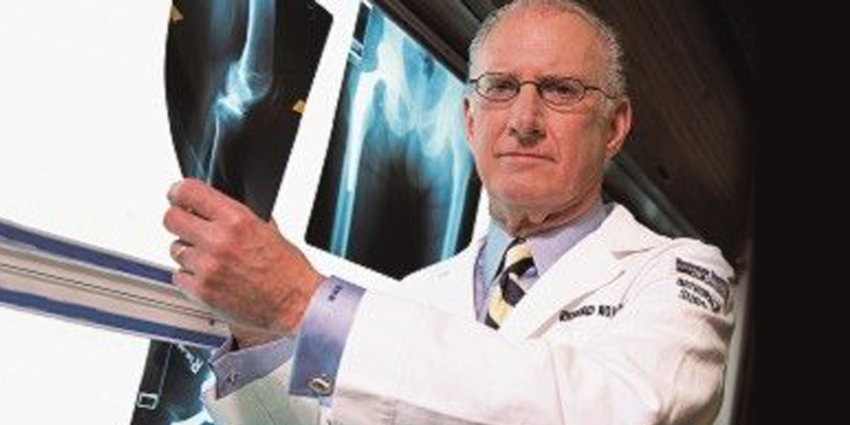
Dr. Rothman was the founder of the Rothman Orthopaedic Institute and mentor to hundreds, possibly thousands of orthopedic and spine surgeons throughout the world.

The largest panel yet assembled to evaluate new spine technologies sifted through a record number of submissions to find best new technologies for spine surgeons for 2018. Notably, the winning engineering teams submitted highly practical, problem solving products which also utilized some form of advanced technologies.

Anthony Viscogliosi is leading one of the most interesting new initiatives in Orthopedics—corralling a vast bone morphogenic protein patent estate and launching a well-financed program to challenge Medtronic’s BMP market dominance. This is clearly the most interesting story so far in 2018.

This morning K2M, Inc. announced that it has agreed to be acquired by Stryker Corporation for $1.4 billion 27% premium over the pre-announcement market value. K2M, which had revitalized the complex spine and deformity markets and became a leader in the minimally invasive sector of the spinal implant market, reported sales of $258 million for […]

We have a clarification for our readers regarding our recent article about orthopedic and spine registries. In describing the newly launched North American Spine Society (NASS) registry, we may have mis-characterized the data entry process. To be clear, for the North American Spine Society registry, data is entered manually by clinicians at the time of […]

What the men and women of our industry do, every day, is to care, heal and embrace people in pain, in the throes of chronic disease or enduring congenital deformities—in short, to serve a cause greater than ourselves…Rest in Peace John McCain.

Short sellers say MiMedx is a fraud. The company can’t file its 2017 annual report with the SEC. In June the board’s audit committee said that none of the past six years of financial reports were reliable. Then the CEO, president and CFO were kicked out. What happens next?

Viscogliosi Brothers, LLC, the leading merchant banker in the global orthopedics industry, has made a bid to acquire the patent estate for an innovative line of bone morphogenic proteins (BMP) which originated at Wyeth, went to Pfizer and then eventually wound up at Bioventus, a global leader in orthobiologic solutions. On July 23, Bioventus announced […]

Are spine fusion surgeries cost effective? The practical answer depends on who is asking. Tiger Woods, who almost won the British Open after his surgery, would have to say “yes!!”. The hospital who lost money may say “no”. Here’s Robin’s recent PowerPoint on this critical topic.
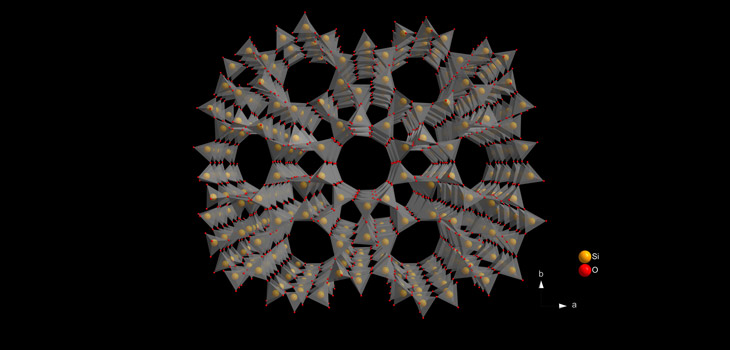
Want a preview of one of this year’s most interesting NASS studies? We saw the study, thought it was really different (potentially disruptive, even) called the company and asked if we could preview it for our readers. They said ‘yes’. So, here is ‘boiling stone’ versus PEEK.

Could hospital penalties make up for the Medicare Trust’s financial problems? Fact is, 25% of all hospitals are being penalized, no matter how much they cut hospital-acquired complications. Here are the penalty details and the Trust’s apparent march to insolvency.
RTI lost money in 10 of its 18 years as a public company. It is worth less today, even though sales are up 128%, than it was when it sold its first share of public stock in 2000. So why did one of Jack Welch’s protégé’s who could have any CEO job he wanted, who has no experience in either spine or allograft join RTI? We went to Alachua, Florida, to find out.

The Centers for Medicare and Medicaid Services (CMS) have recommended a new HCPCS J-Code be issued on January 1, 2019 for the extended release corticosteroid, Zilretta. Zilretta is first and only extended-release, intra-articular therapy for patients with osteoarthritis-related knee pain. Zilretta employs proprietary microsphere technology combining triamcinolone acetonide (TA)—a short-acting corticosteroid that was first approved […]
It’s been six months since Centinel Spine and the Viscogliosi Brothers re-acquired the ProDisc line. A lot has happened. First, Centinel Spine has nearly tripled in size. Second, new data has emerged about ProDisc which is unexpected and surprising. Centinel Spine is on the move!

How did suppliers of spinal implants and instruments perform in 2017 and what is the outlook for 2018? Here is Robin Young’s latest spine industry analysis.

The amount of clinical research is growing by an average of 28% per year. Each year, approximately 8 million authors are published by about 10,000 journals, yet the quality of that work is under assault. Why? What can be done? Here is that discussion.

The 12th annual Castellvi Spine Meeting, now re-located to a much easier to reach Key West (airport), is featuring debates! A surprisingly low number (probably less than 5%) of orthopedic or spine meetings schedule real, knock-down, drag out debates on the important procedural, product and other surgical topics of the day. Yet, educational meeting that […]

Gainsharing is back. A spine surgery practice allowed its surgeons to receive up to 50% of any cost savings from standardizing products and cutting BMP usage. The OIG looked at the details and blessed it. Devil is in the details—which are here.

Want to have a good day – Part II? We finish up with teenagers and one exceptional young man, a 21-year-old CP patient. The challenges and rewards of pediatric orthopedics are unlike any other orthopedic sector. Welcome the rest of the day in the many lives of Phoenix Children’s hospital.
Want to have a good day? Go to a children’s hospital. We went to one of the best, Phoenix Children’s. The challenges and rewards of pediatric orthopedics are unlike any other orthopedic sector. Seeing it in action is impressive. Welcome to a day in the many lives of Phoenix Children’s Hospital.

This week, the U.S. government proposed taxing a large number of medical products including orthopedic devices being imported from China 25%. Here is the list of products for which the Trump Administration would like to tax and the time table for public comment and potential implementation.
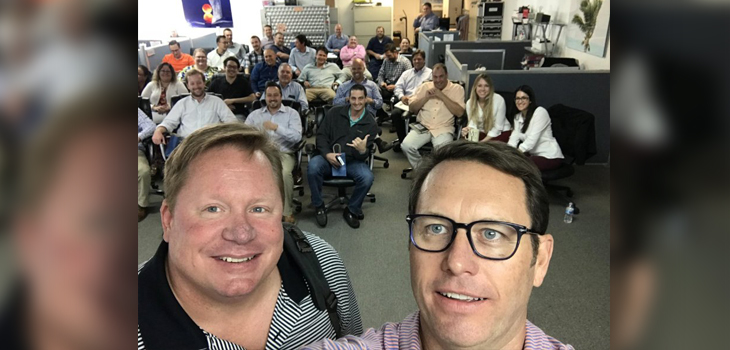
Integrity Implants sold just under $10 million in year 1. Its co-founders think they can sell $20-25 million this year. With only two sales people and one product—a TLIF/PLIF—Integrity has been in 1,400 cases in the past ten months. Who are these guys? Probably the next hot spine company.

United Orthopedics Corporation—you may not know the name, but you may well have been using their products since 1993. There were 38 Chinese origin companies at 2018 AAOS. UOC was the biggest and, possibly, the one with the most enduring impact.

A new, important study out of Dr. Lawrence Bonassar’s lab at Cornell University has quantified the link between Hyaluronic Acid’s (HA’s) lubrication function and the complex biologic processes operating on the arthritic knee. For any physician using HA, this is a must-read study.
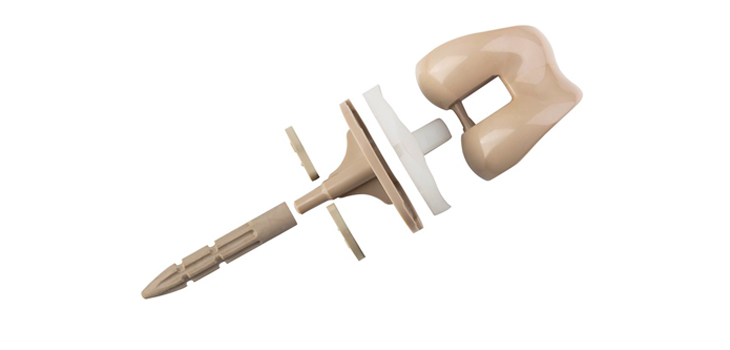
A new study of a PEEK polymer knee implant which was fabricated using injection molding techniques was found to exhibit 50% less wear than metal when used for articulating knee implant components over a 3 million cycle test. The study was sponsored by Okani Medical Technology, a China-based innovator in artificial joint applications. Okani’s ORGknee […]

Jeffrey Goldstein, Chief of Spine Service at NYU Langone Orthopedic Hospital, took years to get comfortable with robotic assistance in the OR. What was his thought process which led to adoption? Why so long? Here are his candid observations and advice about robotic assistance in spine surgery.
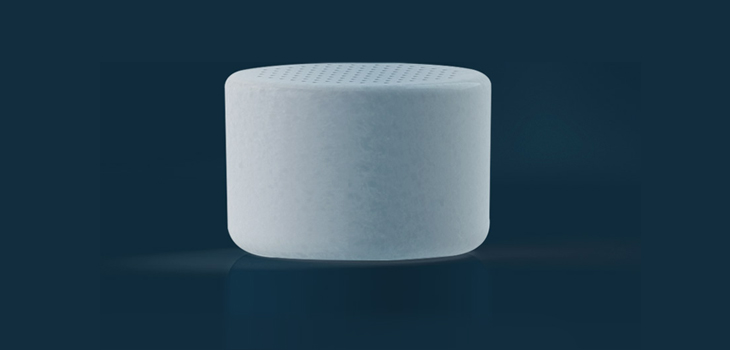
J&J, Bioventus and six top venture firms looked at CartiHeal’s cartilage regeneration data. It impressed them so much, they dropped $55 million on the company. We followed the money. Here’s what we learned. They think this novel cartilage repair technology could be the real deal.

Cutting the health insurer out of the middle took a big step forward this week when Amazon, Berkshire Hathaway and JP Morgan announced a partnership to provide health care to their 1 million employees. By the way, it potentially saves them $500 million a year in insurance fees.
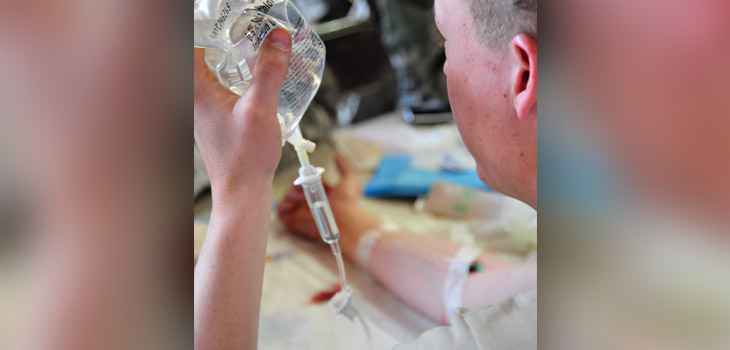
No Saline?! Saline bags are so ubiquitous we don’t think twice about them, until they’re gone. Since 2014 there’s been a shortage. In late 2017 it got much worse. Healthcare providers are raising hell. The FDA is worried. What happened?

Best hospital for total hip or knee surgery? CMS, which pays for more arthroplasties than any other single payer, has answers. The agency just released hospital performance data. Here are their picks for the best hip/knee surgery providers. One surprise, nearly all are NOT in major metropolitan centers.

The American Medical Association (AMA) hired IQVIA, the data, marketing and research outsourcing firm formerly known as IMS/Quintiles and headquartered in Durham, North Carolina, to answer a simple question: What is the economic value of U.S. physicians? The answer, which is in a report titled The National Economic Impact of Physicians, was released Monday, January […]
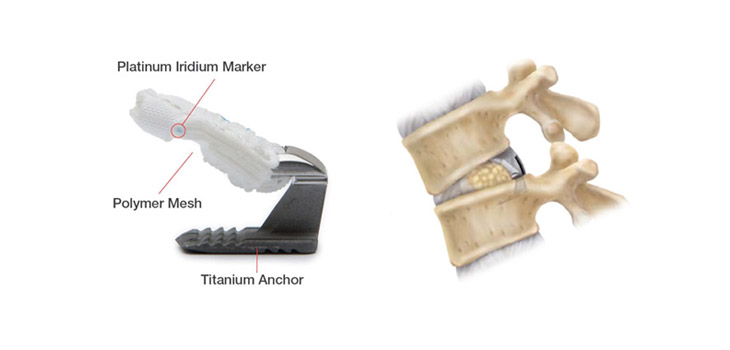
Did the recent FDA panel considering Intrinsic’s Barricaid make a mistake? In reviewing both the FDA letter, the Barricaid’s study and Instrinsic’s health economics data, it appears that the panel may have missed the forest for the trees. Read this and see if you agree.

Dignity Health and Catholic Health Initiatives have agreed to merge and, in the process, create the largest not-for-profit hospital system in the U.S. The new health system will have 139 hospitals, 159,000 employees, 25,000 physicians and affiliated healthcare providers in 28 states and a revenue base of $28.4 billion. The two companies had been in […]

In a story written by investigative journalists Tomer Ganon and Dror Reich for Israeli technology news site, CTech, the authors report that Israeli Securities Authority (ISA) conducted a search of the offices of surgical robotics company Mazor Robotics Ltd seven months ago in May 2017. According to the CTech article, it was not until early […]
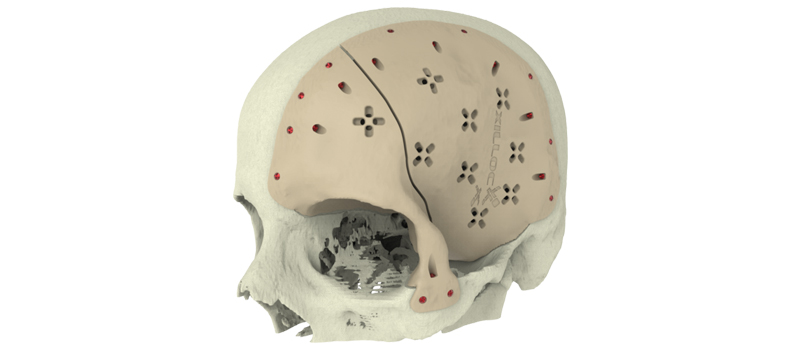
3D printers are spitting out complex geometric structures, porous surfaces and tortuous internal channels that are a joy to behold. But product liability lawyers see opportunities for mischief. The FDA is stepping up and suggestingm in a new document, ways to keep patients, doctors, clinics, hospitals AND manufacturers safe.
Bryan Hanson, most recently president of Medtronic’s $9 billion Minimally Invasive Therapies Group, is Zimmer Biomet’s new CEO and member of the Board of Directors effective immediately. Zimmer’s search for a new CEO took a full five months and, according to at least one Wall Street analyst, Hanson was the best of the bunch. Dan […]

New actuarial data from CMS had many interesting nuggets of information—some of which contradict long-held assumptions about the U.S. health care system. For example, turns out demographics is NOT driving spending growth. Here are 10 basic facts about U.S. health care spending from CMS’ data mills.

At the one-year anniversary of CMS’s mandating pay-for-performance for approximately 600,000 U.S. physicians, a new systematic review, the largest to date, has concluded that they generally don’t work as intended. Here are the details.

Republican lawmakers passed legislation which would significantly overhaul the U.S. tax code. Final details are still being worked out in conference committee, but five key aspects of the bill will almost certainly become law—which leads to two overriding conclusions. One is positive.

Innovation in pain management is an exciting and rapidly developing technology sector. A couple new approaches for easing chronic pain crossed our desk recently. They both hold real promise. And they both indicate that our traditional pain management approaches are way off the mark.
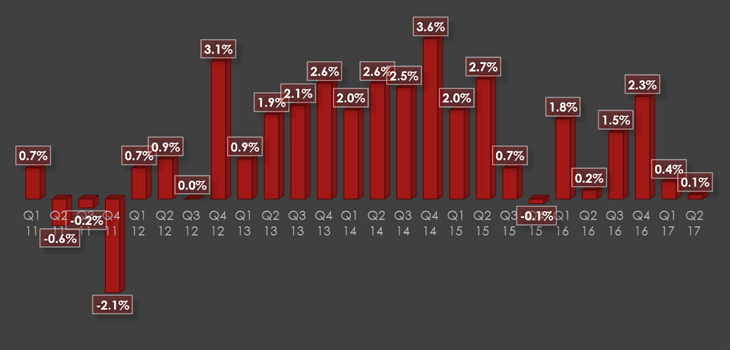
With the end of 2017 rapidly approaching, it is time for a report on the state of the spine industry and to offer both company-specific and industry-wide predictions for 2018. Who’s likely to outperform expectations? Who is struggling? Here are some answers.

Radiation-free imaging, novel amniotic tissue forms, breakthrough computer modeling, high tech rehab walkers, facet joint technologies and re-imagining pedicle screws. These are among the Best Spine Technologies for 2017. Two highly innovative companies are repeat winners—7D and Mighty Oak. The Best Spine Technologies for 2017!
Exactech is being sold for $625 million to Texas based TPG Capital, formerly Texas Pacific Group. Exactech’s co-founder and longtime CEO, Dr. Bill Petty is a Mayo Clinic trained orthopedic surgeon. His vision of creating a physician, patient and science centric company became the hallmark of Exactech’s popularity and success. Now a new chapter begins.

According to London’s equity traders, 2014 was absolutely the year that Stryker (SYK) was going to buy Smith & Nephew (SNN). Then they said it would certainly happen in 2015. And again in 2016. So far, no sale. A new report from one of Wall Street’s premier analysts, Mike Matson with Needham, offers up some […]

Medovex—the latest growth company from the Dean of American Healthcare Entrepreneurism, Steve Gorlin—will be at NASS. Gorlin, whose remarkable track record includes six (!) billion dollar companies may have another winner in Medovex.

The world of marketing to patients and physicians is changing dramatically. Two-thirds of all American adults, for example, engage with Facebook. Forty percent get news there. The process of communicating products, features and benefits is no longer about “awareness.” It is, instead, about engagement and community building. These new concepts are the new sales drivers. […]

Medical marijuana/cannabis has become a kind of free radical in U.S. healthcare. It’s a fact of life for about 3 million U.S. patients and growing fast. Yet physicians don’t prescribe or monitor its use. Time for a best evidence, best practices seminar. In Orlando. October 25. Email suzanne@ryortho.com to register.

DePuy Synthes has agreed to sell its ProDisc assets to Centinel Spine, one of the companies owned by New York-based Viscogliosi Bros., LLC. ProDisc is back with the VBs. The surgeon community is cheering.

A new, extended release corticosteroid brand named Zilretta is in the final stages of FDA review. The FDA recently established a user fee goal for Zilretta of October 6, 2017. If met, then the first extended release corticosteroid will be on the market very soon. It will be, we think, a game changer.

In a surprising announcement, Globus Medical, Inc. reported yesterday that founder and CEO, David Paul, would be giving the operational reins and the title of CEO to David Demski, currently Globus’s president of emerging technologies business. In addition, the company disclosed that David Paul had a health condition which requires him to reduce the amount […]

The Congressional Budget Office looked at what would happen if Trump follows through on his threat to end Cost-Sharing Reduction payments to insurers under the ACA program. No surprise: Premiums rise. Big Surprise: so does the federal deficit. Huh? It’s the fine print.

Thirty six percent of healthcare IT professionals say that hackers have attacked medical devices in the past year. More interconnected, smart implants means more cybersecurity risks. Legal and regulatory liabilities abound. New Deloitte poll explains the problem.

For the first half of 2017, we estimate the number of orthopedic procedures globally increased 3-4%. The fastest growing sector was extremities. The slowest was spine. Pricing pressures remain a key drag on sales growth. Orthopedics is in a transition, here is a mid-course report.

This year’s Best International Paper and winner of the T. David Sisk Awards for Research Excellence is a study from Hokkaido, Japan titled: Intrinsic Risk Factors of Lateral Ankle Sprain: A Systematic Review and Meta-analysis. The award was announced at the 2017 annual meeting of the American Orthopaedic Society of Sports Medicine (AOSSM) on July […]

Eight orthopedic specialty groups in Indiana and Kentucky have agreed to sign up for Humana, Inc.’s value-based care model for total hip or knee joint replacement (TJR) surgery Medicare Advantage members. The eight specialty groups are: Fort Wayne Orthopedics, Ortho NorthEast, Orthopaedic Associates Inc., Tri-State Orthopaedics and Unity Healthcare LLC in Indiana and Commonwealth Orthopaedic […]

The August 3, 2017 The New England Journal of Medicine issue gives 4 reasons why the FDA, in particular, should look beyond randomized control trials approach to evaluate medical devices and pharmaceuticals. This is an influential, bellwether article.

Here are the ten best sports medicine technologies of 2017. Not only are these creative and innovative products but our judges also selected practical and cost effective solutions. Not all of the winners were interventional technologies. Two were computer applications which work through smart phones. As one of our judges commented, “There are some great ideas here.” We hope you agree.
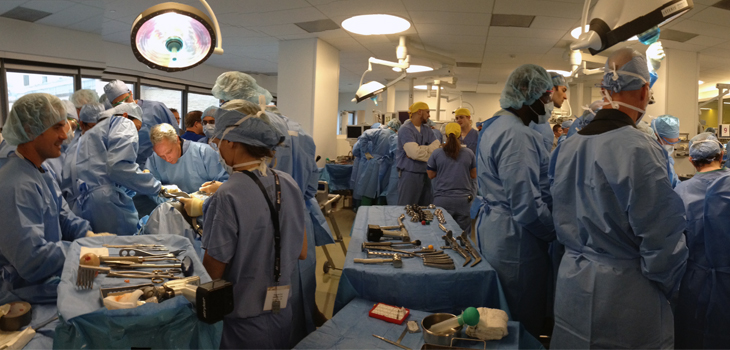
Swiss-based Medacta is probably the fastest growing large joint implant supplier in the world. Their secret? An unusually comprehensive education and training program. We gowned up to experience it ourselves. Our reaction? This is exceptional by traditional orthopedics training standards.

The U.S. Department of Health and Human Services (HHS) Cybersecurity Task Force issued its official report to Congress this month. The Task Force, which was established by HHS in March 2016, is staffed by information specialists from large and small hospitals, suppliers, insurers and independent IT specialists. Among the members are Kaiser Permanente, Anthem and […]

Stephen B. Soumerai, Sc.D., Professor of Population Medicine at Harvard Medical School, slammed Centers for Medicare and Medicaid Services’ (CMS) recent announcements in The Federal Register and fact sheet about the Medicare Access and CHIP Reauthorization (MACRA) program. This is the program that was supposed to improve health care quality and improve costs. According to […]
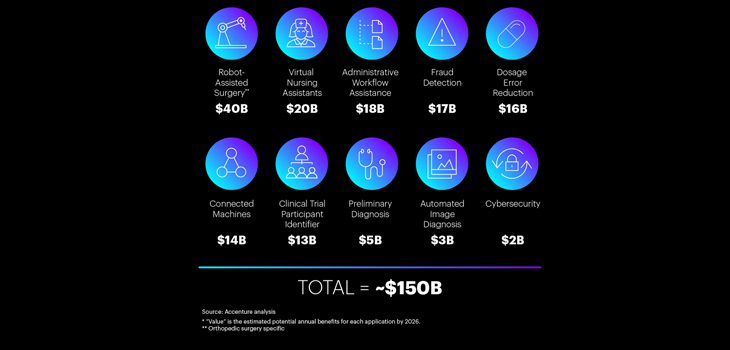
Global management consulting firm, Accenture issued a new report, Artificial Intelligence: Healthcare’s New Nervous System, which declares that Artificial Intelligence (AI) will become the new operating system for healthcare. And we thought evidence-based medicine was the operating system. Or, absent that, then the cost accounting package that your CEO just paid a million dollars for. […]

What could be more patriotic than some biologic fireworks courtesy of the National Institutes of Health and one of their NIH funded teams? Hats off to the kick-ass team led by Sabine Petry, Ph.D. at Princeton University, Princeton, New Jersey. As part of their study of the dynamics of microtubules, the researchers created a time-lapse […]

“I spent 20 minutes listening to Michelle and asking her questions to understand why she was not taking her insulin as recommended. The appointment was for 15 min, 5 of which were used by the medical assistant who had to check the vitals and ‘do an A1C.’ “I did not ask Michelle whether her feet […]

Gregg Masters, MPH, director of HealthInnovation Media and reimbursement gadfly, recently wrote in his blog about the current status of Accountable Care Organizations (ACO). In all the sturm-und-drang of Obamacare vs. Trumpcare, ACO are like the kids in the middle of divorcing parents. How are they doing? Masters tackled that question with a really interesting […]

A new study in The New England Journal of Medicine offered a fascinating look under the hood of the recent CBO scoring of both the House and Senate versions of Trumpcare. It also reinforces the analysis that Trumpcare, if passed in its current form, would reduce demand for orthopedic services by nearly 1%, with spine services being the hardest hit.

Last week a disgruntled physician shot fellow doctors at Bronx-Lebanon hospital. Before this tragedy occurred, the 120-year-old urban healthcare provider had been hit with a seemingly unending series of major crisis. You think your hospital has problems? Be thankful you aren’t Bronx-Lebanon—the unluckiest hospital in the United States.

On June 8, the FDA issued an announcement that asked Endo Pharmaceuticals to remove its opioid pain medication, reformulated Opana ER (oxymorphone hydrochloride), from the market. They said that it was removing the drug because the benefits of the drug may no longer outweigh its risks. This is the first time the FDA has taken […]

Jason Shafrin, writing in his healthcare care blog Healthcare Economist on June 20, 2017, called attention to one of the unexpected consequences of physician quality statistics, namely that these scores may not be doing a good job of measuring care quality. Physician quality scores are usually based on single composite statistical measures. Medicare’s Value-based Payment […]

Evan Sweeney, senior editor at Fierce Healthcare, noted in a recent article that tech giants like IBM, General Electric and Google may be hitting the wall when trying to apply artificial intelligence (AI) tools to the problems of diagnosing and treating patients. “Technology giants like IBM, General Electric and Google have been eager to capitalize […]

Rajiv Leventhal, Managing Editor of Healthcare Informatics, wrote this week that Apple may succeed where Google and IBM have so far failed—namely in building a category killer business in healthcare data collection and analytics. Said Leventhal this week; “It was fascinating to read a CNBC (http://www.cnbc.com/2017/06/14/apple-iphone-medical-record-integration-plans.html) article from June 14 on how Apple is looking […]

Go big or go home. In the world of hospitals and their suppliers, that has been the mantra for the past few years. This year, the pace of M&A activity is as strong as ever. Here are 18 of the top deals so far.

In the United States there are 1.2 million marijuana card holders. Denver has more marijuana dispensaries than Starbucks. The number of clinical studies showing that marijuana relieves pain, nausea, insomnia is substantial. So why are physicians largely absent from this $6.7 billion industry? We have answers.

The House passed the AHCA and sent it to the Senate. The Senate GOP just released its re-working of the AHCA and called it the Better Care Reconciliation Act or BCRA. Something is likely to pass. What does it mean for orthopedics? Here are our top ten takeaways from the Senate bill.
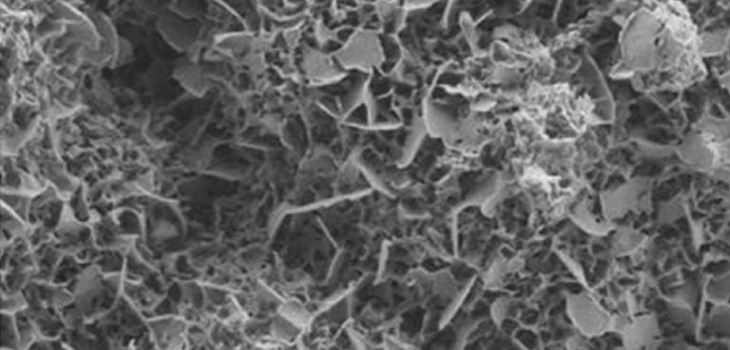
Changing the geometries of surface coatings at the nano level is a paradigm shift in the science of implant coatings. A small PhD-rich Michigan company is doing it with simple phosphates. Result: 1000x more infection resistance. This value driver may make the coating worth more than the implant itself.
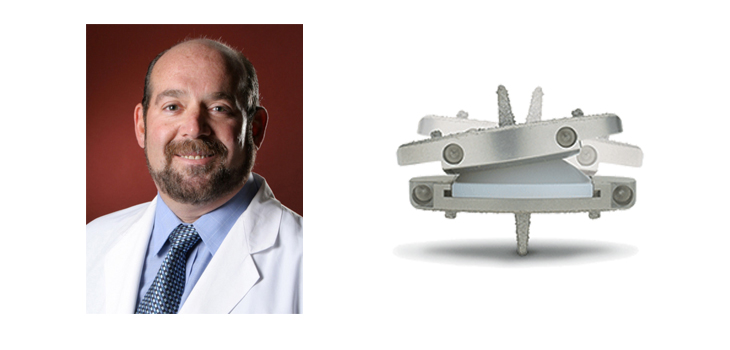
Jack Zigler keeps tracking his ProDisc patients, now 12 years post FDA approval. Just as he found at 3 years, 5 years and 7 years post approval, LADR is superior to fusion. And cheaper. Yet, on May 1, 2017 United Healthcare cited no long term data to label LADR “unproven.” Such a monumental mistake. Read on.

A new analysis by one of Wall Street’s top medical device research groups has concluded that the May 4 passage of the American Health Care Act (AHCA), if ultimately signed into law by President Trump, would likely reduce orthopedic procedure volumes 0.7% in 2018 and, cumulatively, cut overall volumes 1.2% in 2026. The new analysis […]

Orthopedics This Week calls for a change in the economic framework for the clinical study process globally. The current system is undermined by systemic bias, lack of reproducibility and scalability. The causes come from multiple factors, many of which are non-corporate. It is time to address these issues.

Orthopedics remains healthcare’s largest single sector, affecting one out of every two people. The process of delivering and paying for orthopedic care is going through unprecedented changes. This presentation summarizes some of the key trends and pressures which are transforming this most important medical sector.
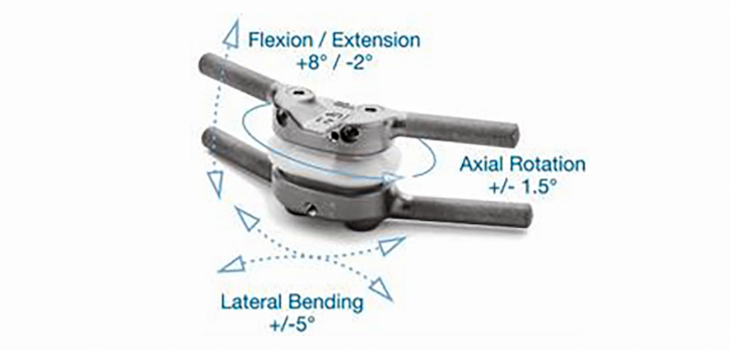
Once upon a time lumbar arthroplasty was the most innovative and exciting development in spine surgery. Thirteen years ago the procedure hit a reimbursement wall. That was then, this is now. The resurrection of TOPS is the latest sign that lumbar arthroplasty has a second wind.

Without being entirely aware of it, physicians, investors and even the FDA discount the information they receive from clinical studies. And they are not wrong. Bias, lack of reproducibility and, as we’ve written in OTW, pressure to produce extreme outcomes have undermined overall research quality. Here is our diagnosis of the issue.

Robin Young’s full Q1 2017 Presentation – “Spine: Changing Constantly”. Forecasts and statistics included along with the “Best New Spine Technologies of 2016”.

Health insurers have just weeks to file their 2018 rate and service plans with the states. Trump and his HHS Secretary, Tom Price, M.D., are threatening to cut off funding for seven million low income ACA insured. If that happens, to quote Trump, “Obamacare is gone. Just gone.” It’s crunch time for insurers and the ACA.

Millions of patients have evaluated their hospital, physician and nurse experience by way of the HCAHPS survey. Patients seem happy. But CMS isn’t. And poorer hospitals are calling foul. We checked with the expert about all this and read a handful of new studies. Conclusion: HCAHPS is a very good, albeit not perfect, thing.
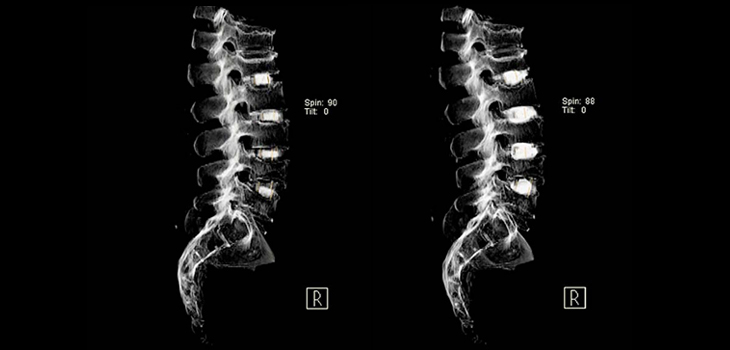
Sometimes back to the basics requires a new approach. Here’s a fresh look at maximizing the impact of bone graft in spine fusion courtesy of Pinnacle Spine. Think you know all there is to know about bone graft? Here’s a new approach that increases bone graft volume by up to 94%, resulting in a more complete fill of the biologic void that is present with more traditionally pre-packed implants.

Did ChoiceSpine just make the strategic acquisition of the year? Exactech’s spine business has been eclipsed by that company’s more dynamic and successful extremities business. Now fast growing ChoiceSpine has it. In fact, ChoiceSpine may be the most interesting emerging spine company in orthopedics. Here’s why.

Which companies will increase shoulder and foot/ankle market share in 2017. In mid-December we received a flashlight into the opaque future of those two dynamic extremity markets. The early Xmas gift came courtesy of top global medical technology analyst, Glenn Novarro. Here is what we learned.

It’s Donald Trump’s world in Washington. The Boss is driving agendas now and here’s the absolutely very latest. The ACA is first up. But there is also a spate of other year-end developments—primarily new digital healthcare initiatives—that should be noted.

What’re the odds that the largest sector in healthcare, the one that impacts one of every four people in the United States, will become a tweet target for President Donald Trump? We have another 1, 460 days to find out. The odds are high, folks.
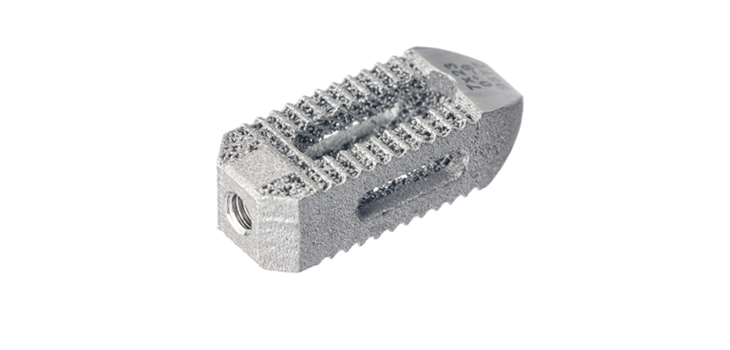
It’s not a revolution, but it is changing orthopedics. 3D printing produced the fastest new product launch in Stryker Spine’s history. It also represented 20% of the winning spine technologies for 2016. Stryker’s rousing success with Tritanium has lessons for everyone. Here they are.

NASS new guidance document regarding bone growth stimulators for spine fusion brings clarity to an often confusing gaggle of products and indications. Bottom line, the evidence supports some bone stimulators and not others in spine fusion. Here’s the story.

Robots, 3D printing and clever strategies for navigating the spinal anatomy dominated this year’s winning technologies. Clearly we are in an environment where risk reduction rules. And so our panel selected impressively clever technologies which make every surgeon even more perfect…and awesome. Congratulations to each and every winner!
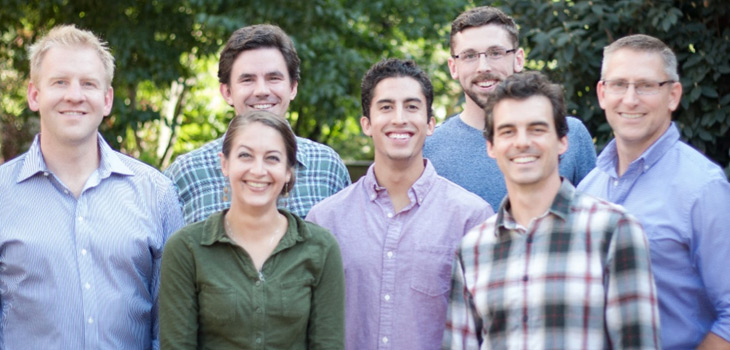
TranS1 is the most innovative workplace for millennials in the Front Range of the Rocky Mountains—aka: the new silicon valley. Who are these guys? Well, as we profiled earlier this year, it’s a young, smart and truly unconventional company which successfully resurrected TranS1. Here’s what makes these guys unique.

Medical marijuana is the law in 23 states, 1.2 million marijuana cards have been issued and the two most common reasons for getting a medical marijuana card are back and arthritis pain. How should orthopedists in those states deal with the phenomenon of medical marijuana? We have some answers.

$80 million in cash, Deerfield Capital paid off, a new $30 million credit facility and a 100% focus on the U.S. market. Is Alphatec rising from the ashes and spreading its long dormant wings?

New JBJS study offers an intriguing look at an extended release steroid injection for knee pain. Authors Bodick, Lufkin and Kumar report that extended release triamcinolone acetonide (TCA) prolongs and amplifies pain relief in arthritic knees.

DePuy Synthes’ new U.S. President Juan-José Gonzalez sat down with OTW recently and painted a picture of an invigorated DePuy Synthes. It’s a vision that wraps the implant in a blanket of services and digitized intelligence. Where’s DePuy Synthes heading? Into a most interesting future. Check it out.

Legendary private investment firm Stephens Group, LLC has made the leap into spine. Earlier this year another major private equity firm, Kohlberg & Company also put their considerable resources behind a small spine company. Stephens is investing in CoreLink, a relatively unknown St. Louis based manufacturer. What’s going on?
The Big Five private insurance carriers—you know who they are—want to consolidate into the Big Three. The U.S. Department of Justice has sued to block them. The American Medical Association agrees and says that if the DOJ fails, private health insurance in America will be forever changed. For the worse. Hard to disagree.

Here are the Best Sports Medicine Technologies for 2016. Sports medicine is the hot new arena in orthopedics and these innovative products show why. This year’s panel of judges included Drs. James Andrews, Brian Cole, John Dorris, David Petron and Tom Vangsness.
DePuy Synthes has scale, but can it also navigate a changing and ever more challenging orthopedic environment? New leadership and a series of innovative moves paint a picture of a more nimble and aggressive DePuy Synthes. Here is Part 1 of our series: Inside DePuy Synthes’s Strategic Playbook.
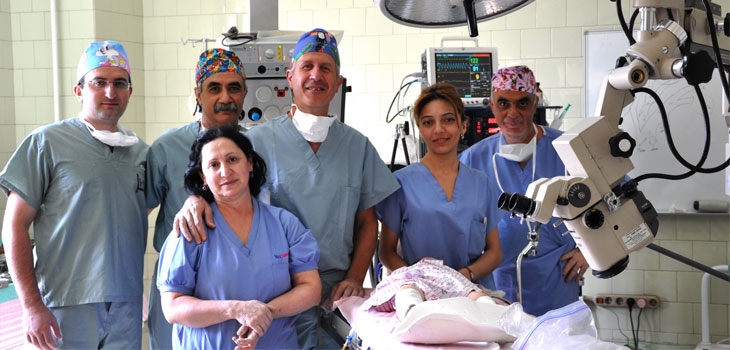
Hospital employees have more workplace injuries than construction workers. It’s a problem. But athletic trainers can really help. For real. They treat employees as athletes and employ the same techniques that were used on the world baseball or Super Bowl champions. Not surprisingly, workplace performance improves dramatically. Here’s the data.

The sports statistical revolution—for it is nothing less than that—brings new statistics, new data capture technologies and new ways of converting that data into information, understanding and, even, knowledge. The predictive statistics emerging from sports medicine will likely migrate into all orthopedics. The only question is how fast.
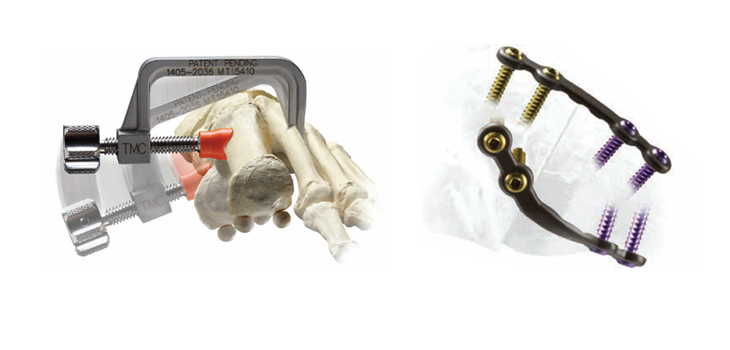
A group of the guys who built Kyphon are now at a small, emerging growth company that sounds a whole lot like the early Kyphon—as in when they were unknown and had just coined the term “Kyphoplasty.” Is it déjà vu all over again? This time the procedure is called Lapiplasty™. It could be even bigger than Kyphoplasty. The company has been under the radar. Until now.

When Zimmer Biomet announced that it intended to buy LDR for $1 billion, investors immediately turned their attention to NuVasive, Globus and other fast growing, independent spine companies. Is Zimmer’s bid a sign that spine may start consolidating? Wall Street thinks so. But Wall Street would. What’s the real story?

The world’s largest spinal implant company, Medtronic Spine, is adding robotics to its product line. That brings the number of major orthopedic suppliers with computer-assisted surgery and robotics to three. Are surgeons ready? Are other orthopedic product suppliers scratching their heads? Here are the details.

There are too many ways to game clinical and scientific studies. Probably the most egregious is “Impact Factor” but close behind it is overreliance on the “p-value.” Several major journals have begun the process of diluting the importance of p-values and introducing other descriptive statistic measures to describe study validity and power. Stepping authoritatively into […]

First quarter surgery volumes were better than anyone had expected—at least publicly. One analyst, Joanne Wuensch of BMO Capital Markets, makes a good case that weather was a big factor. Which is good news and bad news. Weather changes. And most companies raised guidance. Oops?

What an amazing year for level one, prospective, randomized cervical disc arthroplasty studies. The latest gem has, among other attributes, the longest patient follow-up ever for 2-level disc arthroplasty—7-years. It’s Medtronic Spine’s 2-level Prestige® LP™ study and it’s another landmark accomplishment. Here’s why.

Conditions at Alphatec have, apparently, reached the stage where a press release regarding the quarterly results is not considered necessary. Nor, for that matter, is a call with Wall Street analysts to review the quarter. On May 6, 2016 Alphatec Spine filed the required 10-Q financial report with the Securities and Exchange Commission (SEC). Normally, […]

Legendary private equity firm, Kohlberg, is investing in spine and Amendia is the vehicle. Kohlberg’s MO is to buy a platform company, invest in management then bolt on acquisitions. On average, Kohlberg puts between $50-300 million to work. This could be interesting.

With about 80% of the large joint companies reporting sales and 69% of all orthopedic sales now reported, it is almost certain that the first quarter of 2016 will set a new sales record. The majority of companies also raised their sales and earnings guidance for 2016. Here are the details.
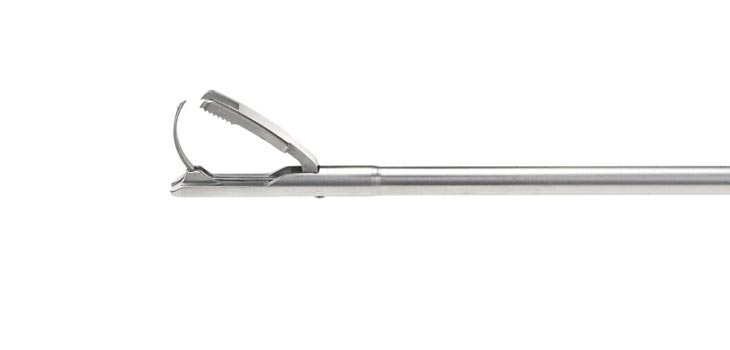
FDA MAUDE reports regarding suture passers appear to be ticking up. Is it time to rethink the lowly suture passer? Considering its essential role in minimally invasive orthopedic surgery, the answer appears to be “yes.” Here’s the scoop.
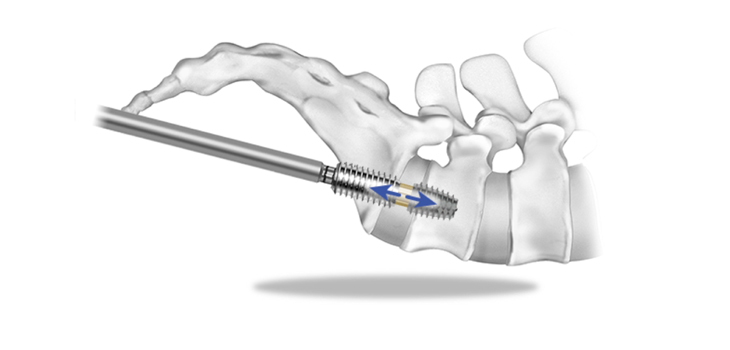
TranS1 and AxiaLIF? Back from the dead? Yes and behind it is an up and coming player in orthopedics—Jeffrey Schell. Michigan born and bred, Schell has made formerly bankrupt TranS1 profitable and AxiaLIF steadily gaining new users and champions. It’s a remarkable story.

The FDA approved nearly every PMA submitted to it in 2015 (98%). And shortened time to decision for both PMA and 510(k) significantly. The trends are clearly favorable. Where does the FDA go from here? Even faster approvals, they say. Here’s the data.

It’s been a tough March so far for Alphatec. Former CEO and longtime board member, John Foster, resigned mere days before the release of the 2015 financial report. That report revealed that sales fell 10% in 2015 and, after write-offs, losses were $179 million. Putting it nicely, the company is in a transition.

EXPAREL is a widely used post-operative pain treatment for large joint arthroplasty. But not for spine. Have two Chicago doctors created the alternative to EXPAREL for spine surgery…and possibly large joints and other surgeries as well?

When Breg was a division of Orthofix, it grew 32% in eight years. Since spinning off, Breg has doubled in three years. What happened and where is this, the second largest bracing company in the world, heading? The answer is both interesting and highly strategic.
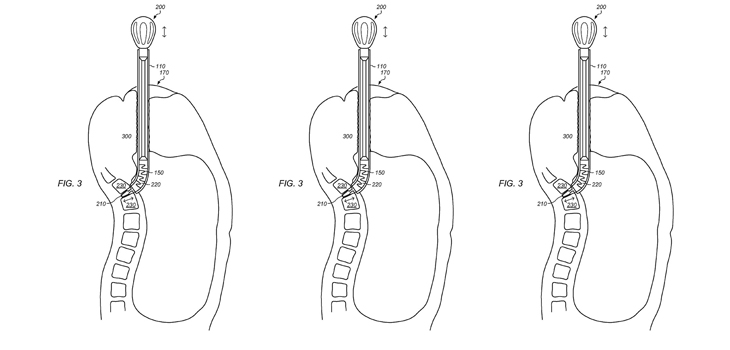
Natural orifice surgery. Now that’s a concept. The human body has a fair number of such entry points. But, for spine surgery? On the shoulders of the GI surgeon community, a strong argument in the form of two patents and a YouTube video say “Yes”.

Forty-six tons of rigging, truss and hoists. 28, 000 square feet of usable floor space. Zimmer Biomet’s AAOS booth was a theatrical live event experience. How did they do it? We peek behind the curtain to show you. So put up those tray tables and make sure your seat belt is buckled. It’s not a booth, it’s a spaceship.

No, this is not about horizontal tango injuries. It is about the observed and occasionally measured phenomenon of sports medicine injury rate differences between males and females. But, in the evolving language of science, these are not gender studies per se, these are sex studies. As we learned at AAOS (American Academy of Orthopaedic Surgeons) […]

At the end of the day, we are partners with our hospitals, physicians and patients. We may forget that from time to time and especially in the heat of a competitive moment. But then tragedy strikes—as it did in November in Paris. At those moments the true soul of orthopedics emerges.

Scalia—what does his absence mean for healthcare? Is the President’s new budget—with funding proposals for FDA and CMS—dead on arrival? Finally, Opioids —new initiatives this month from both the FDA and Congress.

Better than fusion. At the five year mark. Head to head, prospective, Level 1 clinical study. Coflex® beats fusion for patients with moderate to severe lumbar stenosis (up to grade 1 spondylolythesis) at 3 months, 6 months, 12 months, 24 months and, now, 60 months. It’s a game changer, folks.
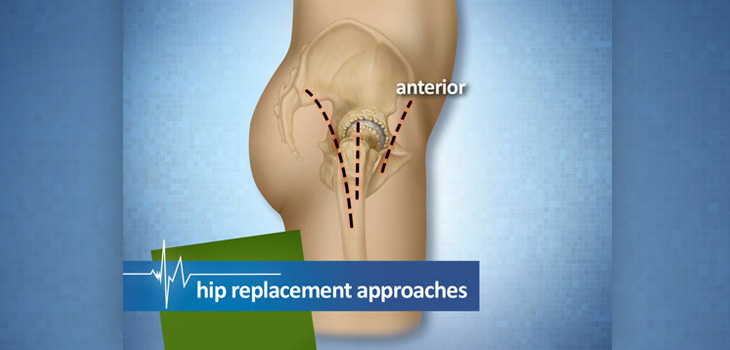
The anterior hip arthroplasty approach is now performed by an estimated 26% of all orthopedic surgeons. The Wall Street Journal just touted it and OTW’s senior writer, Billie Young, just had it. It could become the most common hip surgery of all. But should it?

Orthopedics is a consumer products industry. That’s a fact. But how well do we understand consumer thinking and how clearly do we see the influence consumers are exerting on orthopedic products and services? Global consulting and research powerhouse, McKinsey, tackled this question and found some sobering answers.

Do physician ratings websites actually measure anything useful? Or do they create more problems than solutions? Two recent studies provide clear insights into the flaws and power of physician rating websites. Can orthopedic surgeons use these ratings to build their practice?

Medical Device cybersecurity concerns and continued payment reforms are dominating the agenda in Washington at the start of 2016. Both CMS and FDA are making recommendations which will affect orthopedic surgeons, clinics and patients. Here are highlights and lowlights.

Zimmer and Biomet’s merger was final on June 29, 2015 and for the next six months the #1 question on Wall Street was about integration of the two companies. The answer to that question came in the form a pro forma (excluding currency effects) sales of $1.93 billion for the fourth quarter, up 0.5%—which showed […]
For the last three months of a very eventful 2015, ConMed Corporation (home of Linvatec, Hall, Concept and Shutt) reported $191 million in sales—which pulled the full year up to $719 million—higher than Wall Street’s $189.7 million estimate for the quarter. While better than Wall Street expected, ConMed’s sales were still down about 2.0% from […]
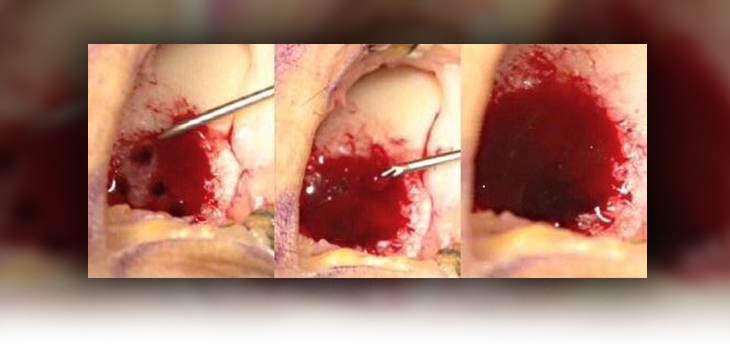
Surprise! Smith & Nephew’s new cartilage regeneration product, BST-CarGel has a handful of clinical trials and regulatory approvals around the globe. Piramal Life Sciences—India’s massive life science company—quietly funded it. Then last week SNN bought it. BST-CarGel is a chitosan-based material. It’s different. Here’s the scoop.

Johnson and Johnson’s DePuy Synthes business ended 2015 on a clear upswing, if we’re looking at large joint reconstruction, but a slog if we’re talking trauma and spine. For the final quarter of 2015, DePuy Synthes sold nearly $760 million of hip and knee implants, instruments and other related products—which was about 1% higher than […]

The University of Washington (UW) and its affiliated Seattle-based start-up company, Vicis, Inc., have invented and introduced a crushable football helmet that may well be the best technology yet developed which can reduce the rate of concussions in football. This new helmet design is the outcome of research conducted at the University of Washington and, […]

To start the New Year, CMS Acting Commissioner Andy Slavitt gave a major policy speech to the healthcare industry where he laid out CMS’s goals for 2016. In a nutshell, CMS wants to be a change agent. And here’s how this mammoth bureaucracy plans to do it in 2016.

The CEOs of Humana, United Healthcare, Anthem, Cigna and Aetna were caught in this Jib-Jab video celebrating the start of 2016. With an average annual salary in the millions of dollars, who wouldn’t want to celebrate! Can you identify these party hounds? http://www.jibjab.com/view/qzui8sZ8T6etYL3RLe3DWQ

On the eve of the JP Morgan Healthcare conference in San Francisco this week, Stryker pre-announced its sales results for the 2015 fourth quarter and full year. Stryker’s fourth quarter sales were $2.7 billion which is +6.4% higher than the same period last year and a sequential growth rate acceleration compared to the third quarter […]

Orthopedics This Week, courtesy of Jib-Jab, decided to have some fun with the Presidential Dance of 2016. Let us know who you think is the best Can-Can dancer. Feel free to share liberally or conservatively.
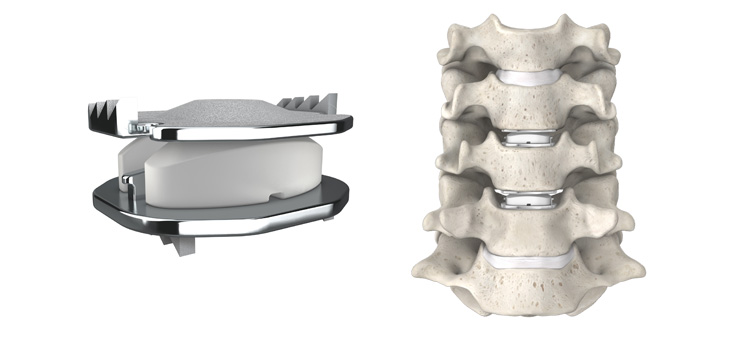
LDR Spine’s release of 5-year data for both the two-level and single-level Mobi disc arthroplasty implant reminded us that fully two decades of disc arthroplasty data is now in the books. We’re talking hundreds of studies and several level 1, FDA IDE trials. And to the payers it is still “experimental.” Really?
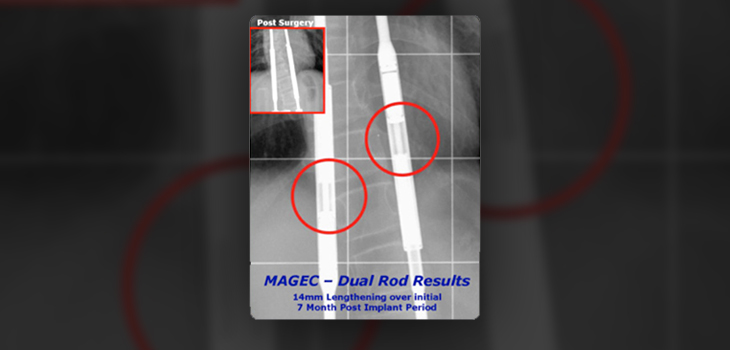
NuVasive buys Ellipse for $380 million. Ellipse’s MAGEC minimally invasive treatment for pediatric scoliosis was top vote getter in OTW’s 2011 Spine Technology Awards. Along with Ellipse’s PRECICE limb lengthening technology, this purchase adds important technologies to NuVasive’s product portfolio.
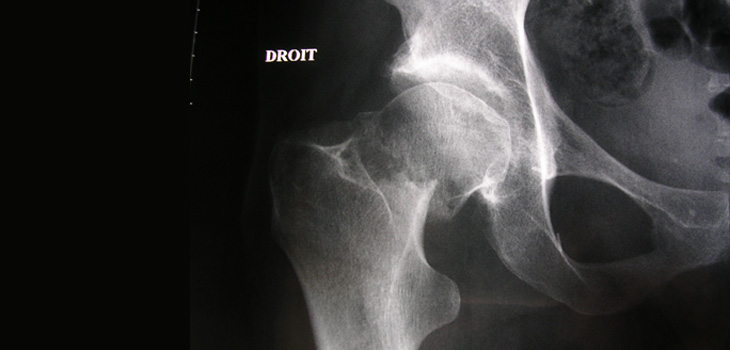
Following its 2014 release of clinical practice guidelines for the management of hip fractures in elderly, the American Academy of Orthopaedic Surgeons (AAOS) has released additional guidelines regarding specific surgical procedures for hip fractures in the elderly as Appropriate Use Criteria.
What does an industry do for New Year’s—lose weight? In a way, when dealing with pricing pressures, innovation challenges and new provider business models, yes. So, with hope over experience, we offer the following ten resolutions for an Orthopedic New Year.

Last Friday both the House and Senate passed legislation that suspends the medical device tax for two years, which President Obama is expected to sign into law. In addition, this legislation made the R&D tax credit permanent which is of critical importance for med tech innovators.
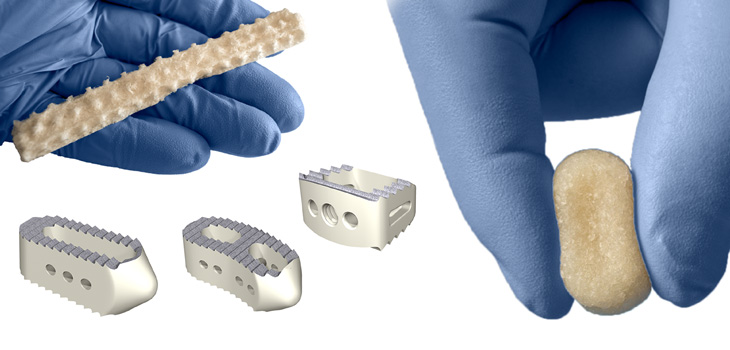
Three talented and experienced CEOs, Dan Goldberger, Keith Valentine and Brian Hutchison are putting together a new model for blending biologics and hardware in spine. Will they create the next group of great spine companies? One thing is for sure—the winners will be spine and neuro-surgeons.

Can you define ‘P-Value?” If you’re stumped, you are in very good company. Top scientists struggle with that one. Yet ‘P-Value’ is the critical gating item for published research. Is it time to dump the ‘P-Value?’ Some top journals and scientists say “yes.”

When 99% of the shareholders approved the Aetna/Humana merger, key physician groups, led by the AMA, sounded the alarm at the U.S. Department of Justice. Is the U.S. Department of Justice listening? Will the DOJ realize how these mega mergers undermine physician practices in the United States?
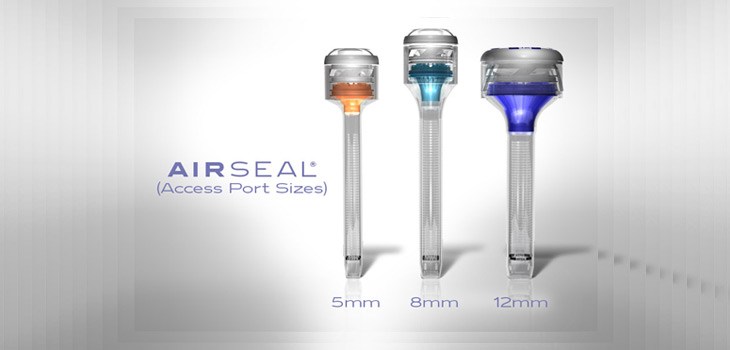
CONMED just announced the largest acquisition in its history. And it is coming on the heels of a near complete changing of management and board of directors at this venerable company. CONMED is changing. And, we think, in very interesting ways.

In spite of being paid at the top of the physician pay scale, orthopedic surgeons continue to struggle with professional satisfaction. If it’s not the money, what is behind this professional angst? We took a look at recent surveys and found some answers.
The business of keeping orthopedic surgeons supplied with the best and most reliable implants, instruments and tools is lucrative but not growing. That is the clear conclusion from the reports for the first nine months of 2015. One sector is bucking that trend: Spine. To read the details and see what Wall Street thinks of each company, read on.
Venerable, 159-year old Smith & Nephew plunged into surgical robotics with its $275 million purchase of Blue Belt Holdings. Two years ago Stryker paid $1.65 billion for robotics firm MAKO. With Stryker and Smith & Nephew betting big on robotics, is it time to add one to your practice? The answers are here.

Here they are! The nine best new spine technologies for 2015. As seems to happen every year, the range and quality of submissions was excellent. Thirty-nine new products were submitted. Our four judges worked hard to select just nine winners from such a strong group. Highlights? Biologics and Imaging.

Type A personalities, opera house accidents, water-skis on fire and sibling rivalry. These are but a few of the new ICD-10 codes which are, yes, billable and are perfectly appropriate descriptor codes for whatever ails your patient. We call it the ICD-10 follies.

Obamacare’s so-called Cadillac Tax is under fire from both the left and the right but not from a large number of economists and academicians. In a letter sent to committee leaders in the House and Senate, 101 economists from such think tanks as the Brookings Institution and the Urban Institute argued that the tax should […]

The Royal Bank of Canada issued its 5th annual survey of extremity surgeons and it had some interesting new information for surgeons and suppliers of implants and instruments. The #1 takeaway? The hunger for innovative products is, if anything, stronger than expected.

Data mining and powerful networks of computing power are increasingly proscribing treatment patterns. But are we getting garbage or are we wobbling our way to the kind of treatment patterns which solve musculoskeletal disease? One clue to the complexity of this transcendental problem came from two brothers a quarter century ago.

$3 billion is a pretty serious bet on wearables and digital data acquisition, integration and analytics. Importantly, these investors are betting that they can use data to affect patient outcomes. And they probably can. As well as physician behavior. But the key is the FDA. Don’t they regulate this?

The AMA follows the American Hospital Association in slamming the two payer mega mergers and raising serious anti-trust concerns. Both associations have a point. Is it time for doctors and hospitals to go to the mattresses over these deals?

Ever have an “Oh Crap” moment? It happened recently in the journal Science. Top notch investigators couldn’t reproduce results from a majority of 100 peer-reviewed, published studies. It’s causing an earthquake in science. How does it affect orthopedic journals? Here’s how.

Nine new spine surgery codes for ASCs plus spine surgery kits from several small innovative suppliers may well drive outpatient care to become the predominate form of spine surgery. What are the codes and who is offering spine surgery in a box? Read on.
Who are the safest hospitals and surgeons for lumbar spine fusion, posterior approach? ProPublica, an independent, non-profit public interest newsroom has an app which uses CMS data to list and rank hospitals and surgeons according to complication rate. Here’s what we found, along with some caveats.

More than three dozen orthopedic companies had already made the trek to test their ideas, make a product or find new products in, of all places, Toledo, Ohio. Is there something in water here? No, just tons of cool lab equipment and some highly talented professors. Maybe you should get to Toledo too.

All that new data from CMS about hospitals and surgeons is finding its way out. The most recent window into this data comes courtesy of ProPublica, an independent, non-profit public interest newsroom. It lists and ranks hospitals and surgeons according to complication rates. Here’s what we found for hip replacement surgery, along with some caveats.

The American Medical Association (AMA) is drawing a line in the sand. The proposed merger of Anthem and Cigna will “reduce competition and choice” said the AMA President Steven J. Stack, M.D. today in a widely distributed press release. Dr. Stack went on to say: “The proposed Anthem-Cigna merger would be presumed to be anticompetitive […]

Scientists are proving that tobacco, more than any other plant, is uniquely suited for development of medicines, vaccines, antibodies and biologic materials. We always thought that tobacco was a drug delivery vehicle. But nothing like this.

Payers do not regard clinical studies the same way as physicians. Physicians seek causation while payers provide reimbursement based on correlations despite great clinical data. Why the disconnect and is there a solution? We see answers in the “Internet of things.”

Remember the Golden Rule? Whoever has the gold, rules. Get ready. BIG changes are in the works at Aetna, Humana, Anthem and UnitedHealthcare. With tens of billions of dollars sloshing around these companies, it seems that bargaining power is shifting in their favor. But some large employers have other ideas.

Think you understand PRP? Some top docs came together at the recent TOBI meeting and posed five key questions which every physician should consider before and while using PRP on their patients.

Oh my! 500% increase in TKA rates among the newly insured in Kansas. According to the Society of Actuaries, that is exactly what happened. But why? In all likelihood two factors did the trick. More insured courtesy of Obamacare and a BCBS policy change regarding HA injections. Is this the perfect storm for TKA?

SeaSpine is now the 8th public spine company. At first glance, this looks like a corporate fixer upper. Down sales. Losses last year. But former NuVasive President Keith Valentine is in charge and, peeling back the layers, we see what attracted him—solid and scalable foundation with a biologics play. If Valentine’s excited, then we are too.

Fifteen Republicans and five Democrats. Each one wants to be President. And each one “knows” how to manage or un-manage healthcare in the United States. Think you know how each candidate stands on healthcare? Think again. There are some surprises.

For spine surgeons who are more than ready to break away from their demanding practices, breathe and with some of the top deformity surgeons of the U.S. and Asia, contemplate and learn — the IMAST meeting in Kuala Lumpur is a must go.

It’s been more than a year, 14 months to be exact, since Zimmer and Biomet agreed to merge. Originally the closing was supposed to happen in Q1 2015. Now the teams are racing to merge before Q3. Employees, vendors and surgeon customers may be forgiven for thinking: “So Merge, Already.”
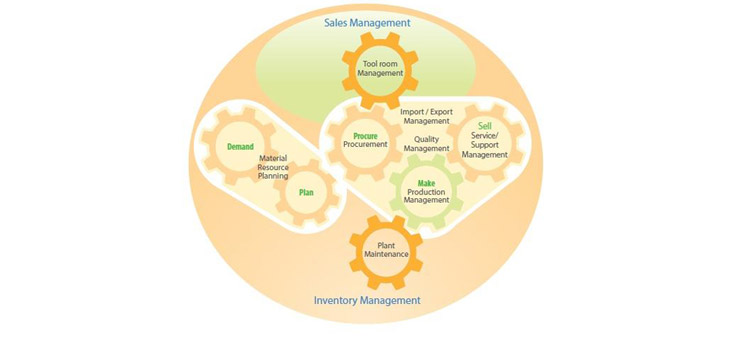
Are the logistics of orthopedics not only outdated but ripe for disruption? Smith & Nephew’s new Syncera venture claims to be just such a force for logistics disruption. Syncera says it is not about generic implants. Nor is it about rep-less operations. Instead it is about new tools and strategies to deliver the seven rights of logistics.

Six years ago McAllen, Texas was the “pig trough” of healthcare expenses. Today it exemplifies what’s working. It’s a remarkable story and it blows up preconceived notions about doctors, hospitals and, yes, even Obamacare.

You know it is an interesting study when one of the participants tells you they gave birth nine months after having their Pro-Disc implanted. Pregnant women have back pain. A third have severe back pain. So should former TDR patients get pregnant? The answers are here.
Rock, meet hard place. Or in this story, KPMG meet Globus. Auditing giant KPMG has declined to continue as Globus Medical’s auditing firm. Why? There were no issues with the number or accounting policies. The issue, we suspect, was that Globus is frugal and would not pay a premium for the big time brand name. Score one for common sense.

Tony Castellvi’s Duck Key meeting, which was one of the best small spine meetings, just got better. James Billys is the meeting’s new director. He’s added two cadaver labs, two point/counter point debates, a slew of new faculty including a group of neurosurgeons and grants for residents to attend the meeting.
Alex Lukianov, former CEO of NuVasive has left the building. The news is both sobering and surprising. We have great affection and admiration for Lukianov so we know these are very difficult times for all concerned. On another level, however, this prompts some reflection about the broader issue of leadership.

Effective April 1, 2015, Florida Blue HMO (Blue Cross Blue Shield) is no longer paying for intra-articular injections of hyaluronan drugs—specifically Hyalgan or Supartz, Euflexxa, Orthovisc, Synvisc or Synvisc-One or Gel-One. What’s going on? We have some answers.
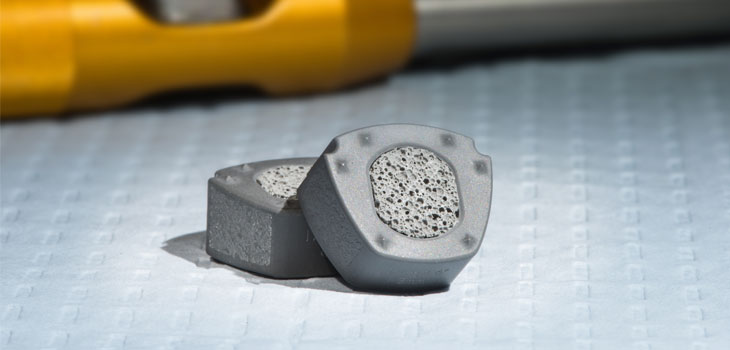
No DBM? No Autograft? No Bone Void Fill of any kind? Could spine surgeons be weaned off using autograft in their PEEK spacers? A new study, Amedica’s CASCADE randomized study of 104 patients makes the elegant argument that it is indeed possible. But, who’d want to save money or complete surgery faster? Anyone?
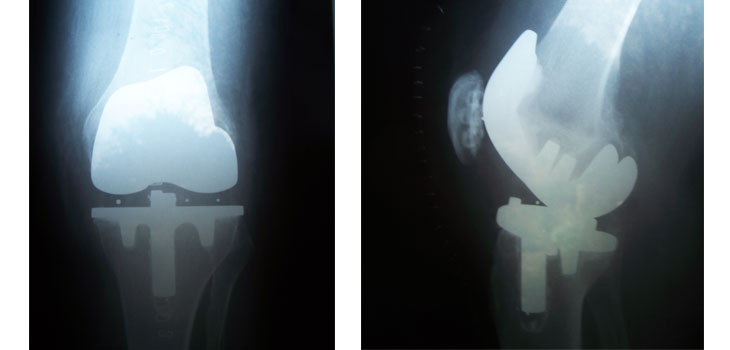
In 2007, JBJS published an interesting paper which projected that the red-hot orthopedic implant business would rise at an increasing rate to a whopping 3.5 million knee implants and $87 billion in costs by 2030. What could possible derail those projections? Well, you might be surprised.

Veteran Wall Street Analyst Bill Plovanic thinks that orthopedic sector growth rates are ticking up. And he’s making some very interesting comments about why that is happening. Even more so, he’s applying those insights to specific companies.
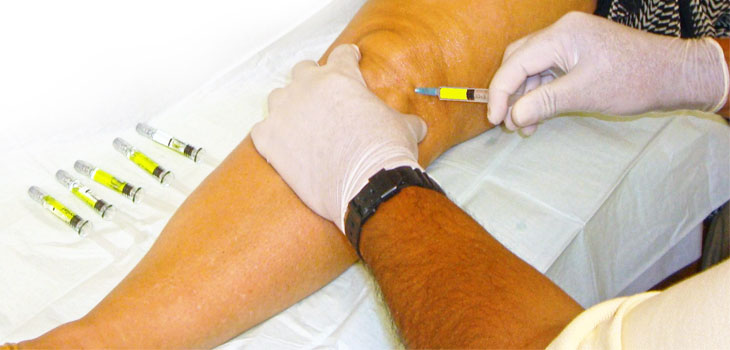
CMS has decided to take a second look at HA knee injections. Furthermore, CMS’ sister agency, AHRQ, released a study that says evidence is lacking that intra-articular HA knee injections delay knee replacement surgery; improve function or quality of life. CMS wants public comment. These are ominous signs. Could CMS change HA national coverage policy? Read on.

How often is the managing editor of a major peer review journal also the lead author of a study appearing in that same journal? To put an even finer point on it, how often in such cases is the “peer review” process a scam? Thanks to Retraction Watch, the web site that tracks bad behavior on the part of peer-reviewed authors, we have an answer.

Seven pure play spinal implant companies have tapped the public markets for a total of $893 million in the last decade. It appears that Integra’s SeaSpine is about to be spun off. Could it be number eight? But does SeaSpine have what it takes to compete with the big boys? We think….

Here they are! The 11 best new spine technologies for 2014. As seems to happen every year, the range and quality of submissions were excellent. More than 40 new products were submitted. Our five judges worked hard to select just 11 winners from such a strong group. One conclusion: innovation continues to assert itself year after year.
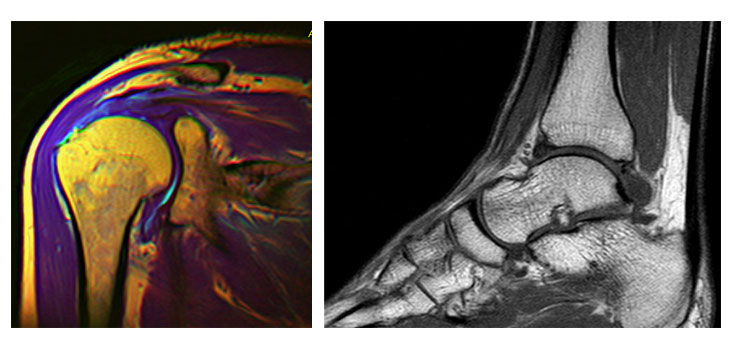
Shoulder meets ankle as Wright Medical, one of the market leaders in lower extremity implants agreed in principle to merge with one of the market leaders in upper extremity implants, Tornier. The surviving company will be Wright Medical.
Imagine an orthopedic sector with no pricing pressure, high procedure growth rates and a steady stream of innovation. As improbable as it may seem in today’s healthcare environment, just such a sector exists and RBC’s new surgeon survey uncovered it. Check it out.

Two announcements regarding orthopedic surgeon compensation—one on the last day of September and one a month earlier—offer startling new information about surgeon pay and how ineffective it is at delivering job satisfaction or even performance. For regulators, this article has a few inconvenient truths.
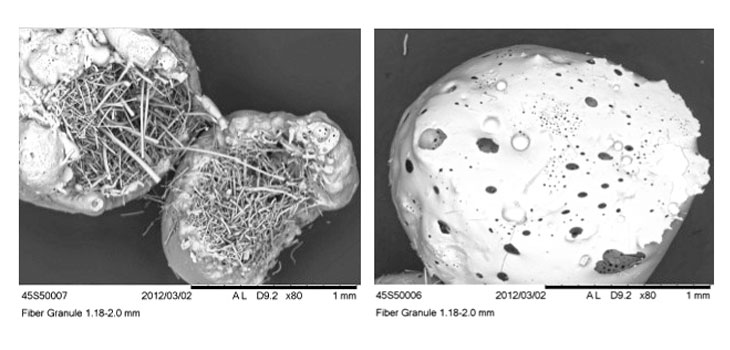
Two of the most biologically active implants ever sold to orthopedic surgeons emerged from the U.S. government’s atomic energy research of the 1950s and 1960s. The first was Marshall Urist’s discovery of bone morphogenic proteins (BMP). The other is the subject of this article.

With all of the corporate M&A activities, we thought we were accurately reading the tea leaves when we said last week in our Power Rankings comment, that Integra wanted to divest its spine business. That comment prompted an urgent call from Integra saying, in effect, ‘’No, we like our spine business and don’t plan to […]

In a little noticed response among the streams of back and forth in the patent lawsuit between MAKO Surgical (the $1.65 billion division of Stryker Corporation) and Blue Belt Technologies, Inc. was an interesting filing which appears to flip the tables on MAKO.
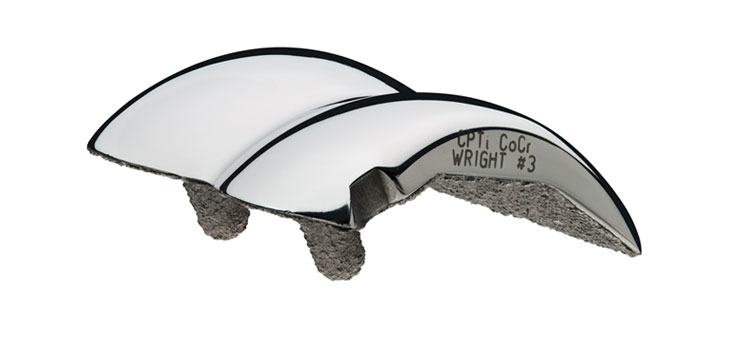
Orthopedic implants embody, occupy and define the inner human space. They are the visible and tangible outcome of a reach for fluency in both metal and tissue. And on occasion, they are beguiling and beautiful. Here’s our take on the art of the orthopedic implant.

Simply put, MicroPort is the most interesting company in large joint recon. With the big guys pushing scale economics, MicroPort is betting on innovation economics—and geographic expansion. Think #1 ortho company in China on top of a powerful innovation engine—all from Memphis, USA. These guys are on to something.

For a company that is not officially for sale, Smith & Nephew is attracting a lot of buying interest. While Medtronic will not likely buy the firm, Stryker may. Has scale economics trumped innovation economics? Read on to see what it all means.

Calling it “an emergency”, bill co-sponsors Senator John McCain, Republican from Arizona, and Senator Bernie Sanders, Independent from Vermont, have rounded up virtually unanimous (519 in favor, 4 against) support for spending an additional $35 billion on private healthcare services over the next three years. The bill, called the Unified Veterans Bill, is a response […]

Stryker is buying MAKO for $1.65 billion. Zimmer is paying $13.3 billion for Biomet. But there is another, quiet, perhaps forgotten billion dollar acquisition that is also working its way to closing. Interestingly enough, this other billion dollar deal could trigger yet ANOTHER billion dollar orthopedic industry transaction.

West Conshohocken, PA May 8, 2014 RRY Publications LLC (“RRY”), a level one medical technology publisher and the largest weekly publication in orthopedics, announced today that it has formed a strategic relationship with Residency Select LLC, a firm that offers selection, training and assessment tools for Graduate Medical Education. Through its popular Orthopedics This Week […]

In a stunning move, cross-town rivals Zimmer and Biomet have agreed to combine in a transaction which is valued at just over $13 billion. Here’s what it will mean.
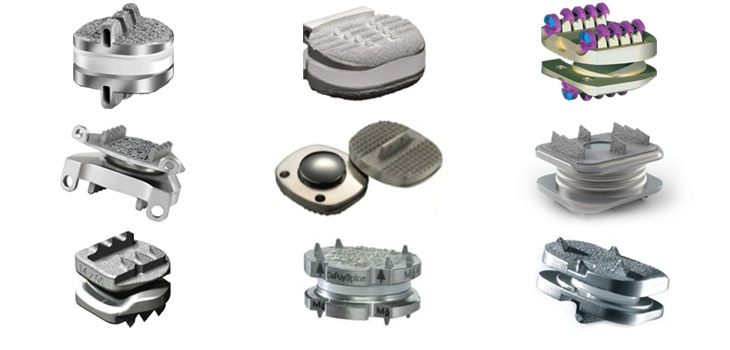
Could cervical disc replacements be the most clinically and economically successful implant that no one pays attention to? After nearly a decade of clinical experience, the data is proving to be even more supportive of cervical total disc arthroplasty (C-TDA). Dom Coric, M.D. and Jack Zigler, M.D. presented fascinating, long-term C-TDA data at Castellvi’s Duck Key meeting. Here it is.

“Stem Cells” have been in orthopedic use since before World War II. We just didn’t know they were “stem cells”. In fact, we probably still don’t know what the heck those cells are. Two of the top surgeons / scientists tackled the problems of understanding “Stem Cells” at AAOS and came up with six questions every physician should ask. Here goes, and take notes.

First there was Athos, Porthos and Aramis. Then there was Crosby, Stills and Nash. And ten years ago another triad came together—Foster, Viscogliosi and Young. British, Italian and Guatemalan. It couldn’t last. Initially they’d come together under the HealthPoint Banner. But F, V&Y ultimately went their separate ways. At infrequent and intermittent times over the […]

ConMed’s group of dissenting shareholders lost its largest member as Coppersmith Capital signed a standstill agreement and agreed to join the company board. Additionally, ConMed Founder and Chairman Eugene Corasanti agreed to resign as Chair and completely leave the board in 2015. Is the fat lady tuning up for Voce Capital?

Voce Capital has launched an aggressive campaign to change out ConMed’s founding family. ConMed is one of the old line orthopedic companies and at $1.3 billion in market value, one of its most valuable. Amid charges of patronage and underperforming assets, can ConMed’s founding family survive?

First, it is on—from April 2 to April 5. And this year the program is Dr. Castellvi’s best yet. New data regarding use of stem cells and other advanced biologics. Large sections on common and uncommon spine complications and debates on MIS, X-ray exposure, posterior interspinous plates, adult degenerative spondylolisthesis and other timely topics. Get to Duck Key.

It is with a heavy heart that we pass along the news that one of the spine community’s most beloved surgeons, Antonio (Tony) Castellvi, died suddenly this past Saturday morning.

Shipments of stem cell-based products jumped 42% to $236 million in 2013. Most went into orthopedics. This year, growth is accelerating as DePuy Synthes adds these technologies to their product line and several new, disruptive cellular technologies come to market. All will be on the podium at this year’s New York Stem Cell Summit. Here is a preview.

K2M announced last week that it is ready to go public. If successful, investors will have seven (yes!) seven public spine companies to choose from. How will K2M stack up? Pretty well we think. Here are a few details.

New Jersey Governor Chris Christie is being accused of punishing his enemies, rewarding his friends in a scandal called “Bridgegate.” These allegations have a familiar ring to many orthopedic industry executives. They saw it first-hand six years ago.
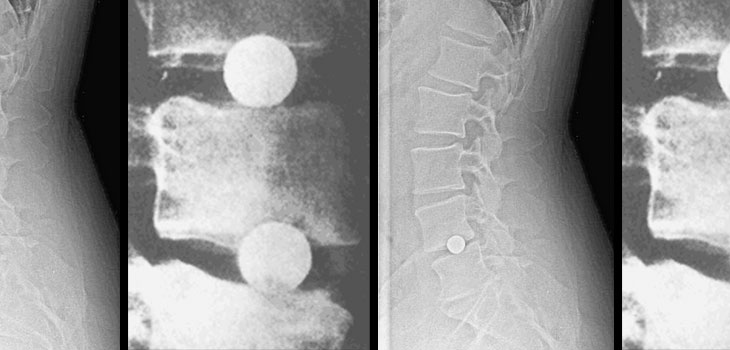
Fernstrom, Nachemson and Harmon are long gone. But the ‘Ball’ they invented, declared war over and implanted in about 100 patients was re-animated this month (December, 2013) at the FDA—57 years after first-in-human implant. Why? It’s a fascinating story.

2014 will be the year of the knee. One of spine’s faster growing young companies will be acquired. Orthopedic equity valuation will grow, but at sharply lower rates than in 2013 (three companies, however, will have a great stock year). Finally, the Medical Device Tax will not be repealed but physician pay will be reformed.

Can the U.S. healthcare system do what it does for 40% less than it charges now? There may be a homeless person shuffling around the subways of New York hearing voices who would say “yes.” But Medicare is hoping that administrators, manufacturer executives and physicians could somehow also get to “yes”. And soon.

Seventy-two-year old Stryker just agreed to acquire much younger MAKO Corporation—the pioneer of orthopedic robotics for a jaw dropping $1.65 billion. s MAKO Stryker’s Trophy Wife? What does buying MAKO say about Stryker’s strategic plans? Read on, the answer might surprise.

“Let me just tell you something. Insurance companies aren’t watching your back, hospitals aren’t watching your back, the government is not watching your back. Guess what: we’re going to take this healthcare mess and we’re going to fix it.” Read more of what Dr. Haar is doing to fix healthcare on the upper east side of New York City. He’s not alone by any means.

NASS wanted to respond to a Washington Post article that made a case against the current level of spine fusion surgery. Noble intention, poor execution. Somehow NASS couldn’t come up with a single study citation to support spine fusion surgery. It really isn’t that hard guys.

Here they are—the best of the best. The best new technologies for spine care for 2013. Our demanding and exceedingly picky judges sorted through 40 outstanding submissions to pick 10 winners. There were a couple of surprises this year, including the number one vote getter—a new pharma compound!

For the first time in the history of either NASS or Medtronic, there was no Medtronic Spine booth at the NASS Annual Meeting. No Booth. No product. No sales people. Medtronic sent a powerful message. Corporate support is no longer a ‘given’ at NASS.

Anthem Blue Cross recently issued guidance to physicians to use lumbar artificial discs only in patients with spondylolisthesis and degenerative disc disease—which contradicts FDA safety guidelines. Who’s in charge here? So serious is this issue that Jack Zigler, M.D., author of more than 60 clinical articles, penned an Open Letter to the FDA.

IMS and PearlDiver have teamed up to create a new class of orthopedic and spine market intelligence reports, analysis and analytic services. Starting October 1, 2013 orthopedic companies will be able to receive orthopedic and spine market intelligence reports based on the most current and robust data ever offered.

Here comes Google Glass into surgery. We predict that this will become one of the most demanded new tools for orthopedic surgeons. Call it the new “augmented” reality.
Please join OTW in supporting two very important causes: Mass General’s research into the rare form of cancer that took the life of Jeff Guyer much too soon and We Love to Play adaptive sports for disabled adults. Both causes strike close to home for us at OTW as well as many, many of our readers.

Christophe Lavigne, founder and CEO of LDR spine, filed the papers to “go public” in the U.S. If successful, LDR would become the 5th public, pure play spine company. At about $100 million in annual sales, LDR is the 11th largest spine company and with last month’s FDA approval of the Mobi-C artificial disc, timing could not be better.

Danica Dubaich was in agony. Her physician recommended an ADR. CIGNA repeatedly denied coverage. Never mind the evidence. So Dubaich sued…and won. In a July 31st landmark decision, a federal judge ordered CIGNA to pay. Could this be a trend? Lawyers Petti and Kantor are working on it.
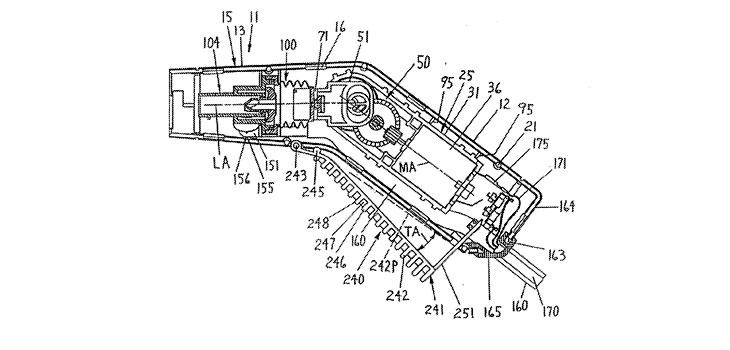
Stryker Corp., with about 905 patents, used to share virtually the entire market for orthopedic pulsed lavage devices with Zimmer Holdings, Inc. No longer. A federal jury has found that Zimmer copied Stryker’s patents and must pull its product. The trial’s judge added that Zimmer must pay Stryker treble damages. Now that Zimmer has rolled out its updated version, pulsed lavage is no longer Stryker’s level monopoly. Here’s what happened.

The New York Times took orthopedic implant manufacturers and surgeons to task last week for allegedly overcharging, price gouging and generally acting selfishly. As we’ve seen with the Times before, their writers are often reluctant to let a few facts get in the way of a good story. We do our best this week to sort fact from fiction and straighten out The New York Times.

Passions unbridled! Doctors and nurses! Saving lives and making love, often simultaneously. Stories ripped from headlines. There is something deeply satisfying about a good medical drama. So, who does this best? Here are the ten best medical movies…ever.
Is the spine industry about to enter a period of consolidation? Wells Fargo’s Biegelsen thinks so and hypothesizes about who would buy who. BofA’s Hopkins reports the results of a spine surgeon opinion survey. Interestingly, spine surgeons and Wall Street analysts seem to have the same opinion about the spinal implant business.

On July 1 ArthroCare bought Fred Dinger’s ENTrigue Surgical company for about $45 million—which qualifies as Dinger’s third successful start-up in just ten years. Osteobiologics went for $75 million to Smith & Nephew and C2M Medical went to Tornier (price not disclosed). Dinger clearly has the Midas touch. What’s his secret? He spells it out in OTW.

China’s leading medical device manufacturer is MicroPort Scientific. They’re bidding for Wright Medical’s Recon business. Sound familiar? Eight years ago another unknown Chinese company (Legend) bought a U.S. technology business and became the huge success named Lenovo. Could MicroPort do the same in medical devices? Absolutely.

It has become increasingly clear that The Spine Journal Editor-in-Chief, Dr. Eugene Carragee has abandoned even the pretense of impartiality with regards to BMP-2, Medtronic and a long list of clinicians who participated in BMP-2 studies. Dr. Carragee needs to step aside in order to restore The Spine Journal’s reputation for excellence in clinical and scientific research.

What a pleasure to read a well done study. Give it up for the Yalies and the Oregonians. Stark contrast to Carragee’s hatchet job. What did they conclude about Infuse? It works in certain patients and certain conditions and not in others. Retrograde ejaculation? Non issue. Cancer risk? Exceedingly small. To read the details, go here.

Physicians are at the front lines of healthcare change. How are they doing? Not so good, in fact. Deloitte released the results of its annual survey of 20, 472 physicians. By and large, U.S. docs are pessimistic about their future and the outlook for healthcare. But there were some bright spots. Here is a summary.

There are lies. There are damn lies. Then there is the stuff that Blue Cross Blue Shield of North Carolina puts on its web site. One neurosurgeon finally had enough of the flat earth society that is BCBSNC. And he wrote a remarkable letter.
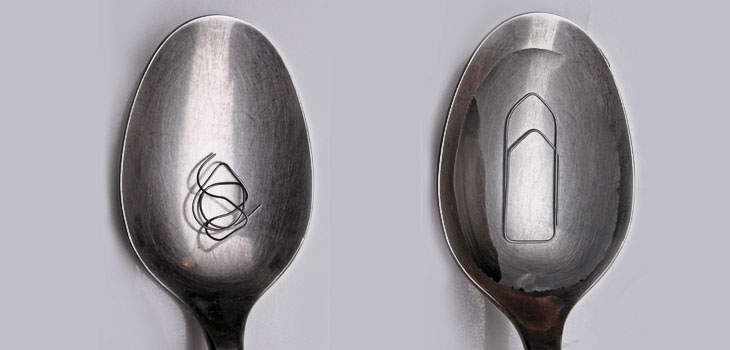
A great deal of force can be produced by preventing NiTiNOL from returning to its original shape. In an intramedullary nail NiTiNOL creates constant compressive forces during bone remodeling. Cool, yes? See it this week at AOFAS. Or here, in OTW.

Three aspects of CMS’ proposed payment system stand out to us. First orthopedics did ok, not great, but ok. Second the quality police are coming and 25% of all hospitals can expect to be penalized. And finally, the definition of “inpatient” is being tweaked. Oh, oh.

Orthopedic surgeons make a living with their hands. But a recent study offers data that robotic assistance can improve surgical precision significantly. Is the game changing? Will surgery in the future be as much about the robot as it is the surgeon? The data seems to say “yes.”

Small spine meetings are so much better for physicians who want to improve their skill sets and learn about new techniques or technologies. There are a couple of very good small meetings. Antonio Castellvi’s meeting in Duck Key in a couple weeks is the best of the best. Here’s why.

Orthofix’s CEO of 1-3/4 years has left the building. Robert S. Vaters tendered his resignation last week and, in the inimitable language of corporate America, left to “pursue other interests.” Brad Mason, who’d “retired” in 2010, is back and in charge. What’s going on?
Chris Centeno, M.D., who is greatly pursuing a vision of autologous biologic therapies, has treated more than 4, 300 patients with their own cells and proteins. So far he has developed five unique methods for delivering autologous biologics. How’s it going? Here’s the answer.

From 1929 to the mid-’80s gold injections were a frequent choice to treat severe arthritis inflammation. But physicians turned to other compounds like methotrexate in the 1980s. A new company and a former Harvard researcher want to revive gold as an anti-inflammatory, RA modifying treatment. They make an interesting case.

Clinical use of stem cell therapies soared in 2012—with approximately 100, 000 new patients receiving stem cells in the U.S. Who is using stem cells? For which indications are stem cells being used? What are the outcomes so far? These questions are the curriculum for the February 19th New York Stem Cell Summit. Here is a preview of the answers.

Across the crowded room, on some enchanted San Franciscan night, you see a stranger and somehow you know, you know even then, that somewhere you’ll see her again and again. This year’s JP Morgan conference was less about elevator pitches than it was about pick-up lines. It’s a good sign and here are 20 of the best.

Why would Pennsylvania’s leading insurance company want to put a venerable hospital system into bankruptcy? Because they can. And when the CEO of that hospital system balked at the idea, the insurer allegedly said; “You report to me, and you do what I tell you!” Surprised? Amazed? Don’t be. This could be only the beginning.

After 4 CEOs, maybe its time for a reboot at Alphatec. With the lowest price to sales in orthopedics, Alphatec has very little support on Wall Street. So, why would Cross, the former CEO of DJO, step into Alphatec? The answer is fascinating. Call it Déjà vu all over again.
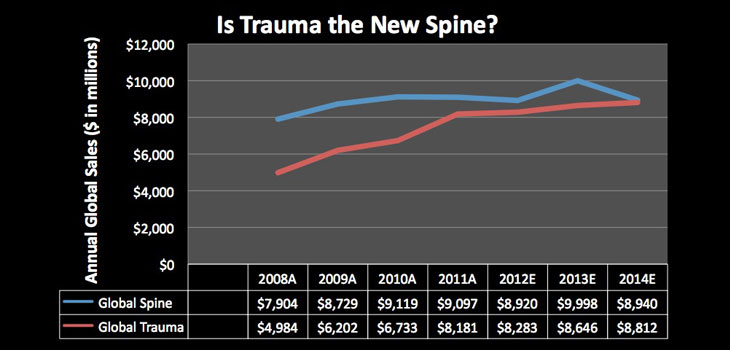
Why is trauma zigging while the rest of the musculoskeletal markets are zagging? The answer, says analyst Michael Matson, can be found in trauma’s unique and acutely essential nature. In other word, there’s nothing elective about an auto accident. So how will the major sectors perform this coming year and through 2014? We have the answers.

Dr. Eugene Carragee’s impact factor has now reached the United States Senate. His tactic of using bias to fight bias now has the imprimatur of the U.S. Senate. The issue is trust and the future of medicine is at stake. There was only one way to respond. And we did.

Can 467, 916 spine fusion patients be wrong? At the recent NASS meeting, Dr. Paul Anderson presented data from a retrospective study of 467, 916 Medicare patients of whom 110, 808 were treated with BMP-2. He found that the BMP-2 patients had a 6.2% reduced risk of cancer. Huh?! Read the details here.

A record number of new technologies were submitted this year. The odds of winning were longer and our esteemed panel of judges was particularly picky. High scores were few and far between. But a few new technologies caught these discriminating surgeons’ attention. And the winners are…!
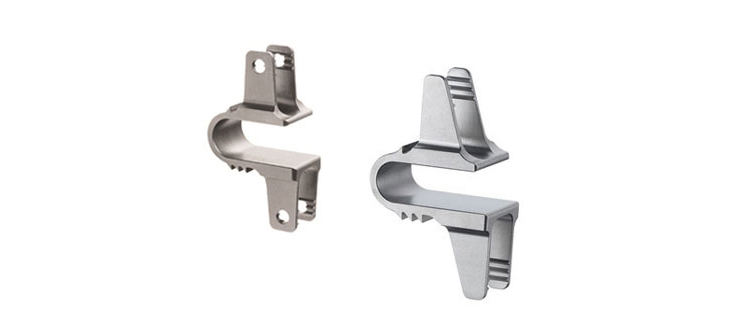
The VBs have done it again. Anthony, John and Marc led the way in motion preservation. This week they set the pace for the industry with an ambitious and complex PMA study—375, 000 clinical and radiographic data points and economic data. This study was about much more than an implant. It was about comparative effectiveness. It was about the future.

China is growing old before it grows rich. So, by government mandate, 80% of its hospitals are going to be rebuilt or expanded in the coming ten years. For $800 million Medtronic just bought access to most of them—the most valuable healthcare franchise in the world. It’s a steal of historic proportions.

Last quarter Mazor Robotics stunned Wall Street with a 470% sales jump for the June quarter hitting 11.2 million ILS up from 2 million ILS million last year. What is going on here? Is there a march of robots into the spine surgery suite?
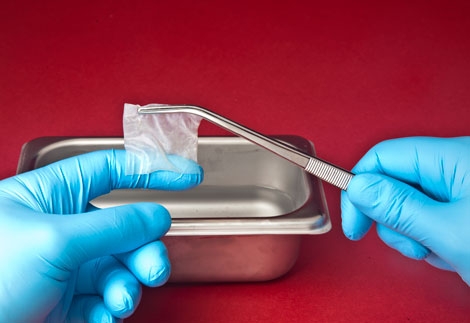
AFCell Medical announced the results of a retrospective study of the use of an amnion based allograft membrane to prevent post-operative adhesions between the tendon, peritendonous structures and overlying skin.
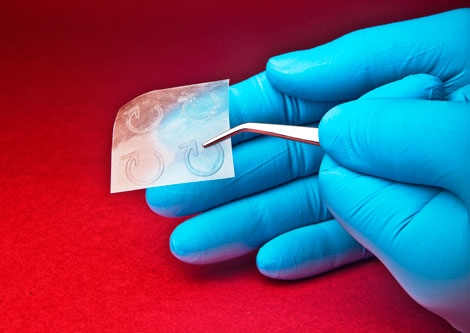
Placentas have been the subject of lore and speculation for thousands of years. Recently, however, some spine surgeons have started using placentas in their practice. What’s going on? The answer, it seems, is that placental tissues, which are a standard of care in ocular surgery, are migrating into spine surgery. Here’s what is happening.

Welcome to the fish bowl. In the first eight days of trading Globus’ value has risen 13% and added another $110 million to the company’s billion dollar valuation. This is one of the best inaugural IPOs in a while. But what will the analysts say once the IPO quiet period ends? Here’s our take.

As they say, nothing is done until it’s done. Even after its board instructed Khoury to call JNJ’s Weldon back, the road to merging with DePuy would still be long, twisted and arduous. Task #1: get a higher bid. Task #2: negotiate merger payments to Synthes’s senior executives. And, of course, never say never.

Today, 76-year-old Hans Wyss is retired, Synthes is called DePuy and whole generations of Synthes managers are wealthy. How did this happen? In fact, it almost didn’t. Here is the inside story as culled from public filings of the amazing roller coaster ride that started in the fall of 2010 and ended with the creation of the largest orthopedic company in the world.

Aging and wealth are growing faster in China than anywhere else. Here’s a statistic that’ll put starch in your shorts. China’s elderly population will grow by 100 million in just 15 years (from 200 million in 2015 to 300 million in 2030). It’s as if the entire U.S. population was elderly.

Is it time for a new framework of rigorous statistical analysis, a new set of metrics that better describe value and contribution of people and products in orthopedics? Is it time to acknowledge that orthopedics is also subject to the “ruthless drive for efficiency that capitalism demands”? If so, then perhaps a famous baseball book, Moneyball, can help.
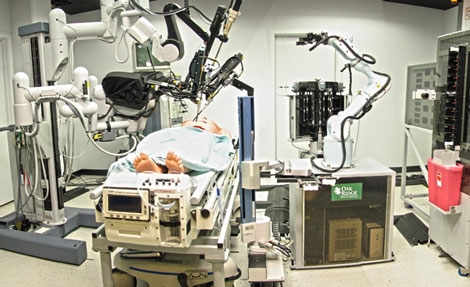
The economic rationale for expensive surgical robots rests on showing that the cost of precision is less than the cost of imprecision. MAKO Surgical’s first quarter miss of Wall Street expectations gives us an opportunity to look at the value proposition of robotics in orthopedics. See what we found.

Smith & Nephew’s deal with Essex Woodlands to spin off its clinical therapies business into a new company, called Bioventus, raises the specter of a well-capitalized, nimble and aggressive biologic/injectables challenge to the metal and plastic implant business. Is SNN trying to obsolete itself? Well, better them than someone else. Here’s what’s happening.

Survey says….orthopedics is weak in the knees but strong in the shoulders. Spine surgeons? They are one opinionated group. A survey of both orthopedic and neuro spine surgeons across 25 states uncovers some unexpected comments about Medtronic, NuVasive and other vendors. Now we know what they really think. And you will too.

Michael Will, 56 years old, president of Centinel Spine, former CEO and president of Pegasus Biologics and senior vice president of Synthes, died unexpectedly of natural causes on April 10, 2012, at his home in Malvern, Pennsylvania.

On what is essentially Globus Medical’s ninth birthday, this company of 672 employees, 39 major product lines and $331 million in annual sales will “go public” raising $100 million. A tour of the company’s S-1 reveals an unusually profitable and fast growing firm. This deal should lift all boats.

This year’s Duck Key Spine meeting is strong on new technology (like stem cells, sacroiliac implants and nanotechnology), biomechanics, Ph.D.s, hands-on workshops and, of course, the beautiful and relaxing Duck Key. We hope to see all spine surgeons there.
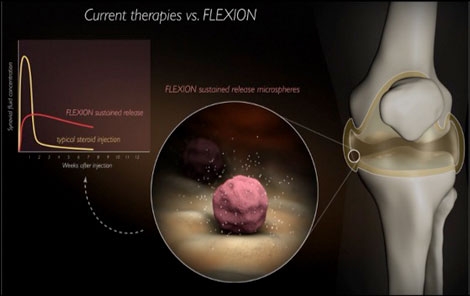
One small Boston company may have the future of orthopedics in its grasp. What if steroid pain relief lasted months instead of weeks? What if the largest osteoarthritis pain relief signal ever seen was available for intra-articular injection? Well, get ready. They’re on the way.

The number one news story at the American Academy of Orthopaedic Surgeon’s annual confab was not a paper or product but rather a single person—former Stryker Chairman of the Board and CEO, Stephen MacMillan. For “family reasons” he and Stryker agreed to part. What happened?

Want to know the secrets of one of the greatest of all medical product sales managers? We did. So we read John Treace’s Nuts and Bolts. There are plenty of sales management books available but this is one of the best. Why? Think 30 years of medical sales management experience in a fast, practical read.

K2M, already one of the most successful spine start-ups in history, added more than 100 employees in the last 12 months and sharply accelerated new product introductions. This week we unlock the secret to K2M’s ability to grow in an otherwise stagnant industry.

Reflecting the dynamic nature of the industry, this year’s Stem Cell Summit has a record number of new presenters and one notable drop out—Geron. No question, adult stem cells are king of the hill for clinicians, but are embryonic stem cell therapies gone for good? The answer may surprise. Read on.

A veteran surgeon urged his colleagues around the U.S. to electively NOT treat attorneys, employees of MCO’s or Medicare, government officials, Congress, the Supreme Court, President or bureaucrats or their families for one year effective January 1st. Why is this highly rated clinician so upset? We have the answers here.

Wall Street may not be noticing, but there is an insistent wake up call coming from State Road in Warsaw that Symmetry Medical is changing, big time. Last week’s winning bid for JNJ’s Codman should have attracted more analyst attention than it did. Where’s SMA heading? The answer might surprise you.

Sometimes the best time to stop and remember why orthopedics is such a great industry is when things seem to be at their worst—like when your reviewer at the FDA retires and a 23-year-old kid takes over. For those moments, here are ten things to be thankful for in orthopedics. Be sure to add your own picks and warmest wishes to everyone this holiday season.

In the recent issue of The Spine Journal, Eugene Carragee, M.D., writes more like prosecutor-in-chief than editor-in-chief as he resumes his attack on the use of rhBMP2 and its clinical investigators. The plaintiff’s bar is cheering. But NASS members are reeling. Who to believe? Read the details here.

Every year approximately 600, 000 peer review articles from 5, 560 journals are published in Medline and are included in index Medicus. Somewhere in that mountain of paper are gems. With help from editors at JBJS, AAOS Staff and our own Google Scholar searches, we compiled a list of about 50 superior orthopedic papers and from that list culled the Ten Best for 2011.

Despite ever growing hurdles to innovation and entrepreneurism in spine, ten solid new technologies earned the top award for innovation and clinical effectiveness for 2011. This year, diagnostics and biologics were the most innovative and popular categories. And the winners are…

The 2011 NASS Wiltse Award winner may best be known for something that does not appear on any plaque, award or patent filing. Professor Kiyoshi Kaneda’s legacy may well be his promotion of education and training interchanges between Japan and the rest of the world.

How did The Spine Journal’s peer review process miss glaring errors in fact as well as judgment and scientific method in its June 2011 issue? We think there are two basic reasons. And both were under Carragee’s control.

Question: What are three terrific new technologies or companies in orthopedics? We see new product ideas and companies every week, but these three recent candidates stood out for their innovation and practicality. See if you agree.

Could orthopedic company values be poised to rise during the coming election year? There is strong evidence from several quarters that indicate that, yes, orthopedic values will be higher a year from now. Here is a uniquely positive vision for orthopedic companies.

The Spine Journal’s recent review of 13 rhBMP-2 studies, (June 2011, The Year of Living Dangerously) has pulled the publication into a morass of methodological errors and unapologetic bias. In short, living dangerously. The problems with Carragee’s Spine Journal are too numerous to ignore. Details here.

The Centers for Medicare and Medicaid Services (CMS) paid millions of dollars for hip surgeries, knee surgeries and other orthopedic procedures for dead Americans between 2004 and 2008 according to a new study by PearlDiver Technologies. Who, why, what and how follows.

Five companies, we think, stand out when it comes to non-allograft stem cells. These firms either have stem cell products on the market or are in the very advanced stages of bringing therapeutic stem cells to the rank and file orthopedic surgeon. Check it out.

Ten potentially disruptive trends are gathering momentum. Some or all of these, we think, will change orthopedics forever. From least to most, here are our picks for the coming disruptive trends in products, services, hospitals and employment in orthopedics.

If you can think of it, these guys can make it. Send any digital input from any source to Oxford’s digital laser PEKK sinter and you get your implant. Only a handful of PEKK digital fabricators exist globally. This is the first in orthopedics. It’s an e-manufacturing revolution. Think of it as an innovator’s dream come true.
Charles Ray, M.D., who played a larger-than-life role in shaping the surgical treatment of debilitating back pain, died peacefully in his sleep—no doubt dreaming of his next invention—on July 21, 2011 in Santa Barbara, California at the age of 83.
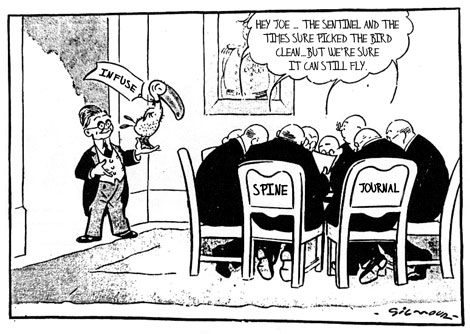
This week, in Part II of our review of The Spine Journal’s BMP issue, we tackle some of the other issues raised by the Journal, notably corporate funding of the InFuse studies. Then we look at the broader implications of the Journal’s review on innovation and self-regulation in the spine surgery community.
First The Spine Journal devotes its entire June 29th issue to repudiating studies—one of which once appeared in its own pages. Then a Wall Street analyst speculated that Medtronic might divest itself of InFuse or Spine or both. Surgeons are upset. It’s a mess. Using PearlDiver data we try to sort fact from fiction.

After a couple billion dollars and more than a decade of work, the VA created what is arguably the best electronic health record and data sharing system in the world. Called VistA, it is available from the U.S. government for free. Yes, FREE!

After the pain comes the test of will. From onset to wheelchair, the task is the same: contain the pain…maintain mobility… stay working. Problem is, arthritis doesn’t read the newspapers, isn’t clued into budget deficits and never adjusts to economic news. Arthritis exacts its toll regardless of job status.

Tomislav Smoljanović, M.D., thought he spotted an inconsistency in a recent rhBMP-2 study. He wrote the study’s authors about it. They ignored him. Now that The Spine Journal has confirmed Smoljanović’s discovery, the question is why was he rebuffed. We have the story here.
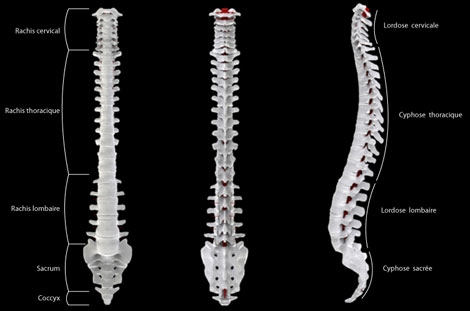
DePuy Spine and Synthes Spine are combining at a propitious time in the spine industry. Five basic trends are changing this industry to one that rewards risk avoidance. See how industry and company sales forecasts shape up in the post Synthes/Depuy merger era.
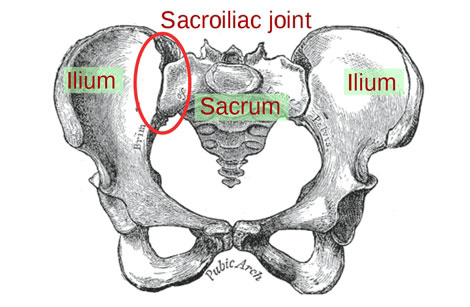
Spine’s innovation rate may no longer be the juggernaut it once was. Independent auditing/actuarial firms (looking at you Milliman) may be trying to re-draw the boundaries of spine care. But none of that seems to be affecting a small San Jose company which could be the next Kyphon.

Stem Cell Saturday is just one part of this year’s Innovative Techniques in Spine Surgery Symposium in Los Cabos, Mexico. Also included this year is a comprehensive survey of new technologies, recent studies and an expanded section on the economics of spine surgery.

There is a body of work called signaling theory which studies communication schemes between organisms. The scientists write about bird calls, frog croaks, etc. Lately these guys have moved from animals to cells and proteins. They think the signaling patterns are similar. Really?
Leslie Cross, the nearly 30-year veteran of DJO’s (nee Smith & Nephew) bracing business has agreed to become Alphatec Spine’s tenth director, sixth independent director.

Senior orthopedic company executives are voting with their pocket books on the future of orthopedics and their specific companies. Based on the most recent public filings, these ultimate insiders are making some surprising bets.

The outlook for hip and knee implants is decidedly more optimistic among surgeons and their patients. BMO’s analyst Joanne Wuensch chalks this up to pent-up demand. Spine, on the other hand, is still fighting reimbursement headwinds. Here are the details.
In Latin, doctoris means “Teacher”, and Tony Castellvi’s meeting in Duck Key this March 31 is the premier teaching meeting for spine surgeons. This year the agenda is full of biologics and new technology reviews. Check it out.
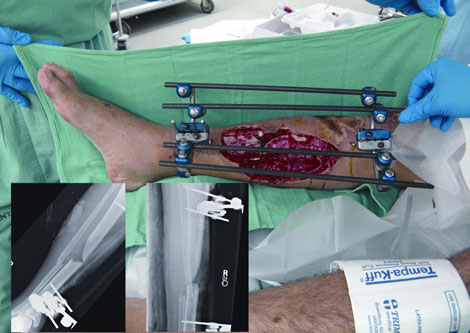
Combat Orthopedic Surgery: Lessons Learned from Iraq and Afghanistan is a 320 page, 29 chapter powerhouse of a reference book published last month. It’s the first reference book from the two wars of the past decade. It is the skeleton key into the future of orthopedics.
Venerable French (now American) implant supplier Tornier leaps into the public market. Now that they’re officially in the fish bowl with an extra $100 million in the bank, what will they do? We have the answer.

There are some tantalizingly mis-priced and inexpensive orthopedic companies around today. Here are five steps to figuring out who they are and the name of one money manager who put up rock star numbers by investing in orthopedics.

Many spine surgeons are experiencing a sharp rise in insurance company denials for cases that were routinely approved in the past. What are insurers doing? Are these surgeon reports ‘canaries in the orthopedic mine’? Here what’s happening in their words.
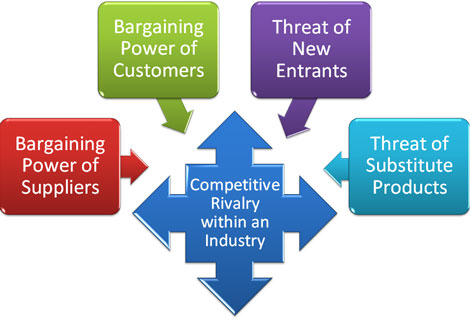
So Smith & Nephew won’t be acquired by either JNJ or Biomet. But does that mean that the urge to merge is still alive and ready to pop out somewhere else soon? We put that accepted wisdom to the acid test this week. The answer might surprise some observers.
Shanghai’s 3rd Annual World Congress of Regenerative Medicine and Stem Cells 2010 left scientists astonished and was more extensive than anything we’ve seen in the U.S. Clinicians from Japan to United Arab Emirates to Portugal to China are incorporating stem cells in their practice in novel and amazing ways. Read on.

This past week two Bloomberg writers took a tour of one spine surgery center’s poor patient outcomes and then connected those outcomes to the surgeon’s lifestyles. It was one of the ugliest attacks on spine since the pedicle screw litigation days. OTW fights back.

Registries in the UK/Wales and Australia have compiled data on more than 1.2 million large joint procedures and implants performed in nearly 700 hospitals with a 98% reporting rate. What can we learn? Read on for the details.

A flash surgeon forum erupted two weeks ago over the proposed Blue Cross policy statement in North Carolina. The ISASS had first alerted surgeons to it, but it was Dr. Slosar’s impassioned email reaction that hit a nerve among spine surgeons. Here’s what happened.

How many types of stem cells can grow bone? Apparently more than we knew. In addition to MSCs and ELAs we now we have PSCs (Perivascular Stem Cell). UCLA and $5 million are committed to bringing this to market. Inquiring minds want to know more.

Which technologies, engineers and inventors received the BEST SPINE TECHNOLOGY AWARDS for 2010? Here they are. Congratulations to the inventors and engineers who’ve taken a dream and through extraordinary effort become the Best Technology of 2010.

SRS was a blast from the past. These attendees were upbeat, fearless and talking technology. Was this 2004? Did ProDisc get sold last week to Synthes for $350 million? Was Charité just going to panel? Nope. It’s still 2010. And in the midst of the angst, is an optimistic and compelling surgeon society.

A new study about surgeon disclosures hits both orthopedic journals and surgeons hard. We dissect the new study and its impact. We think the authors are naïve. They probably think we’re biased. Read on and let us know what you think.
Can the degenerated spine disc be rehydrated? Yes, in four steps. Ok, not easy steps. But at the BioSpine3 meeting September 1-4 last week in Amsterdam a model for rehydrating the spine disc emerged. In addition, another kind of model—a predictive model—also got airplay. Read on for more about the cool stuff that came out of the Netherlands.

Who will control one of the oldest suppliers of allograft products in U.S. medicine? Apparently Medtronic. Just as a dissident group of shareholders was about to force a decision about Osteotech’s future and control, Medtronic arrives like a white knight, pays 65% premium, and takes the company. Why?

Every couple years these European scientists call a meeting to compare BMP and stem cell studies for the spine. Last meeting was 2007 in Leipzig. Their work is qualitatively quite different from the U.S. meetings. Now they are meeting again. In three weeks. In Amsterdam. You should go.

The debate over whether the orthopedics industry is in for a difficult short term versus a more favorable long term based on demographically driven demand is an important one. Here is one way to frame up this debate and get an idea of where we’re heading.
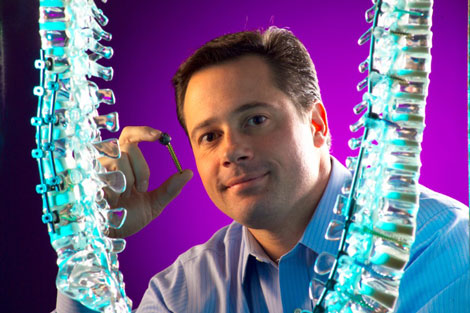
Welsh, Carson, Anderson & Stowe (WCAS)—the largest and most successful private equity firm focused on information/business services and health care—just laid a big bet on spine and selected the Virginia-based upstart K2M as its platform company. Smart money.
The longest and largest prospective study of meniscal allograft transplants was published last week in the UK version of JBJS. Three different measurement systems all said that these patients improve significantly at two, three, five, seven and ten years. Interesting!

Can orthopedics innovate out of today’s reimbursement, pricing and regulatory malaise? If the culture of innovation we saw among the Israeli medical technology companies is any indication, the answer is “yes.” But it could be ego bruising to today’s industry leadership.

Tornier, the leading supplier of shoulder implants, has formally declared its intention to “go public.” Leaping into the public markets these days is not unlike deciding to swim in shark infested waters. The waters may look appealing, but it's not for the faint of heart.
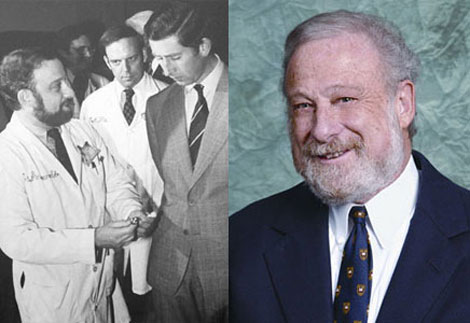
Graying gracefully, Seth Greenwald has become one of the most influential educators in orthopedics. Several thousand surgeons and associated healthcare professionals hone their craft using his panoply of educational tips and tricks. There’s no debate, Dr. Greenwald is a treasure.

Standards of quality, relevance and integrity in medical research are diminished by audience indifference, PowerPoint presentations and the passive voice. Beautiful evidence is hard won and not often found in today’s standard 10-minute flash card presentation. We have the antidote.

If a paper falls in the forest, will CMS hear it? Last week a super abundance of Level One clinical papers with high level comparative effectiveness, MIS and arthroplasty data was presented to a half-empty hall and not a CMS, Deyo, Rosen, or Weinstein was in sight. Figures.

At the intersection of war, orthopedics, and art lives the Soldier in the Pink Dress—an American hero, although she would never agree to that label. Through art, her story was brilliantly told. AAOS honored her, all of our wounded veterans. See how art tells their stories. Please read on.

One in four patients crossing the clinic threshold in 32 states is obese. But the “problem” of the obese patient is both less than expected and, based on a review of the literature, not nearly as critical to clinical outcomes as aging or, interestingly, malnutrition.
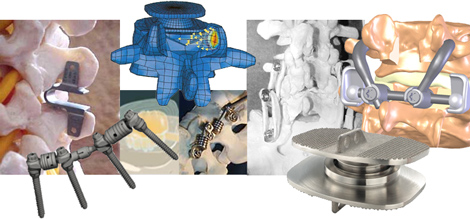
Nature imbued every spine with the ability to move. Both natural and unnatural forces (like trauma or spine fusion surgery) conspire to rob the spine of movement. If motion is good enough for nature, why do we ask this particular question? Here’s why.
The FDA asked for ten years of follow up data when the Birmingham hip was approved. It didn’t take ten years. Data is streaming out and guess which component is posting up the better scores? Yes, it’s that other Memphis company!

Certain acquisitions have the power to change an industry’s trajectory or focus. Looking back in five years, Baxter’s purchase of ApaTech for $330 million may well be ranked along with Danek’s merger with Sofamor, Sulzer’s purchase of Spine-Tech and Synthes acquisition of Spine Solutions as a bellwether deal.

Wound care; it doesn’t do your surgery—it makes your surgery better. With nanocrystaline silver dressings, 1, 000 miles per hour water jets and negative pressure dressings, Smith & Nephew’s Tom Dugan makes a great case that it’s not your father’s wound care anymore.

Are there too many spine surgeon meetings? Or, are there too few good spine surgeon meetings? One that consistently rises to the top is the 2010 Preservation of Motion in the Spine meeting at Duck Key which starts in about three weeks (April 7 – 10).

Fourteen states. Nearly 300, 000 registered patients. Medical marijuana is firmly on the scene. Patients are self medicating for back pain and as an antispasmodic and muscle relaxant. What do we really know and how should physicians deal with medical marijuana patients?
Medafor, the manufacturer of a powder hemostat, metaphorically dumped it on CEO Steven G. Anderson’s head with last week’s strong rejection of CryoLife’s hostile takeover bid. Fully 99% of Medafor’s shareholders have ignored CryoLife’s appeals. Read more.
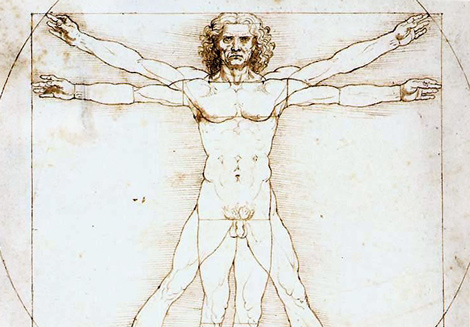
Recent high profile failures of medical technology start-up firms drives home some important lessons. Namely the key to successful medical technology investing is NOT in the technology it is in the cheap SOB running the company.
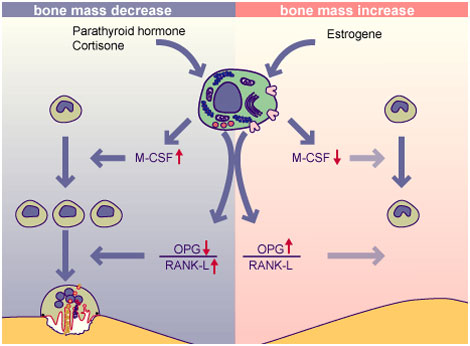
Using mesenchymal stem cells (MSC) derived from bone-marrow, University of Alabama researchers report a 90% inhibition of bone carcinoma tumor growth. The study was pretty clever. Check it out.

Last week, CryoLife slammed Medafor against the boards by mailing an open letter to Medafor’s shareholders urging them to override management’s decision NOT to sell to CryoLife. The gloves are off and CryoLife’s Steve Anderson is back in his customary Bad Boy role.

Five years ago, few people realized that stem cell commercialization was imminent. Today five stem cell branded products are on the market and several more are coming fast. What a difference five years makes. Here’s our preview of the New York Stem Cell Summit coming February 16th.
God doesn’t make mistakes. So when a surgeon needs a replacement part—go to the source. Well, maybe. Do we REALLY understand biologics? This week we examine five myths about biologic grafts.

If 2009 was the year of recovery, will 2010 be the year of decline? What should manufacturers, surgeons, and providers expect in the New Year? On balance, we think there is more cause for anxiety than optimism. But then, like most prognosticators, we’ve been wrong before. Check out our analysis here.

Ten years ago Japanese researchers announced a remote control device for spinal distraction. Recently, an Irvine, California, company funded by a Japanese venture firm, announced an updated version of this remote control scoliosis technique. It’s pretty subarashii (“awesome”).

For 576 days, ArthroCare was a company without reported sales, expenses or earnings. The silence ended November 18, 2009. How did ArthroCare’s stock perform without reported sales or earnings or a main stream trading venue like NASDAQ? Improbably, the share prices rose 354% or $420 million in total market value.

Is the good old US of A becoming a kind of bedroom community for medical technology? They sleep here, but go to work in Europe, China or Latin America. Don’t look now, but U.S. medical innovation is increasingly gone, baby, gone. Why? Read our take here.

The Best Spine Technologies of 2009 were officially christened this past Monday night in San Francisco. Under the soaring chandeliers 200 attendees celebrated innovation, engineering and a relentless drive to improve spine care. Here are the winners!

Systemic healthcare reform is happening regardless of any legislation in Washington. What is, in effect, passing for organic reform is really risk shifting from the insurance companies to hospitals and from hospitals to patients and manufacturers. Stay tuned―it’s coming to a hospital near you.

This year’s Nobel Prize in Medicine went to cellular researchers, and it came the same week as a number of other interesting stem cell news items hit the wires—including the first 20-year follow-up data for stem cells. All in all, the industry continues to percolate.

From John the Elder’s deer skin NDA in 1216 to today’s modern global document, the NDA has been in a strong bull market for decades. We detail why the bull has been running in NDAs for so long. For the details, read on.

Orthopedic Pork Barrel? How about a government-funded program to increase customers? AdvaMed, virtually every major orthopedic manufacturer and others are lining up against it? Maybe we’re missing something, but we think this is an opportunity for the industry.
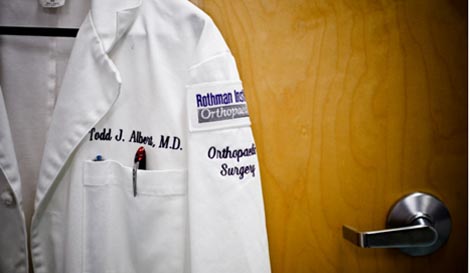
This is a special edition of Orthopedics This Week. This issue, while still having breaking news, is devoted to the foundation of our industry—the physician/patient dynamic. To illustrate the elemental importance of that relationship we followed one of the busiest surgeons in America through a typical 14-hour day. We were graciously allowed access to morning meetings, patient rounds, office meetings with patients and colleagues and, of course, surgery. At a time when the national and water cooler debate is about our system of delivering and paying for healthcare services and technologies, this photo essay brings us all back to what’s really important—namely taking care of BOTH the patient and the surgeon. We hope you enjoy this remarkable and insightful photo essay. Please let us know what you think.—Robin Young, Publisher, Orthopedics This Week.

Sales up 10%—beats forecasts; earnings up 17%—beats forecasts; debt repayments ahead of schedule. In the past 10 months, Orthofix has begun looking suspiciously like a wealth-producing engine. OFIX? Seriously, OFIX?

We received an anonymous letter at the offices of Orthopedics This Week this past week. The return address was just a name―“Dr. Jeff Wang”. The author was anonymous. But his/her subject wasn’t. The author’s words were incendiary. Not UCLA’s finest hour. Details here.

The courtroom is not a warm and fuzzy place for Medtronic. Globus has to pay $2 million, but that’s less than Medtronic hoped for and there is no injunction. Then there was the DePuy ruling, the BrainLAB ruling and the Synthes ruling. What is the latest and why?

New York’s Hospital for Special Surgery is the #1 orthopedic hospital in the United States according to our composite ranking using HHS patient surveys, the U.S. News and World Report survey, and research from the Leapfrog Group for Patient Safety. All 50 top-ranked hospitals are here.

Andrew Miclot, the former President and CEO of Ascension Orthopedics and prior to that, a senior exec at Orthofix, Symmetry Medical, DePuy, and Zimmer, is the new Senior Vice President and General Manager of ArthroCare’s Ear, Nose and Throat business.

Could we, in the midst of what increasingly appears to be wholesale revamping of healthcare delivery in the United States, be getting to a Call for Craft? Perhaps, but one thing we know for certain: The best way to predict the future is to create it.

Not ONE patient has been cured with embryonic stem cells. Adult stem cells, on the other hand, have been documented to have “cured” disease in thousands of patients. And fusions. And fracture repairs. And yards of nerve expansion. For details, read on.

As medical tourism enters the mainstream of health care, Mexico could well emerge as America’s healthcare safety valve with both patients AND physicians taking their business across the border.

“I have your shit!” said the ransom note and with that 8.3 million patient records were being held for $10 million in ransom by one or more soon-to-be caught hackers. This time truth is almost stranger than fiction.

From 1987 and 2006, Medicare cut hip replacement fees 69%. But services increased 60%! How long can this trend continue? Not much longer. What's the most important thing you can do? Read on.
With 238 subsidiaries and 118, 700 employees, JNJ is one of the most complex enterprises in the world. If JNJ were a country it would be the 60th largest. Has the time come for radical decentralization? Could be. Read on.

Orthopedic company executives and directors are the ultimate insiders. What they buy (or sell) can signal good news coming or, more interestingly, just the reverse. Who is buying and who is selling? We have the surprising answers!

For about 10 years, one man was probably the best known surgeon and entrepreneur in the spine industry. His name was (and remains) Art Steffee, and he was the founder of AcroMed Inc.