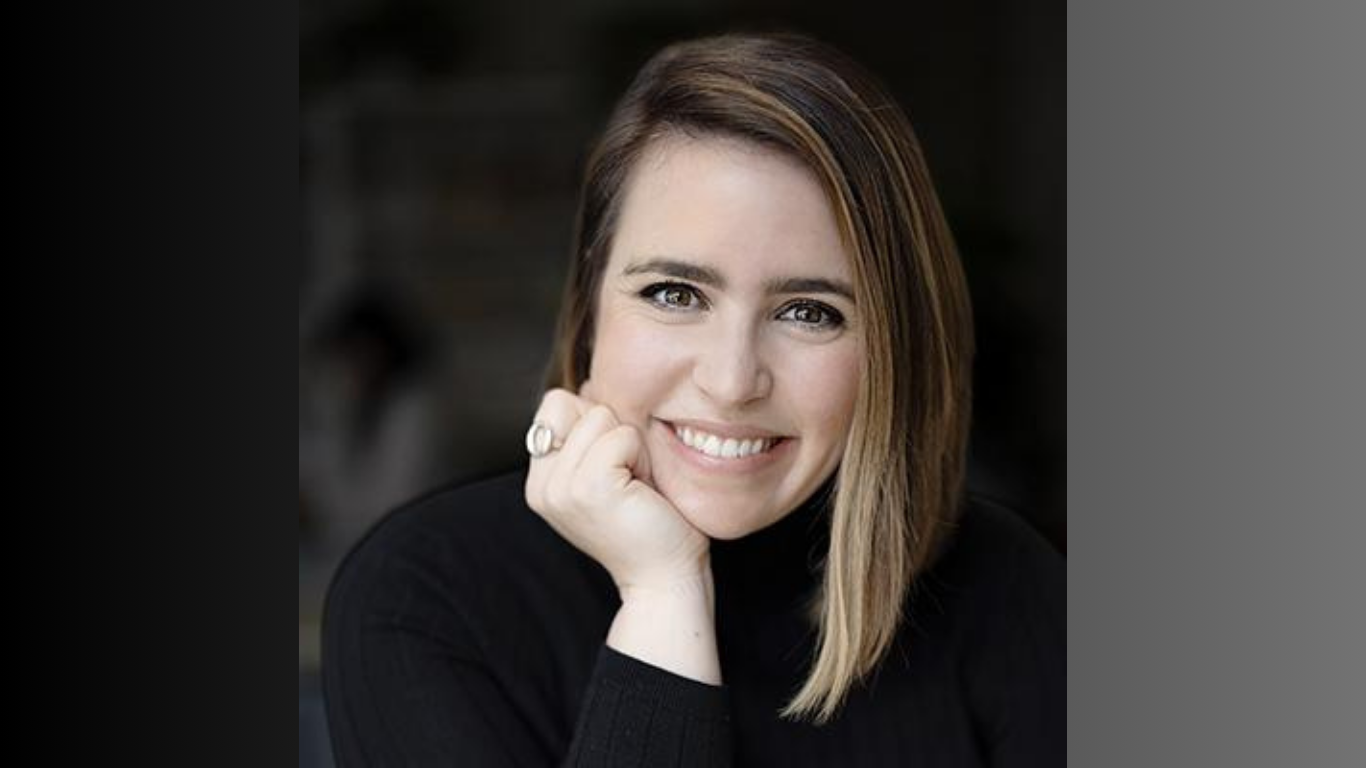
The 2026 New Emerging eXperts in Translational Science (NEXT) Award was granted to Kelsey H. Collins, Ph.D., for her research on the role of fat tissue as a contributor to osteoarthritis (OA).
Traditionally, OA has been viewed as a “wear and tear” condition associated with aging.
However, Dr. Collins’ translational research suggests that OA may instead be a systemic disease influenced by metabolic and immune factors, with adipose tissue playing a key role in disease development and pain. She received the award during the American Association of Orthopaedic Surgeons (AAOS) Annual Meeting in New Orleans.
Osteoarthritis is the most common form of arthritis and occurs when cartilage that protects the ends of bones gradually deteriorates, leading to pain, stiffness, and reduced mobility.
OA affects more than 32.5 million Americans, particularly individuals over age 50 and those with previous joint injuries. Although there is currently no cure, treatments can help manage symptoms. The economic burden of OA is significant, with estimated costs in the United States exceeding $136 billion annually.
“From a very young age, my mother struggled with an aggressive form of arthritis. At one point, she was told that she'd be wheelchair-bound, but biologic drugs changed her life,” said Dr. Collins. “I saw how the functional limitation and pain are what really matter to patients, and pain is something they must live and navigate with until they get a total joint replacement, or new solutions are created. As someone who struggled with knee injuries themselves, I wondered why there were not biologics or other therapies for OA. This gap in understanding, and the opportunity to think about biologic development for OA, was a space that I was very interested in when I started my career in research.”
Dr. Collins began investigating the relationship between obesity and osteoarthritis during her Ph.D. training at the University of Calgary under the supervision of Walter Herzog. She later continued this work during her postdoctoral training with Farshid Guilak. Her research focuses on how adipose tissue contributes to joint degeneration and pain.
Early studies suggested that obese mice lacking the hormone Leptin were protected from osteoarthritis. While leptin is known for regulating appetite and satiety, it also has inflammatory effects that may contribute to joint damage.
To explore how fat tissue affects joints, Dr. Collins and her team developed animal models that mimic obesity and joint injury. In a rat model of diet-induced obesity, animals were fed a high-fat, high-sucrose diet similar to a typical Western diet. Researchers found that rats developed joint damage even without injury, indicating that metabolic changes associated with diet alone could contribute to OA.
The rats responded differently to the diet: some gained significant fat without large increases in body weight.
Researchers discovered a strong correlation between body fat percentage and the severity of joint damage, measured using the Modified Mankin Score. This finding suggested that the connection between obesity and OA is not explained solely by mechanical stress on joints but may also involve metabolic and inflammatory signals from fat tissue.
To further investigate this relationship, Dr. Collins’ team studied mice with lipodystrophy, a condition characterized by the absence of fat tissue.
Although these mice showed metabolic abnormalities, they were protected from cartilage damage and pain after joint injury. When small fat grafts were introduced, susceptibility to joint damage returned. This experiment demonstrated that signals released from adipose tissue contribute directly to joint degeneration.
These findings support the idea that osteoarthritis may be influenced by systemic factors involving fat-derived signaling molecules and immune responses. Dr. Collins hopes her research will lead to new biologic therapies and regenerative treatments that target these pathways to improve outcomes for patients with OA.
Funding for the NEXT Award is provided by the American Academy of Orthopaedic Surgeons and the Orthopaedic Research Society.