
Lynn Peterson, who, in our opinion, is one of the best reporters in medicine today, just wrote an outstanding overview of the information available from China, CDC and others regarding COVID-19 (aka: coronavirus).
New COVID-19 Data From China, CDC and Others
2 min read Premium comments
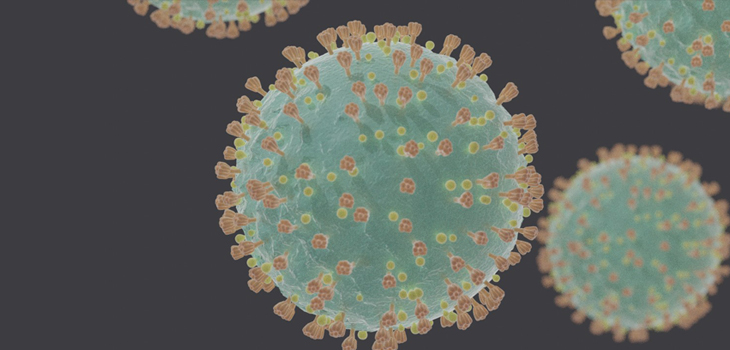
Secondary#covid19
Peterson attended the virtual Conference on Retroviruses and Opportunistic Infections (CROI). Of course, the conference was all about Covid-19.
We won’t tell you everything Lynn wrote. It is available from her publication, Trends-in-Medicine[1]. But here are some highlights from her article today.
Highlights From Peterson’s Report
As Peterson put it: “This special virtual session on Covid-19 at CROI was probably the very best briefing anyone in the U.S. has given since the beginning of the Covid-19 outbreak—caused by the SARSCoV-2 (SARS2) virus.”
Speakers from China told the conference that Covid-19 only took 30 days to spread across all of China. Most of the cases (69%) were imported from a single province (Hubei) or close contacts (15%). Peterson quoted the speaker from China as saying, “which suggests low levels of community transmission outside Hubei.” Only 16% had no known exposure history.
The Chinese were able to document that 1%-5% of 38,000 close contacts developed Covid-19 and that transmission was typically driven by family clusters. Household attack rates started at 10% early in the outbreak but fell to 3% with fast, aggressive isolation.
In terms of closed settings transmissions, like nursing homes, schools or prisons, the speaker from China said that it was NOT a major driver—although the fact that schools were closed may have been a factor in the low number.
In China, researchers found no meaningful difference between male or female infection rates. People between the ages of 20-79 made up 94% of infections.
People with Covid-19 typically presented with fever, dry cough, and fatigue. Significantly, a high percentage of these patients also had hypertension, diabetes, respiratory disease, or lung disease. The researchers came back to the connection between Covid-19 and hypertension repeatedly.
Most patients show symptoms within 5-6 days of exposure.
Recovery in mild cases takes 2 weeks. Severe cases take 3-6 weeks.
Human to human transmission is “rampant” worldwide and “superspreaders” are common.
Covid-19 is part of a large, large number of SARS viral strains. And MOST of the SARS viral strains have not been identified so future outbreaks are almost certain. Indeed, Covid-19 is 78% identical to the previous SARS virus.
Approximately 3.4% of the patients with Covid-19 die. For patients over 80 years of age, mortality rates are around 15%. Peterson quoted one speaker as saying, “Pretty much no one is dying under age 15.”
The most common cause of death from Covid-19 is acute respiratory distress syndrome.
Finally, because of the way different SARS-like virus behave and mutate, more than one of the speakers was pessimistic about an eventual vaccine.
Again, for many more details, please visit trends-in-medicine.com.
[1] Stephen Snyder, Publisher
2731 N.E. Pinecrest Lakes Blvd.
Jensen Beach, FL 34957
772-285-0801
Fax 772-334-0856
www.trends-in-medicine.com
TrendsInMedicine@aol.com
Author
React:
Discussion
This is a fascinating development. In my practice we've seen similar outcomes with the revised protocol. The key differentiator seems to be patient selection criteria. Has anyone else noticed the correlation with BMI thresholds?
Great point. I'd push back slightly on the conclusion, the sample size in the cited study is too small to draw population-level inferences. That said, the directional signal is compelling and worth a larger RCT.
We implemented a similar approach last year. Early results are promising but we're still gathering 12-month follow-up data. Happy to share our protocol if anyone is interested.
Join the conversation
Orthopedic professionals are discussing this. Sign in and upgrade to read every comment and add your voice.