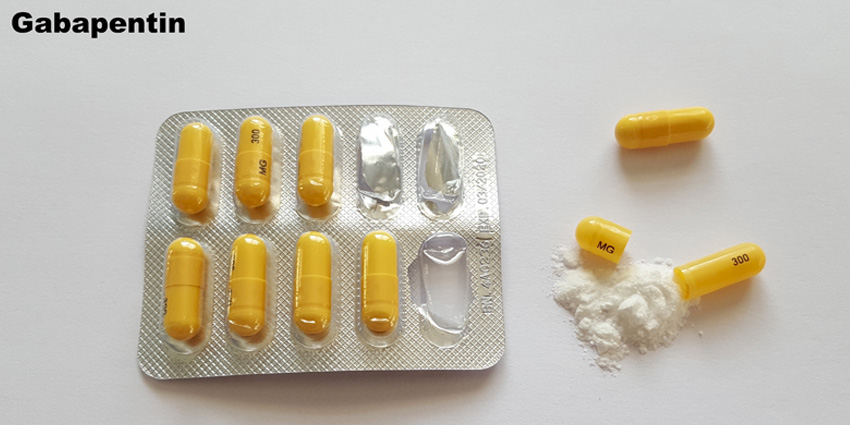
For years, gabapentinoids have been handed out for patients with nerve injury related pain. But a new meta-analysis of four randomized controlled trials suggests it may be time to put down the prescription pad.
The study, “Are Gabapentinoids Effective at Reducing Pain and Improving Sleep After Nerve Injury? A Systematic Review and Meta-analysis,” appears in the July 2025 edition of Clinical Orthopaedics and Related Research.
Cracking the Gabapentinoid Code
Lead investigator Teun Teunis, M.D., Ph.D., from the University of Pittsburgh Medical Center, explained why his team re-examined the literature. “We noticed an increase in prescribing of gabapentinoids for nerve injuries. But some of the previous systematic reviews hadn’t accounted for flaws in trial design — particularly crossovers where patients could figure out whether they were on drug or placebo. That kind of unblinding can inflate positive results.”
In other words, side effects like grogginess and headaches weren’t just inconveniences — they were giveaways. Patients could guess the switch and the data lost its punch.
The Numbers Game
- Total patients: 919
- Gabapentinoids (gabapentin or pregabalin): 402
- Placebo: 394
- Both (crossover trials): 123
Results? Brutal for gabapentinoids.
- Pain relief at 1 month: No difference vs. placebo
- Pain relief at 2–4 months: Still no difference
- Sleep interference: No clinically important difference
And the side effects? Roughly one in three patients had issues — think sedation, dizziness, and cognitive haze. Not exactly what you want in an already struggling nerve patient.
Why the Frenzy Then?
If the data is this weak, how did gabapentinoids become so ubiquitous in nerve injury care? Dr. Teunis points to two forces:
- Good intentions: Surgeons and physicians want to ease suffering, and neuropathic pain can be brutal.
- Not-so-good intentions: Both gabapentin and pregabalin manufacturers have faced penalties for improper marketing and data manipulation, particularly around pain indications.
The Takeaway for Neurosurgeons
The message is clear: gabapentinoids don’t beat placebo for pain or sleep after peripheral nerve injury, but they do bring significant side effects and a risk of misuse.
Or, as Dr. Teunis puts it: “If there is no benefit to taking them, there is just iatrogenic harm.”
So before reaching for that script, consider whether you’re offering patients a helpful tool — or just adding fog to an already cloudy clinical picture.