The Glutes Don’t Lie, Open or Endoscopic!

By pandycopywriting 0 views 0 comments

Advertisement

The Glutes Don’t Lie, Open or Endoscopic!

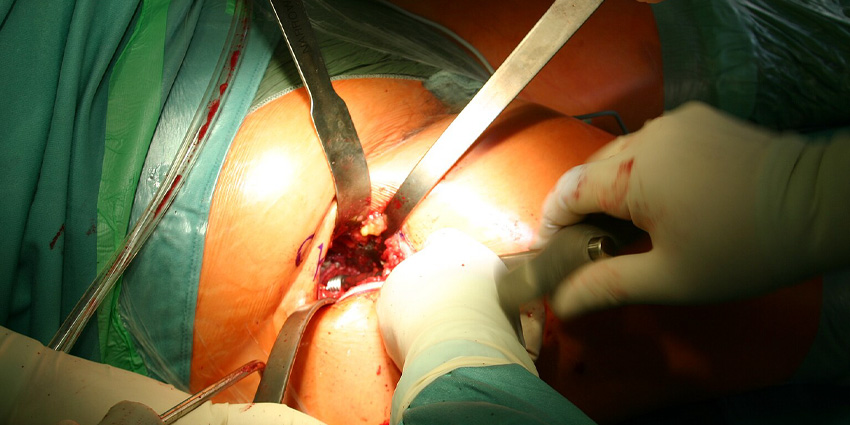
If you’ve ever faced a patient clutching their posterior and pointing vaguely to their butt while describing a constellation of sciatic-like symptoms, chances are you’ve considered piriformis syndrome (PS)—or as it’s now fashionably rebranded, “deep gluteal pain syndrome.”

And if you’ve also debated whether to take the open or endoscopic surgical route to decompress that stubborn sciatic nerve, good news: the latest research shows it might not matter as much as we once thought.

In a newly published review in the August 1, 2025 issue of The Journal of the American Academy of Orthopaedic Surgeons, authors Allison R. Garden, Joshua T. Finerty, and Joshua S. Everhart (a BS-BS-MD trifecta) took a deep dive into 17 studies, compiling outcomes from a total of 386 patients who underwent either open or endoscopic surgery for PS. The review is titled: "Evaluation of the Complications and Outcomes of Endoscopic and Open Surgical Treatment of Piriformis Syndrome"

Their meta-message? Regardless of the surgical route you choose, you’re navigating similar terrain when it comes to outcomes and complications.

Complications: Meet the Gluteal Usual Suspects

The overall complication rate came in at 12.7%, which for gluteal real estate, isn’t too shabby. Persistent pain or lack of symptom relief topped the list at 4.9%, followed by:

  • Recurrence of symptoms: 2.6%
  • Infection or wound complications: 2.3%
  • Hip abduction weakness: 1.6%
  • Posterior femoral cutaneous nerve injury: 1.0%
  • Foreign body reaction (presumably not a surgical souvenir): 0.3%

Notably absent from the guest list? Sciatic nerve injuries—zero reported cases, acute or delayed. That’s a relief for anyone who's stared at the nerve during surgery and whispered, “Just behave…”

Open vs. Endoscopic: No Winner, No Loser—Just Slightly Different Scars

Whether surgeons approached the piriformis through an endoscope or went full-open, complication types and rates were strikingly similar. So, for the orthopedic surgeon weighing “small incision + camera” vs. “direct access and elbow room,” the choice might come down to training, patient anatomy, or just how much you like wearing a headlamp.

One caveat: incomplete tenotomy seemed to correlate with a greater likelihood of persistent symptoms. In short, if you’re going to release that piriformis, go all in. Half-measures in the deep gluteal space just don’t cut it—literally.

The Quality of Evidence: Moderately Shaky but Generally Encouraging

Using the MINORS scoring system (Methodological Index for Non-Randomized Studies—because acronyms are more fun than statistical power), the team found that most of the included studies landed in the “moderate quality” zone. So, while we’re not working with Level I evidence here, the overall vibe is positive: both approaches are safe, effective, and seem to relieve symptoms when the release is complete.

The Takeaway for Your Next Clinic Day

This study affirms what many seasoned orthopedic surgeons have long suspected: both open and endoscopic surgery can be good options for piriformis syndrome, provided you choose the right patient, commit to a complete release, and manage expectations about the possibility of persistent symptoms.

In other words, the gluteus maximus may be large, but our margin for error is not. So, whether you prefer your scalpel work under direct vision or endoscopic finesse, the key remains the same—know your anatomy, cut decisively, and don’t underestimate the tenacious little piriformis when it comes to pinching nerves and causing drama.

So next time someone complains about a literal pain in the butt, rest easy knowing that both surgical roads are paved with pretty comparable outcomes. Now if only someone could invent a surgical fix for exaggerated MRI reports and TikTok medical influencers...

Still unsure whether to scope or open? Remember: it’s not the size of the incision; it’s how you use it.

React:

Comments (0)

Sign in and subscribe to join the discussion.

No comments yet. Be the first to share your thoughts.