
It is all about how they land. The athletes who are most apt to tear their anterior cruciate ligaments are teenage girls. Unlike men and boys who tend to jump and land with their knees in a crouching position, women and girls are more likely to land with straight legs. Though there have been many theories about why more female than male athletes suffer ACL tears, the latest research points to differences in the way they move.
Bad Landings Tear Anterior Cruciate Ligaments
1 min read Premium comments
Secondary
“Girls in their adolescent years are probably somewhere between two and six times more likely to have a cruciate injury than guys, ” says John Klimkiewicz, M.D., head of sports medicine in the Department of Orthopaedic Surgery at Medstar Georgetown University Hospital.
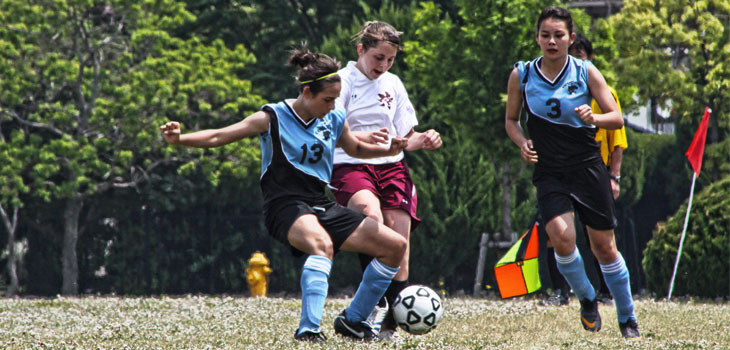
According to Paula Wolfson, writing in North Jersey.com, the sports with the worst record of ACL tears are ones in which girls have to jump, land and pivot a great deal of the time. Klimkiewicz says soccer leads the list, followed by basketball and lacrosse. About 150, 000 ACL injuries occur in the United States each year, according to the American Orthopaedic Society for Sports Medicine.
Author
React:
Discussion
This is a fascinating development. In my practice we've seen similar outcomes with the revised protocol. The key differentiator seems to be patient selection criteria. Has anyone else noticed the correlation with BMI thresholds?
Great point. I'd push back slightly on the conclusion, the sample size in the cited study is too small to draw population-level inferences. That said, the directional signal is compelling and worth a larger RCT.
We implemented a similar approach last year. Early results are promising but we're still gathering 12-month follow-up data. Happy to share our protocol if anyone is interested.
Join the conversation
Orthopedic professionals are discussing this. Sign in and upgrade to read every comment and add your voice.