
JACKSONVILLE, Fla., Sept. 23, 2026 /PRNewswire/ -- Theragen, a Jacksonville, Florida–based medical device company, today announced new data demonstrating how patients' demographics, health histories and surgical techniques may predict their recovery following spinal fusion surgery using a bone growth stimulator. The findings were presented at the Society for Minimally Invasive Spine Surgery (SMISS) 2026 Annual Forum.
Theragen Presents New Data at SMISS 2026 Annual Forum Identifying Predictors of Patient Outcomes Following Use of ActaStim®-S Bone Growth Stimulator
4 min read Premium comments
ActaStim-SstimulationTheragenSMISSbone growth stimulatorspine fusion surgery
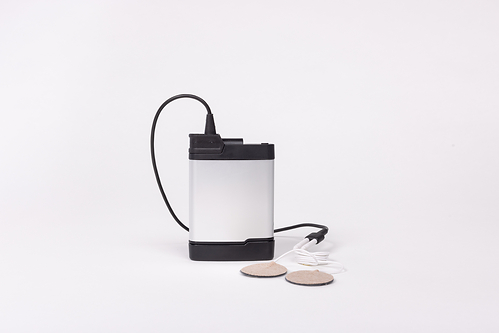
ActaStim®-S uses safe, effective, FDA-approved stimulation technology that’s been prescribed clinically for over 20 years to improve spinal fusion success and help patients get back to the activities they enjoy.
"We set out to build ActaStim®-S, a bone growth stimulator, that does more than deliver therapy. We built it to listen," said Chris McAuliffe, CEO of Theragen and co-inventor of ActaStim®-S. "Across nearly 7,000 patients and almost 200,000 days of recovery data, ActaStim has taught us that recovery after spinal fusion surgery isn't random. It follows patterns. We can now identify which patients need extra support and what a meaningful recovery target looks like."
The patented product, ActaStim®‑S, integrates a clinically proven therapeutic electrical signal with a modern, easy‑to‑wear design and a first‑of‑its‑kind, data‑rich digital health platform. Its small form factor supports continuous, comfortable and discreet wear in real‑world patient settings, enabling longer daily usage and increasing the likelihood of spinal fusion success.
"These findings further demonstrate the potential value of longitudinal, real-world data in helping clinicians better understand each patient's recovery after spinal fusion surgery," said Ryan D. Snowden, MD, an orthopedic surgeon specializing in spine surgery at the Tennessee Orthopaedic Alliance located in Nashville, TN. "Identifying meaningful patterns early may allow care teams to provide more individualized support and help patients remain engaged throughout the recovery process."
Theragen presented the following findings:
Poster 1: Clinical Predictors of Pain Improvement Following Spinal Fusion: SHAP-Based Interpretation of a Machine Learning Model Using Longitudinal Bone Growth Stimulator Data
Bone growth stimulator (BGS) wear adherence emerged as the strongest modifiable predictor of clinically meaningful pain improvement. Predicted improvement increased with daily wear time up to approximately 13 hours before plateauing.
Baseline pain severity was the strongest predictor of achieving minimal clinically important difference (MCID), with patients beginning at higher pain levels having greater opportunity to demonstrate measurable improvement.
Multilevel fusion and transforaminal lumbar interbody fusion (TLIF) surgical approach were associated with a higher likelihood of predicted non-improvement.
Patients tracking below the approximately 13-hour daily wear threshold at six weeks postoperatively could potentially benefit from additional adherence counseling or closer postoperative monitoring.
Poster 2: Machine Learning Prediction of Minimal Clinically Important Difference in Pain Following Spinal Fusion Using Longitudinal Bone Growth Stimulator Data
The machine learning model (XGBoost) outperformed the standard logistic-regression baseline across all reported performance metrics, supporting the value of nonlinear modeling for predicting clinically meaningful pain improvement.
A standardized device-to-electronic medical record (EMR) pipeline achieved 99.2% completeness across approximately 195,000 patient-day observations, demonstrating that real-world BGS data can be integrated for large-scale predictive modeling.
The model achieved a 96.4% negative predictive value, potentially supporting: (a) early identification of patients unlikely to achieve clinically meaningful pain improvement; and (b) the development of postoperative risk-stratification tools, pending external validation.
Poster 3: A Novel, Granular, Longitudinal Dataset Identifies Patient and Surgical Factors Associated with Clinically Meaningful Post-operative Spinal Fusion Pain
Stratified clinical significance tiers (SCST) capture both the magnitude and direction of longitudinal pain change, providing a novel, clinically graded alternative to a single pass/fail MCID threshold.
Several patient-specific and surgical factors were statistically associated with different postoperative pain trajectories. Degenerative disc disease, diabetes and renal disease were associated with improvement at six weeks, while anterior lumbar interbody fusion (ALIF) surgical approach was associated with improvement at six months. Pseudoarthrosis, tobacco use and spinal stenosis were associated with persistent pain.
Although several associations reached statistical significance, effect sizes were generally modest, reinforcing that postoperative recovery is multifactorial.
These findings support the potential value of granular longitudinal BGS data in identifying patient and surgical factors associated with clinically meaningful postoperative pain trajectories and informing future risk-stratification and prediction models.
"ActaStim® isn't just collecting more data. It's translating that data into guidance patients and providers can use," said Chris Mills, Chief Marketing Officer at Theragen. "We've learned that no two spine surgery recoveries look the same. Many factors, including a patient's age, health and surgical technique, can shape a patient's path forward. Our Theragen care team can now help guide that path with real-world evidence."
About Theragen
Theragen, Inc. is a leader in the development and manufacture of non-invasive, electrical stimulation DME products that deliver therapeutic energy to improve fusion success and empower patients to play an active role in their recovery. The company is committed to continuous innovation and expanding our reach to help improve outcomes for more patients. To learn more, please visit actastim.com.
About ActaStim®-S
ActaStim®-S uses safe, effective, FDA-approved stimulation technology that's been prescribed clinically for over 20 years to improve spinal fusion success and help patients get back to the activities they enjoy.1
Media Contact
Dawn Fallon
New Dawn Communications LLC
dfallon@newdawncomms.com
732-771-7808
References
1. U.S. Food and Drug Administration. (2020). PMA P190030: FDA Summary of Safety and Effectiveness Data.
SOURCE Theragen
Author
TH
TJ Halvorson
The De Angelis Group | Orthopedics This Week | MSK Innovations
Why This Matters
Two Perspectives
MBA Lens: Economic and industry impact
Theragen's ActaStim®-S bone growth stimulator leverages a unique digital health platform, integrating real-world data from nearly 7,000 patients to personalize spinal fusion recovery. This strategy aims to differentiate by providing actionable insights, identifying patients needing extra support, and optimizing adherence. The company seeks to expand market reach by translating extensive longitudinal data into practical guidance for providers, enhancing product adoption.
- Strategy focuses on using real-world data and machine learning to offer personalized patient management and risk stratification tools, enhancing product value.
- The device's discreet design and data platform aim to improve patient adherence and engagement, potentially increasing fusion success rates and market adoption.
PhD Lens: Clinical and outcomes impact
Theragen presented new data on ActaStim®-S, an FDA-approved electrical stimulation device, demonstrating how patient demographics, health histories, and surgical techniques predict spinal fusion recovery. Utilizing machine learning on extensive real-world data from nearly 7,000 patients, findings identified bone growth stimulator wear adherence as a strong modifiable predictor of pain improvement, with optimal benefits around 13 hours daily usage.
- Machine learning models, including XGBoost, effectively predicted clinically meaningful pain improvement, outperforming traditional methods and achieving high negative predictive value.
- Longitudinal data revealed specific patient and surgical factors associated with varying pain trajectories, though effect sizes were modest, highlighting recovery's multifactorial nature.
React:
Discussion
This is a fascinating development. In my practice we've seen similar outcomes with the revised protocol. The key differentiator seems to be patient selection criteria. Has anyone else noticed the correlation with BMI thresholds?
Great point. I'd push back slightly on the conclusion, the sample size in the cited study is too small to draw population-level inferences. That said, the directional signal is compelling and worth a larger RCT.
We implemented a similar approach last year. Early results are promising but we're still gathering 12-month follow-up data. Happy to share our protocol if anyone is interested.
Join the conversation
Orthopedic professionals are discussing this. Sign in and upgrade to read every comment and add your voice.