
Following FDA approval earlier this year, U.S. surgeons are adopting the Synergy Disc ® for its motion-preserving design, 6-degree lordotic core, and nickel-free titanium alloy.
Synergy Disc® Reaches 100 U.S. Cases in 100 Days Following FDA Approval, Advancing Motion-Preserving Cervical Disc Replacement in the U.S.
3 min read Premium comments
milestoneFDA approvalcervical disc replacementSynergy DiscSynergy Spine Solutions
The Synergy Disc reached 100 U.S. cervical disc replacement cases within 100 days of its first commercial U.S. procedure, reflecting early surgeon adoption of a motion-preserving alternative to traditional fusion.
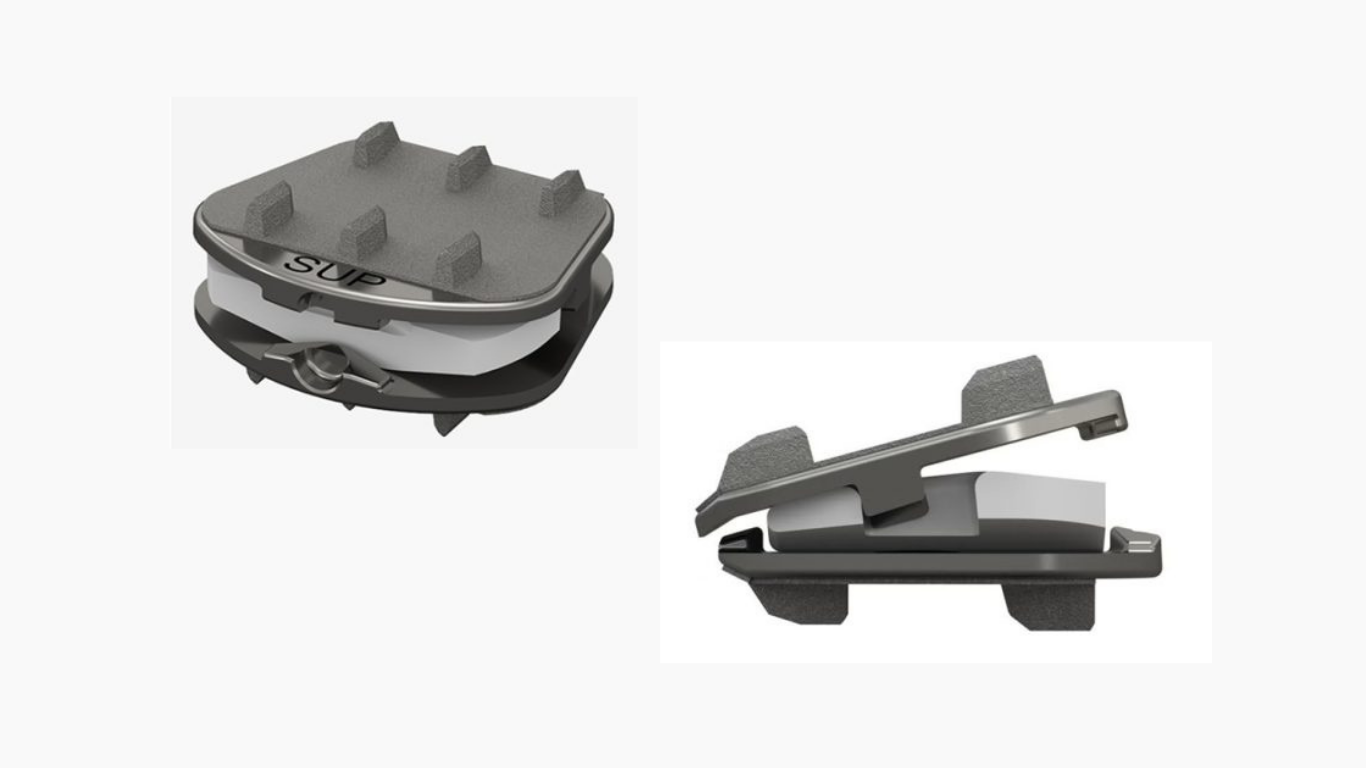
The Synergy Disc is the first and only artificial cervical disc intentionally designed to preserve motion while improving anatomic alignment with its unique 6-degree lordotic core.
Built from time-tested orthopedic materials, including a nickel-free titanium alloy, the Synergy Disc is designed to support reliable procedures, clear postoperative imaging, and broader access for patients with nickel sensitivities.
LOUISVILLE, Colo., July 21, 2026 /PRNewswire/ — Synergy Spine Solutions®, a medical device company focused on improving the quality of life for patients undergoing spine surgery, announced today that its Synergy Disc® has been used successfully in 100 cervical disc replacement surgeries in the United States following FDA approval earlier this year.
The milestone reflects widespread surgeon adoption of the Synergy Disc, the first and only artificial cervical disc designed to intentionally preserve motion while improving anatomic alignment. The device features a unique 6-degree lordotic core to restore the spine’s natural curve and is made from a nickel-free titanium alloy, helping reduce a potential barrier for patients with nickel sensitivities or allergies. Nickel allergy is among the most common metal allergies, with published estimates suggesting that up to 17% of women and 3% of men are allergic to nickel.
“For years, our focus has been on preserving motion because that is fundamental to healthy cervical spine function,” said Dr. Todd Lanman, a spinal neurosurgeon who participated in the Synergy Disc (1-Level) IDE trial and performed the first commercial Synergy Disc procedure in the United States. “As cervical disc replacement continues to evolve, we’re also recognizing the importance of restoring cervical alignment. Synergy combines motion preservation with alignment restoration to better replicate the spine’s natural biomechanics.”
Before receiving approval for use in the United States, the Synergy Disc had been used for more than 10 years across more than 10 countries and implanted in thousands of patients. Clinical data from the company’s U.S. Investigational Device Exemption study showed that the Synergy Disc achieved an 87.1% composite clinical success rate at 24 months, demonstrating superiority to anterior cervical discectomy and fusion, a long-standing traditional treatment for cervical degenerative disc disease. Patients treated with the Synergy Disc also reported lower neck and arm pain scores and higher overall satisfaction compared to the ACDF control group.
“The clinical data behind the Synergy Disc supports what is intuitive to surgeons: cervical disc replacement must preserve motion while also restoring alignment,” said Neil Duggal, MD, Chief Medical Officer of Synergy Spine Solutions. “As more surgeons evaluate cervical disc replacement options, alignment is becoming a central part of the conversation.”
Across the 100 procedures in the U.S., surgeons voluntarily selected the 6-degree lordotic core option in 98% of cases. This strong surgeon preference reinforces the clinical importance of restoring alignment in addition to preserving motion. Earlier this year, the Synergy Disc received FDA Premarket Approval for 1-level indications at C3-C7.
Developed in close collaboration with spine surgeons, the Synergy Disc is built from time-tested orthopedic materials chosen to make procedures as safe, predictable, and reliable as possible. The device reflects a patient-first philosophy prioritizing surgical consistency, clear MRI-compatible postoperative imaging, and helping patients reclaim their quality of life.
“Reaching 100 U.S. cases within 100 days of our first commercial procedure reflects the strong early adoption of our technology and the growing demand among surgeons for cervical disc replacement solutions designed to support both motion and alignment,” said Troy Wahlenmaier, Chief Commercial Officer of Synergy Spine Solutions. “Our focus remains on scaling thoughtfully – supporting surgeons throughout the rollout while expanding access to a technology backed by more than a decade of international clinical experience.”
For more information, visit https://synergyspinesolutions.com/.
About Synergy Spine Solutions
Synergy Spine Solutions® is a medical device company focused on improving the quality of life for patients undergoing spine surgery. The company develops motion-preserving technologies designed to treat degenerative disc disease while supporting the spine’s natural curvature. Its flagship product, the FDA-approved Synergy Disc®, features a built-in 6-degree lordotic core designed to not only preserve motion but also improve sagittal alignment.
Media Contact:
AM Public Relations for Synergy Spine Solutions
synergy@ampublicrelations.com
SOURCE/ IMAGE CREDIT: Synergy Spine Solutions
Author
TH
TJ Halvorson
The De Angelis Group | Orthopedics This Week | MSK Innovations
Why This Matters
Two Perspectives
MBA Lens: Economic and industry impact
Synergy Spine Solutions' Synergy Disc achieved 100 U.S. cervical disc replacement cases within 100 days of commercial launch, signaling strong early market adoption. This milestone reflects growing surgeon demand for motion-preserving alternatives that also restore anatomical alignment, differentiating the Synergy Disc with its unique 6-degree lordotic core and nickel-free titanium alloy, potentially expanding patient access and competitive advantage in the cervical disc market.
- Rapid U.S. adoption (100 cases in 100 days) demonstrates strong market entry and surgeon preference for alignment-restoring features.
- The nickel-free titanium alloy broadens patient eligibility, enhancing market reach and competitive differentiation.
PhD Lens: Clinical and outcomes impact
The Synergy Disc, a cervical artificial disc, achieved 100 U.S. implantations in 100 days post-FDA approval, demonstrating rapid clinical integration. Its design features a 6-degree lordotic core for anatomical alignment and motion preservation, constructed from a nickel-free titanium alloy to mitigate metal sensitivities. Clinical data from its IDE study showed an 87.1% composite success rate at 24 months, superior to ACDF, with improved pain scores.
- The device's mechanism combines motion preservation with a 6-degree lordotic core for improved sagittal alignment.
- Clinical trial data demonstrated an 87.1% composite success rate at 24 months, outperforming ACDF, with a nickel-free titanium alloy for biocompatibility.
React:
Discussion
This is a fascinating development. In my practice we've seen similar outcomes with the revised protocol. The key differentiator seems to be patient selection criteria. Has anyone else noticed the correlation with BMI thresholds?
Great point. I'd push back slightly on the conclusion, the sample size in the cited study is too small to draw population-level inferences. That said, the directional signal is compelling and worth a larger RCT.
We implemented a similar approach last year. Early results are promising but we're still gathering 12-month follow-up data. Happy to share our protocol if anyone is interested.
Join the conversation
Orthopedic professionals are discussing this. Sign in and upgrade to read every comment and add your voice.