
NEW YORK CITY, NY, July 15, 2026 /EINPresswire.com/ — SIGNUS USA today announced the successful completion of the first surgery in the United States utilizing the VertaConnect spinal implant system. The procedure was performed on July 3, 2026, by renowned spinal surgeon Dr. Ngoc-Lam M. Nguyen at Sarasota Memorial Hospital in Florida marking the official clinical debut of this new SIGNUS technology in the United States.
SIGNUS USA® Marks Major Milestone with First U.S. Surgery Using VertaConnect® Expandable Lumbar Spine Implant
1 min read Premium comments
SpinemilestoneTLIFtransforaminal lumbar interbody fusionexpandablelumbarSIGNUS USAVertaConnectspinal implant system
“This milestone marks an exciting step forward in bringing advanced spinal technology to patients in the United States,” said Dr. Ngoc-Lam M. Nguyen. “SIGNUS USA products represent unique and proven technology, and the VertaConnect implant offers meaningful advantages in both surgical efficiency and patient outcomes.”
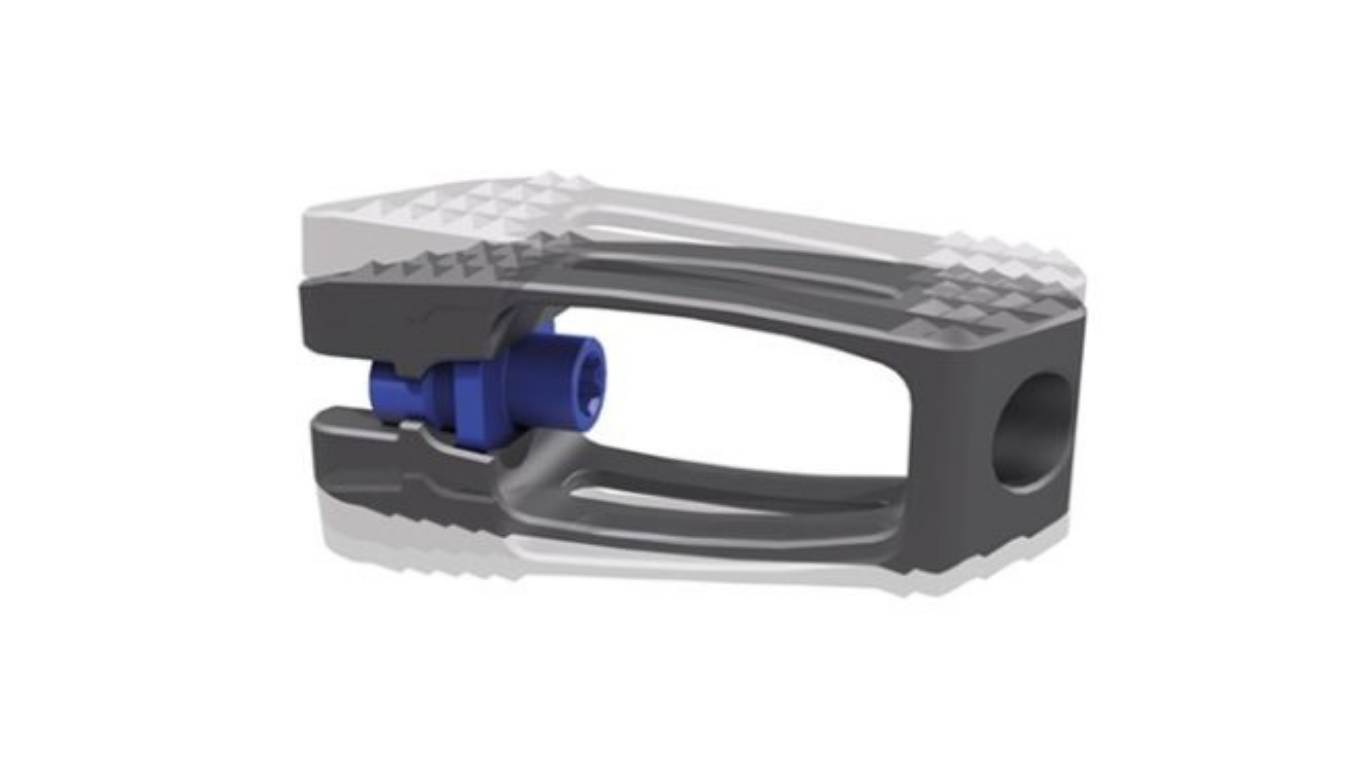
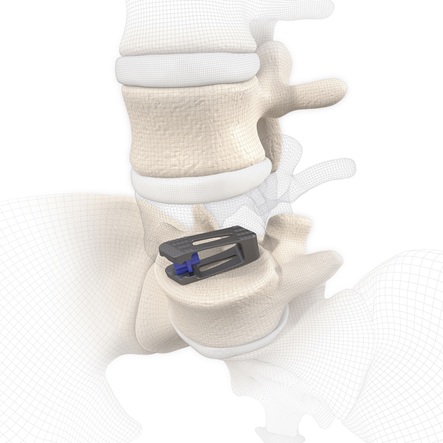
The VertaConnect system is a next generation transforaminal lumbar interbody fusion (TLIF) implant engineered to maximize performance in both traditional open procedures as well as with endoscopic approaches. Its expandable design, large contact surface, and open architecture empower surgeons to achieve superior stability, enhanced osseointegration, and optimal spinal alignment through a streamlined, efficient surgical approach.
SIGNUS USA is the newly established US subsidiary of SIGNUS Medizintechnik GmbH, a Germany-based, family-owned company with more than 30 years of experience in spinal implant design, manufacturing, and innovation. Building on decades of expertise and first-to-market products, SIGNUS USA aims to deliver high-quality, surgeon-focused solutions to the American spine community.
“At SIGNUS, we don’t just develop implants…we build partnerships,” said Mareike Siedler, Chief Executive Officer of SIGNUS USA. “Our mission is to equip surgeons with advanced, dependable solutions that improve patients’ lives and enhance confidence in the operating room. Bringing SIGNUS to the United States is about sharing decades of knowledge, innovation, and trust.”
For more information about SIGNUS USA and its products, visit www.signus.com/us.
Erika Strecker
SIGNUS USA
e.strecker@signus.com
Legal Disclaimer:
EIN Presswire provides this news content “as is” without warranty of any kind. We do not accept any responsibility or liability for the accuracy, content, images, videos, licenses, completeness, legality, or reliability of the information contained in this article. If you have any complaints or copyright issues related to this article, kindly contact the author above.
Author
TH
TJ Halvorson
The De Angelis Group | Orthopedics This Week | MSK Innovations
Why This Matters
Two Perspectives
MBA Lens: Economic and industry impact
SIGNUS USA, the newly established US subsidiary of Germany's SIGNUS Medizintechnik, successfully launched its VertaConnect expandable TLIF system with the first US surgery. This strategic market entry leverages decades of spinal implant expertise, aiming to capture market share by offering advanced technology that promises surgical efficiency and enhanced patient outcomes, thereby intensifying competition in the US spine market.
- SIGNUS USA's market entry introduces a new competitor leveraging 30+ years of German spinal implant innovation.
- The VertaConnect system targets adoption through claims of improved surgical efficiency and patient outcomes in TLIF procedures.
PhD Lens: Clinical and outcomes impact
The VertaConnect system is an expandable transforaminal lumbar interbody fusion (TLIF) implant, clinically debuted in the US. Its design features an expandable mechanism, large contact surface, and open architecture, engineered to maximize stability, enhance osseointegration, and optimize spinal alignment for both traditional open and endoscopic surgical approaches.
- The implant's expandable design, large contact surface, and open architecture are engineered for superior stability and osseointegration.
- It is designed to optimize spinal alignment and improve surgical efficiency in both open and endoscopic TLIF procedures.
React:
Discussion
This is a fascinating development. In my practice we've seen similar outcomes with the revised protocol. The key differentiator seems to be patient selection criteria. Has anyone else noticed the correlation with BMI thresholds?
Great point. I'd push back slightly on the conclusion, the sample size in the cited study is too small to draw population-level inferences. That said, the directional signal is compelling and worth a larger RCT.
We implemented a similar approach last year. Early results are promising but we're still gathering 12-month follow-up data. Happy to share our protocol if anyone is interested.
Join the conversation
Orthopedic professionals are discussing this. Sign in and upgrade to read every comment and add your voice.