
Regulatory Milestone Advances First-in-Class Non-Invasive Technology Targeting a Multi-Billion-Dollar Orthopedic Infection Market
Solenic Medical® Receives FDA IDE Approval to Initiate Pivotal Trial of SOLA-2™ for Periprosthetic Joint Infections
3 min read Premium comments
IDESolenic MedicalInvestigational Device ExemptionSOLA-2 Alternating Magnetic Field (AMF) Systemperiprosthetic joint infections
Clinical Site Activation Across Leading Centers in the U.S. and Patient Enrollment Expected to Commence in Second Half of 2026
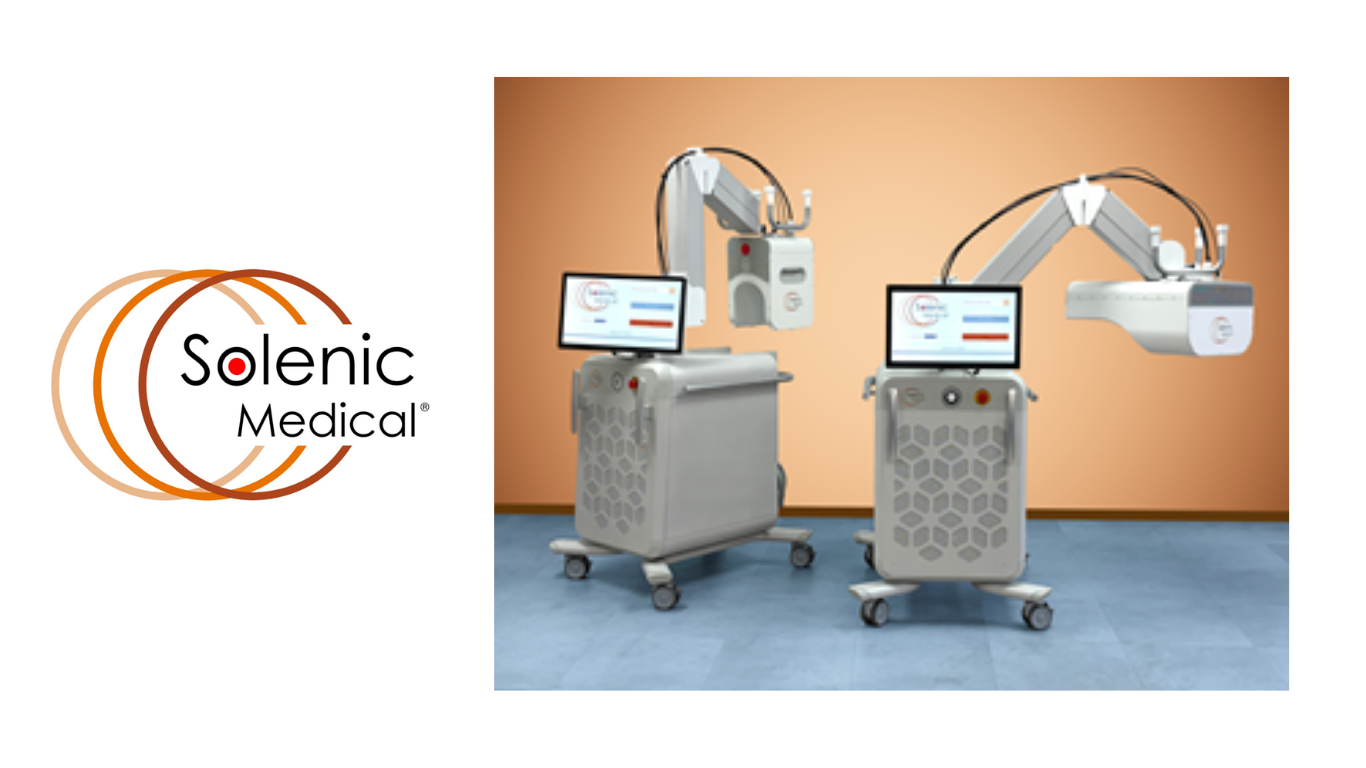
DALLAS, June 23, 2026 (GLOBE NEWSWIRE) -- Solenic Medical, a pioneering medical device company focused on developing a non-invasive treatment platform for advanced implant infection care, today announced that the U.S. Food and Drug Administration (FDA) has approved the Company's Investigational Device Exemption (IDE) application, authorizing the launch of a pivotal clinical trial for its SOLA-2™ Alternating Magnetic Field (AMF) System in patients with periprosthetic joint infections (PJI).
This approval represents a major value-building inflection point for Solenic, enabling the Company to initiate the clinical study intended to support future FDA marketing authorization for what could become the first non-invasive treatment designed to help eradicate biofilm on infected orthopedic implants. The pivotal study will evaluate the safety and effectiveness of SOLA-2 in patients with infected knee replacements through enrollment at leading national orthopedic and academic centers, and is expected to serve as the foundation for future regulatory submissions.
"FDA IDE approval marks a pivotal milestone for Solenic Medical and validates years of scientific and clinical development," said Bart Bandy, Chief Executive Officer of Solenic Medical. "We believe SOLA-2 has the potential to fundamentally transform how periprosthetic joint infections are treated and generate the positive clinical evidence needed to bring a potentially paradigm-shifting technology to patients, physicians, and healthcare systems worldwide.”Periprosthetic joint infections are among the most serious and costly complications in orthopedics, with hip, knee, and shoulder PJI imposing an estimated global healthcare cost burden of over $6 billion annually, with projections exceeding $15 billion per year by 2035. These infections often require multiple surgeries, prolonged hospitalization, extended antibiotic therapy, and in many cases removal and replacement of the infected implant. Despite this significant clinical and economic burden, treatment options have remained limited with meaningful failure rates and relatively unchanged for decades. SOLA-2 leverages Solenic's proprietary AMF technology to precisely heat the outer surface of metallic implants and disrupt bacterial biofilms, the underlying driver of implant infections, avoiding implant removal.
“Periprosthetic joint infection remains one of the most challenging problems in arthroplasty care,” said Antonia Chen, M.D./M.B.A. Chair and Professor Department of Orthopedic Surgery; President, American Association of Hip and Knee Surgeons; Solenic Medical Advisory Board. “A non-invasive technology designed to safely target biofilm on the entire implant surface would represent an important advancement in infection therapy for patients and surgeons, particularly if it reduces the need for more invasive procedures.”
Solenic previously evaluated the SOLA-2 AMF System in an early feasibility study involving adult patients diagnosed with knee implant infection undergoing debridement, antibiotics, and implant retention, also known as DAIR. The study demonstrated the SOLA-2 performed as intended with no device-related adverse events and helped inform the design of the FDA-authorized pivotal trial, which represents the next major step in Solenic’s clinical and regulatory development pathway.
About Periprosthetic Joint Infections
Periprosthetic joint infections occur when bacteria colonize the area around an artificial joint implant. These infections can be difficult to treat because bacteria may form biofilm on implant surfaces, making them more resistant to antibiotics and host immune response. Current treatment options often involve prolonged antibiotics, surgical debridement, implant retention in selected patients, or staged revision surgery involving implant removal and replacement.
About Solenic Medical
Solenic Medical is a clinical-stage medical technology company developing non-invasive solutions for metallic implant-associated infections. The Company's proprietary Alternating Magnetic Field (AMF) platform, SOLA-2TM is designed to address one of the most challenging problems in modern orthopedics: biofilm-related infections. This innovative approach addresses a critical unmet need in orthopedics, crucial for an aging population and increased patient volumes undergoing total joint procedures. Additional metallic implant applications have been identified and protected under patent. For more information, please visit: https://www.solenic.com
SOLA-2™ is an investigational device and has not been approved or cleared by FDA for commercial use.
Forward Looking Statements
This release contains forward-looking statements regarding clinical development, regulatory pathways, commercialization opportunities, and the potential benefits of SOLA-2. Actual results may differ materially due to risks and uncertainties inherent in clinical development and regulatory review.
Company Contact:
Solenic Medical, Inc.
Jose F. Guzman
VP Strategic Marketing
+1 (877) SOLEN1C (765-3612)
jose.guzman@solenic.com
Investor and Media Contact
Daniel Kontoh-Boateng
DKB Partners, LLC
Tel: +1-862-213-1398
dboateng@dkbpartners.net
A photo accompanying this announcement is available at https://www.globenewswire.com/NewsRoom/AttachmentNg/15487cd7-53e3-486e-b69e-26f78802c22a
Author
TH
TJ Halvorson
The De Angelis Group | Orthopedics This Week | MSK Innovations
Why This Matters
Two Perspectives
MBA Lens: Economic and industry impact
Solenic Medical secured FDA IDE approval for its SOLA-2™ AMF System, initiating a pivotal trial for periprosthetic joint infections (PJI). This marks a strategic milestone, positioning the company to address a multi-billion-dollar market with a non-invasive, biofilm-targeting technology. The system aims to reduce costly, invasive surgeries, offering a potentially paradigm-shifting treatment option for patients and healthcare systems globally.
- PJI represents a significant and growing market, projected to exceed $15 billion annually by 2035, currently burdened by expensive, invasive treatments.
- SOLA-2™ seeks to disrupt this market by offering a first-in-class non-invasive solution to eradicate biofilm, potentially reducing surgical interventions and associated costs.
PhD Lens: Clinical and outcomes impact
Solenic Medical received FDA IDE approval for a pivotal trial of its SOLA-2™ Alternating Magnetic Field (AMF) System for periprosthetic joint infections (PJI). This non-invasive technology precisely heats metallic implant surfaces to disrupt bacterial biofilms, which are resistant to antibiotics. The trial will assess safety and effectiveness in infected knee replacements, building on positive early feasibility data.
- SOLA-2™ utilizes AMF technology to thermally disrupt bacterial biofilms on metallic implants, a key mechanism for overcoming antibiotic resistance in PJI.
- The pivotal trial will evaluate SOLA-2™'s safety and effectiveness in knee PJI patients, following an early feasibility study that reported no device-related adverse events.
React:
Discussion
This is a fascinating development. In my practice we've seen similar outcomes with the revised protocol. The key differentiator seems to be patient selection criteria. Has anyone else noticed the correlation with BMI thresholds?
Great point. I'd push back slightly on the conclusion, the sample size in the cited study is too small to draw population-level inferences. That said, the directional signal is compelling and worth a larger RCT.
We implemented a similar approach last year. Early results are promising but we're still gathering 12-month follow-up data. Happy to share our protocol if anyone is interested.
Join the conversation
Orthopedic professionals are discussing this. Sign in and upgrade to read every comment and add your voice.