
CHARLOTTESVILLE, Va., June 17, 2026 /PRNewswire/ — Icarus Medical, a Charlottesville-based med-tech company focused on advancing orthopedic bracing technology, today announced the successful close of its Series A financing round. Originally targeting $5 million, the round closed oversubscribed at $7.2 million, reflecting strong investor confidence in the company’s technology platform, market momentum, and long-term vision.
Icarus Medical Secures $7.2 Million Series A to Accelerate Growth and Innovation
2 min read Premium comments
osteoarthritisIcarus MedicalSeries A FundingAdonis Joint Distraction Knee Braceunicompartmental
Proceeds from the financing will support accelerated commercialization across the US, continued product development, manufacturing expansion, clinical validation of current devices, and personnel development as the company continues increasing its national presence.
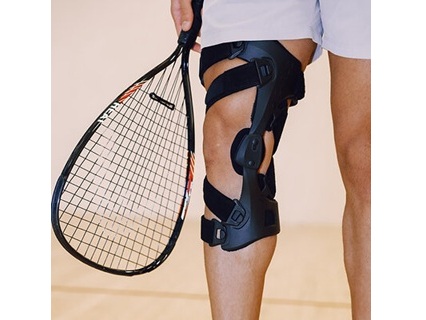
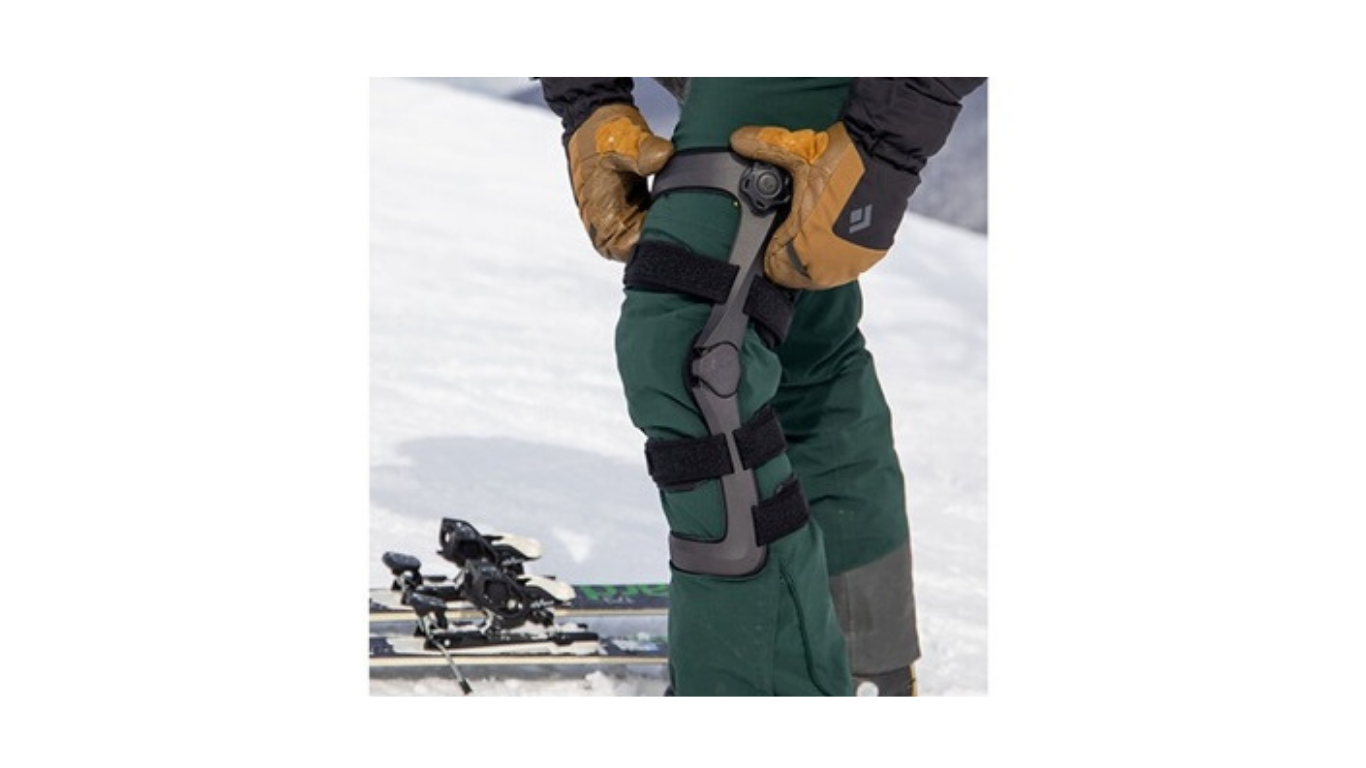
The Adonis Joint Distraction Knee Brace utilizes dynamic joint distraction technology to help reduce pressure within the knee joint for patients with unicompartmental osteoarthritis.
Major investors participating in the round include Riptide Ventures, OSF Ventures, CU Healthcare Innovation Fund, Highpoint Ventures, MedTech Connect, Neovate Capital Partners, and BLU Venture Investors. In addition to capital, these partners bring strategic healthcare, commercialization, operational expertise, and industry relationships that will help support Icarus Medical’s next stage of development.
“This financing represents a major milestone for Icarus Medical and validates both the clinical impact of our technology and the strength of the team we have built,” said Dave Johnson, Founder and CEO of Icarus Medical. “We are excited to partner with investors who not only believe in our mission, but who also bring strategic insight and relationships that can help accelerate our trajectory.”
Founded in Charlottesville, Icarus Medical is developing a new class of orthopedic bracing technologies that combine biomechanics, additive manufacturing, and patient-focused design to help people stay active and mobile while reducing pain and improving function. The company’s technologies include the Ascender Knee Brace for patellofemoral and multicompartment osteoarthritis, along with solutions for post-operative recovery, neurological conditions, and complex lower extremity mobility challenges.
“Our health system’s mission is to serve all persons with the greatest care and love. As we evaluated Icarus Medical, we needed to be confident that its solutions could meaningfully improve the lives of the patients we serve, said Ben Spektor, director of Venture Investments at OSF Ventures. “Through engagement with our clinicians, we quickly validated that conviction and received strong feedback regarding both the significant unmet need and the value of Icarus’ innovative bracing technology. Spektor added, “Icarus is at the forefront of bracing innovation, and we are proud to support the company’s growth while helping expand access to its products across our Ministry.”
Icarus Medical designs and manufactures its products in Charlottesville, Virginia, while continuing to advance its manufacturing capabilities and create new local jobs. Over the past year, Icarus Medical was named to the Inc. 5000 list of America’s fastest-growing private companies after achieving 1,283% three-year growth. The company was also recently recognized with the 2026 CBIC Startup of the Year Award by the Charlottesville Business Innovation Council.
“Healthcare innovation requires more than just great technology. It requires strong clinical alignment, operational execution, and the ability to scale,” said Dave Johnson. “We believe this group of investors positions us extremely well for the next phase of the company.”
About Icarus Medical
Icarus Medical is a Charlottesville, Virginia-based medical technology company focused on developing innovative orthopedic bracing solutions that help patients stay active, improve mobility, and reduce pain. The company combines biomechanics, software, and additive manufacturing to create advanced orthopedic technologies for osteoarthritis, post-operative recovery, neurological conditions, and lower extremity mobility challenges.
For more information about Icarus Medical, visit https://icarusmedical.com.
SOURCE Icarus Medical
Author
TH
TJ Halvorson
The De Angelis Group | Orthopedics This Week | MSK Innovations
Why This Matters
Two Perspectives
MBA Lens: Economic and industry impact
Icarus Medical secured an oversubscribed $7.2 million Series A funding round, exceeding its $5 million target, reflecting strong investor confidence and market momentum. This capital will accelerate US commercialization, product development, manufacturing expansion, and personnel growth. Strategic investors bring crucial healthcare, commercialization, and operational expertise, positioning the company for significant market penetration and competitive advantage in orthopedic bracing.
- Proceeds will support accelerated US commercialization, product development, manufacturing expansion, and personnel development.
- Strategic investors provide capital, healthcare, commercialization, and operational expertise, along with industry relationships.
PhD Lens: Clinical and outcomes impact
Icarus Medical's Series A funding will advance its orthopedic bracing technology, including the Adonis Joint Distraction Knee Brace for unicompartmental osteoarthritis, which uses dynamic joint distraction to reduce intra-articular pressure. The company also develops the Ascender Knee Brace for patellofemoral and multicompartment OA, alongside solutions for post-operative recovery, neurological conditions, and complex lower extremity challenges.
- The Adonis brace utilizes dynamic joint distraction technology to reduce pressure within the knee joint for unicompartmental osteoarthritis.
- Icarus Medical's platform integrates biomechanics, additive manufacturing, and patient-focused design for advanced orthopedic bracing.
React:
Discussion
This is a fascinating development. In my practice we've seen similar outcomes with the revised protocol. The key differentiator seems to be patient selection criteria. Has anyone else noticed the correlation with BMI thresholds?
Great point. I'd push back slightly on the conclusion, the sample size in the cited study is too small to draw population-level inferences. That said, the directional signal is compelling and worth a larger RCT.
We implemented a similar approach last year. Early results are promising but we're still gathering 12-month follow-up data. Happy to share our protocol if anyone is interested.
Join the conversation
Orthopedic professionals are discussing this. Sign in and upgrade to read every comment and add your voice.