
Femoral Head Allografts: Relief Now, Replacement Later?
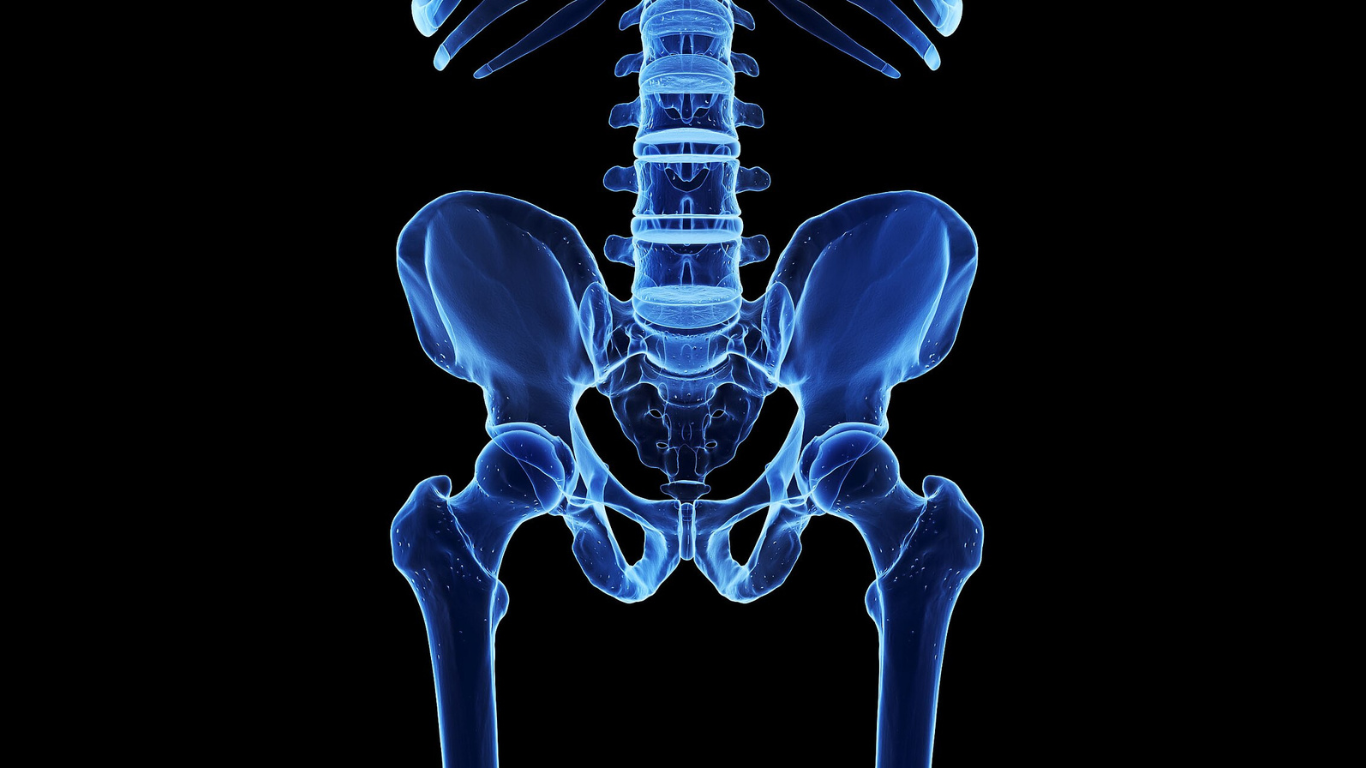
For young patients with femoral head damage, the goal is simple — and often elusive: delay the replacement.
Fresh osteochondral allograft transplantation has emerged as one way to do it. Replace the damaged cartilage and bone with viable donor tissue, preserve the native joint and buy time.
But how much time?
A new systematic review and meta-analysis suggests the answer may be some — but not always enough.
The Promise: Real Symptom Relief
Across 8 studies and 145 hips, patients undergoing fresh osteochondral allograft transplantation of the femoral head consistently improved after surgery.
These weren’t minor gains. Patient-reported outcomes moved in the right direction across the board, regardless of the underlying indication — whether osteonecrosis, osteochondritis dissecans or post-traumatic defects.
And importantly, this is a young group. Mean ages ranged from just 21 to 26.
That’s exactly the population where joint preservation matters most — and where avoiding early total hip arthroplasty is the priority.
The Reality: Failure Is Not Rare
Here’s the tradeoff. Despite clinical improvement, failure rates were not trivial. Individual studies reported failure in nearly 18% to 38% of cases.
When pooled together, the numbers sharpen: about 27% of hips ultimately converted to total hip arthroplasty.
That’s about one in four.
For a procedure positioned as a joint-preserving solution, that’s a obvious risk — especially in patients in their 20s.
Survivorship Tells the Story
Short- and mid-term results look encouraging.
- 2–5 years: survivorship between ~69% and 94%
- 9–10 years: survivorship drops to roughly 62%–67%
That decline over time is the headline. The graft can work. It can relieve symptoms. It can delay arthroplasty. And, for about a quarter of the patient, it doesn’t hold indefinitely.
Not One Disease, Not One Outcome
Part of the challenge is heterogeneity.
These weren’t uniform cases. Indications ranged from osteonecrosis to post-traumatic defects to sequelae of pediatric hip disease.
Different biology. Different mechanics. Different risk profiles.
That variability reflects the complexity of replacing the damaged osteochondral unit and hoping it stay stabilized for a decade or more.
So what is this procedure, really?
It’s a remarkably effective treatment and, long term, for about 38% of the patients, it does become a bridge to joint arthroplasty – but typically not for about a decade.
For the right patient — young, active, not yet ready for arthroplasty — fresh osteochondral allograft transplantation offers a meaningful window of symptom relief and joint preservation.
But it comes with a clear caveat: There’s about a 40% chance that window closes over the coming 10 years.
Origin Study Title Link: Clinical improvement but substantial arthroplasty risk following fresh osteochondral allograft transplantation of the femoral head: A systematic review and single-arm meta-analysis
Authors: Napatpong Thamrongskulsiri, Danaithep Limskul, Thanathep Tanpowpong, Somsak Kuptniratsaikul, Thun Itthipanichpong
Author
Discussion
This is a fascinating development. In my practice we've seen similar outcomes with the revised protocol. The key differentiator seems to be patient selection criteria. Has anyone else noticed the correlation with BMI thresholds?
Great point. I'd push back slightly on the conclusion, the sample size in the cited study is too small to draw population-level inferences. That said, the directional signal is compelling and worth a larger RCT.
We implemented a similar approach last year. Early results are promising but we're still gathering 12-month follow-up data. Happy to share our protocol if anyone is interested.
Join the conversation
Orthopedic professionals are discussing this. Sign in and upgrade to read every comment and add your voice.