
Blood Flow Restriction: Same Cuff. Different Cardiovascular Story
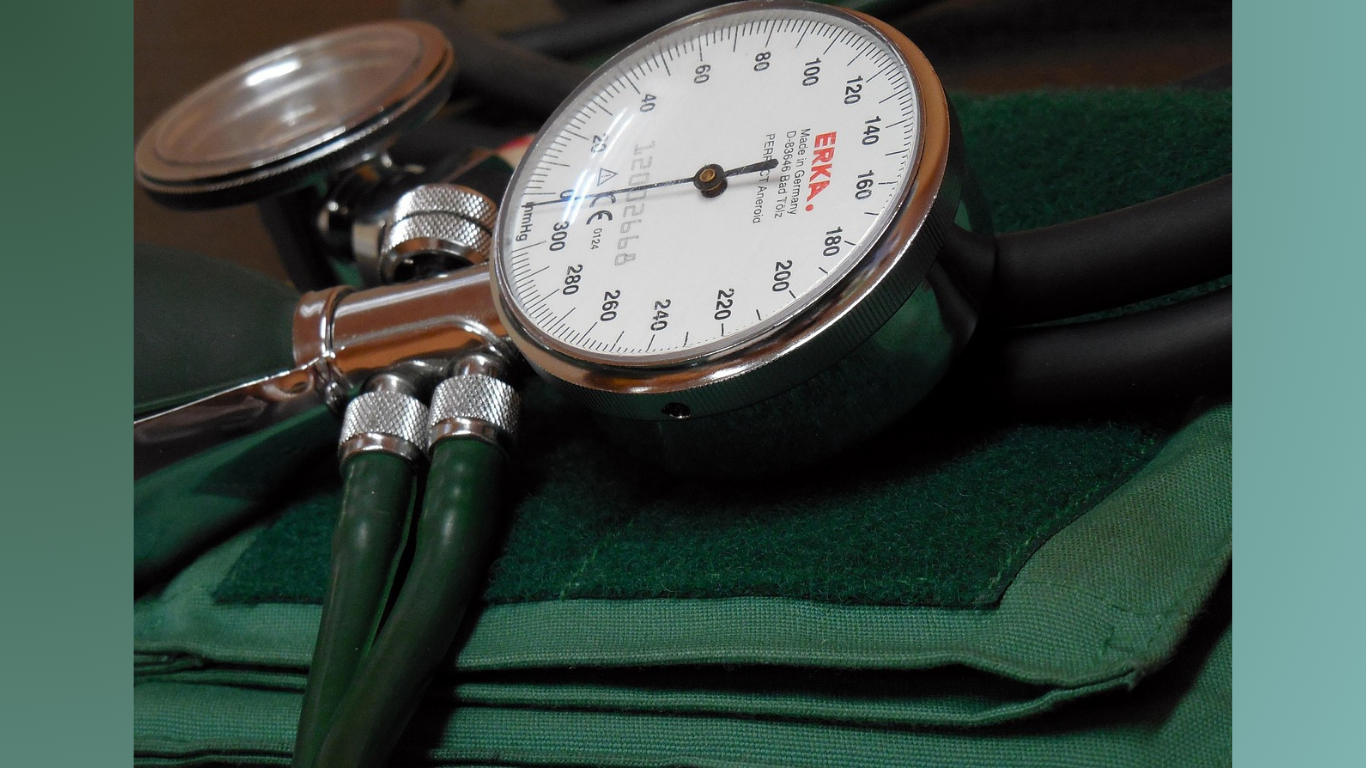
Blood flow restriction (BFR), an integral part of most post-op rehab protocols, lowers loads, reduces joint stress and helps preserve muscle in ACLs, cuffs and total joints.
But…what is BFR doing to the cardiovascular system — and does everyone respond the same way?
A March 2026 study in Medicine & Science in Sports & Exercise examined exactly that in “Interindividual Variability of Acute Cardiovascular Responses to Low-Load Resistance Exercise with Different Methods of Blood Flow Restriction.”
Same Exercise, Two Pressures
Eighty-two healthy young adults were randomized to one of two BFR strategies: Absolute pressure: 100 mm Hg and relative pressure: 80% of arterial occlusion pressure (~128 mm Hg)
Participants performed low-load (30% 1RM) unilateral knee extensions under the assigned pressure. Researchers measured systolic blood pressure (SBP), diastolic blood pressure (DBP) and heart rate (HR) before and after exercise.
The Headline Numbers
Compared with control trials, BFR exercise increased systolic blood pressure +18 mm Hg, diastolic blood pressure +12.8 mm Hg and heart rate +4.5 bpm.
All statistically significant.
The relative-pressure group experienced slightly greater increases in SBP (+4.9 mm Hg) and DBP (+4.1 mm Hg) compared with the absolute-pressure group.
BFR creates an acute cardiovascular response. But averages weren’t the most interesting finding.
The Real Story: Variability
The investigators found true interindividual variability in blood pressure responses. Some people’s pressures jumped more than others — and it wasn’t just measurement noise.
Under relative pressure, those responses were reproducible within individuals. If someone had a larger BP rise in one session, they tended to do so again.
Under absolute pressure, reproducibility was less consistent — which suggests relative pressure may produce more predictable — but slightly greater — cardiovascular stress.
What are the implications for orthopedics?
These study subjects were healthy 21-year-olds. And most BFR patients are post-ACL reconstruction, total joint recipients, older adults with sarcopenia, or patients with hypertension or cardiac history.
An 18 mm Hg systolic bump may be trivial for some — but less so for others.
BFR is not unsafe, rather, the responses to BFR are individualized and somewhat predictable within a given patient, especially with relative pressure application.
Low-load BFR isn’t low-load for the cardiovascular system in every patient.
Acute BP and HR increases are real. They vary between individuals. And under relative pressure methods, those responses tend to repeat.
For most patients, this likely remains clinically manageable. But this study reinforces a simple principle: The cuff isn’t just a muscle tool. It’s a physiologic intervention.
And like most things in orthopedics, it works best when applied with precision — not assumption.
Origin Study Title Link: Interindividual Variability of Acute Cardiovascular Responses to Low-Load Resistance Exercise with Different Methods of Blood Flow Restriction
Authors: HAMMERT, WILLIAM B.; KANG, ANNA; YAMADA, YUJIRO; KATAOKA, RYO; SALLBERG, ROBERT W.; METCALF, EMILY E.; LOENNEKE, JEREMY P.
Author
Discussion
This is a fascinating development. In my practice we've seen similar outcomes with the revised protocol. The key differentiator seems to be patient selection criteria. Has anyone else noticed the correlation with BMI thresholds?
Great point. I'd push back slightly on the conclusion, the sample size in the cited study is too small to draw population-level inferences. That said, the directional signal is compelling and worth a larger RCT.
We implemented a similar approach last year. Early results are promising but we're still gathering 12-month follow-up data. Happy to share our protocol if anyone is interested.
Join the conversation
Orthopedic professionals are discussing this. Sign in and upgrade to read every comment and add your voice.