
A multicenter team has recently published 3- and 6-month data from the largest randomized controlled trial to date on the use of a micro-implantable pulse generator to treat chronic peripheral pain.
3- and 6-Month RCT Data for Novel Nerve Stim Treatment
3 min read Premium comments
Secondary#chronicpain#microimplantablepulsegenerator#peripheralnervestimulation#peripheralneuropathicpain
The resulting paper, “Clinical study of a micro-implantable pulse generator for the treatment of peripheral neuropathic pain: 3-month and 6-month results from the COMFORT- randomised controlled trial,” appears in the May 2024 edition of Regional Anesthesia & Pain Medicine.
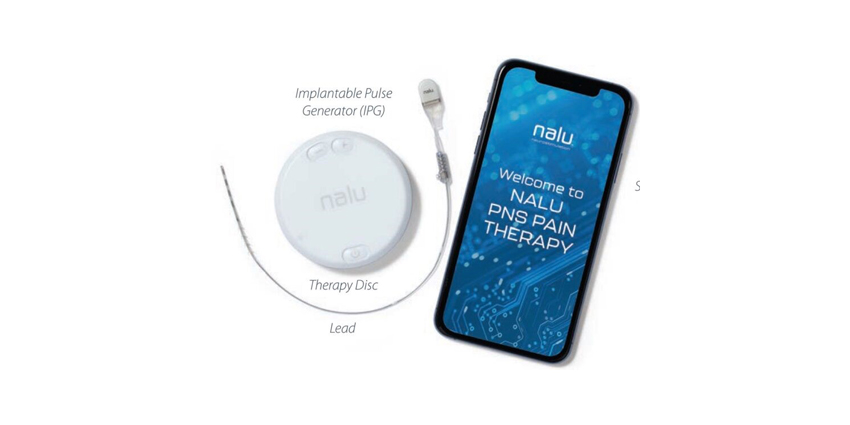
The study, nicknamed COMFORT—Clinical Study Of A Micro-Implantable Pulse Generator FOR the Treatment of Peripheral Neuropathic Pain—used a novel neurostimulation system, which, unlike other peripheral nerve stimulation (PNS) systems, allows for a temporary trial lead placement. The system also gave physicians a broad menu of therapeutic stimulation parameters and waveforms.
The study’s primary end point was effectiveness and safety of peripheral nerve stimulation and conventional medical management versus conventional medical management alone.
Co-author Mehul J. Desai, M.D., M.P.H., chief of the Division of Pain Medicine at Virginia Hospital Center and CMO at Virdio Health, told OTW, “There was an enormous need or gap with regard to the evidence in support of the use of peripheral nerve stimulation in the treatment of chronic pain.”
“While other good studies have been published, a randomized, controlled trial of this size and design was missing. Additionally, there is tremendous pressure from payers to continue to publish high quality studies in this area. We face a number of challenges from payers with regard to coverage in this space.”
OTW asked Dr. Desai to elaborate on “Conventional Medical Management.” “Defining conventional medical management has been a challenge in the pain medicine literature for decades”, said Dr. Desai, “Candidly, there is very little that is standardized. For the purposes of this study, it was defined as ‘the best standard of care for each individual subject, as determined by the investigator.’”
The study enrolled 89 subjects, 58 of whom were randomized to the active arm and 31 to the control arm. The researchers found that peripheral nerve stimulation therapy delivered by a micro-implantable pulse generator device significantly reduced pain and improved functional outcomes in over 80% of subjects treated.
Also, clinical associate professor in the Department of Anesthesiology & Critical Care at the George Washington University School of Medicine,” Dr. Desai added. “The results of this study set a new standard in outcomes for patients treated with peripheral nerve stimulation. An 88% responder rate at six months, with over 70% reduction in pain scores at six months.”
“This study is a large foundational work in the support of the use of peripheral nerve stimulation. It is likely that more patients will be offered peripheral nerve stimulation and specifically this device due to its device-related capabilities.”
Providing background on the research was Patrick Martin, VP of clinical affairs at Nalu Medical Inc., who told OTW that the sponsor of the study was Nalu Medical, the supplier of the tested product. “Nalu is sponsoring two randomized controlled clinical trials (COMFORT and COMFORT 2) in order to generate Level 1 evidence to protect and ensure patient access to appropriate and medically indicated peripheral nerve stimulation therapy.”
“Please note that the study’s pragmatic randomized controlled trial design was intended to mimic the actual clinical care patients receive in the U.S. for chronic pain so that the results would be broadly applicable outside of the study. As such, the conventional medical management that patients received varied based on multiple factors faced in the ‘real world,’ such as patient preference, physician prescribing practices, availability of treatments, and importantly what is covered by a subject’s health insurance company.
“In the U.S., peripheral nerve stimulation is a ‘treatment of last resort.’ In other words, before insurance (private or public) will pay for peripheral nerve stimulation therapy, patients need to exhaust all other treatment options covered by their insurance before they are eligible for peripheral nerve stimulation. This is why subjects were required to have been receiving conventional medical management before their enrollment in the study.”
“From Nalu’s perspective we were struck by:
- The magnitude of improvement seen in COMFORT is magnitudes greater than previous PNS randomized controlled trials for permanently implanted PNS devices.
- That these results—88% responder rate (% of patients who achieved ≥50% pain relief) with an average pain reduction of 70%—are almost identical to published outcomes from Nalu’s nPower U.S. and nPower AUS studies, as well as RWD [real world data].
Related supporting longer-term data on COMFORT and COMFORT 2 has been accepted for the upcoming New York and New Jersey Pain Congress.”
Author
React:
Discussion
This is a fascinating development. In my practice we've seen similar outcomes with the revised protocol. The key differentiator seems to be patient selection criteria. Has anyone else noticed the correlation with BMI thresholds?
Great point. I'd push back slightly on the conclusion, the sample size in the cited study is too small to draw population-level inferences. That said, the directional signal is compelling and worth a larger RCT.
We implemented a similar approach last year. Early results are promising but we're still gathering 12-month follow-up data. Happy to share our protocol if anyone is interested.
Join the conversation
Orthopedic professionals are discussing this. Sign in and upgrade to read every comment and add your voice.