
The U.S. Food and Drug Administration (FDA) has approved a request for a supplemental Biologics License Application for the repair of knee cartilage defects using arthroscopic delivery of the autologous cultured chondrocytes on a porcine collagen membrane.
FDA Approves Arthroscopic Knee Cartilage Repair
1 min read Premium comments
Secondary#maci#verticalcorporation
The request was submitted in October of last year under section 351(a) of the Public Health Service Act. The autologous cultured chondrocytes on porcine collagen membrane are marketed under the brand name MACI®.
According to the company that submitted the request, Vericel Corporation, a biopharmaceutical company based in Cambridge, Massachusetts, MACI is “an autologous cellularized scaffold product indicated for the repair of single or multiple symptomatic, full-thickness cartilage defects of the knee with or without bone involvement in adults.” It “applies the process of tissue engineering to grow cells on scaffolds using healthy cartilage tissue from the patient’s own knee.”
Furthermore, said the company, the supplemental approval will allow the “arthroscopic delivery of MACI to repair symptomatic single or multiple full-thickness cartilage defects of the knee up to 4 cm2 in size.”
Vericel’s CEO Nick Colangelo said, “The approval of MACI Arthro represents another significant milestone in our strategy to provide innovative solutions for patients suffering from pain and dysfunction caused by cartilage defects in the knee.”
Colangelo continued, “MACI Arthro provides orthopedic surgeons and their patients with a less invasive option for MACI administration, which we believe has the potential to significantly increase penetration into the largest segment of the MACI addressable market and will support sustained top-tier revenue growth for the Company in the years ahead.”
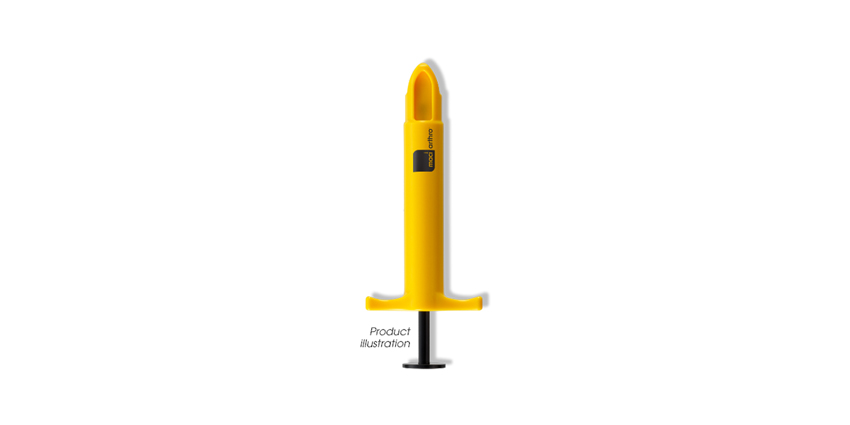
The recently approved MACI Arthro is touted as a less invasive technique when compared to the current method of administration. According to Vericel, MACI Arthro allows “surgeons to evaluate and prepare the defect site as well as deliver the MACI implant through small incisions using custom-designed MACI Arthro instruments.” It is also unique as it is currently the “only restorative biologic cartilage repair product approved for arthroscopic administration.”
Author
React:
Discussion
This is a fascinating development. In my practice we've seen similar outcomes with the revised protocol. The key differentiator seems to be patient selection criteria. Has anyone else noticed the correlation with BMI thresholds?
Great point. I'd push back slightly on the conclusion, the sample size in the cited study is too small to draw population-level inferences. That said, the directional signal is compelling and worth a larger RCT.
We implemented a similar approach last year. Early results are promising but we're still gathering 12-month follow-up data. Happy to share our protocol if anyone is interested.
Join the conversation
Orthopedic professionals are discussing this. Sign in and upgrade to read every comment and add your voice.