
Belgrade, Montana-based Xtant Medical Holdings, Inc., an enterprise focused on surgical solutions for spinal disorders, has entered the wound care market with the full commercial launch of two amniotic membrane allografts, SimpliGraft™ and SimpliMax™.
Xtant Medical Enters Wound Care Market With Two Products
1 min read Premium comments
Secondary#amnioticmembrane#simplimax#xtantmedical
“The launches of SimpliGraft and SimpliMax highlights the strength of our newly revitalized research and development team,” said Sean Browne, president and CEO of Xtant Medical. “We expect our new product launches and robust product pipeline will position Xtant as a leader and innovator in the field of advanced biologic therapies.”
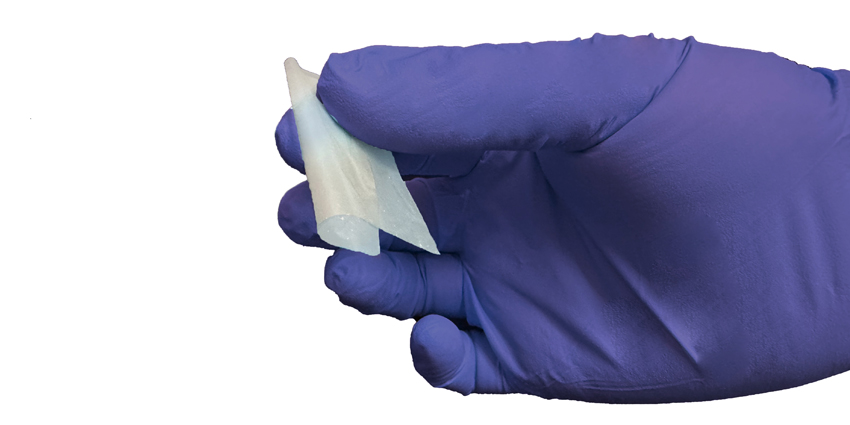
SimpliGraft and SimpliMax are dehydrated, terminally irradiated, single and dual-layer amniotic membrane sheets intended to serve as a barrier and provide protective coverage from the surrounding environment when topically applied to chronic and acute wounds. The products are manufactured at Xtant’s biologics processing facility in Belgrade, Montana.
When OTW asked for details on the dehydration and terminal irradiation, Sean Browne noted, “Our dehydration process is a proprietary preservation method to gently remove the water content from the membrane. This yields a graft with improved handling characteristics and stability over the shelf life of the allograft. The terminal irradiation process is a method to sterilize the graft to a sterility assurance level of 10-6 via low dose e-beam irradiation.”
The plan is for Xtant to market these new products through its nationwide distribution network of independent agents as well as adjacent market segments through original equipment manufacturer relationships.
Browne commented to OTW, “The development and launch of these allografts represent a great achievement for our research and development team and allows Xtant to leverage our biomanufacturing capabilities into additional vertices outside of orthobiologics and spine procedures.”
Author
React:
Discussion
This is a fascinating development. In my practice we've seen similar outcomes with the revised protocol. The key differentiator seems to be patient selection criteria. Has anyone else noticed the correlation with BMI thresholds?
Great point. I'd push back slightly on the conclusion, the sample size in the cited study is too small to draw population-level inferences. That said, the directional signal is compelling and worth a larger RCT.
We implemented a similar approach last year. Early results are promising but we're still gathering 12-month follow-up data. Happy to share our protocol if anyone is interested.
Join the conversation
Orthopedic professionals are discussing this. Sign in and upgrade to read every comment and add your voice.