
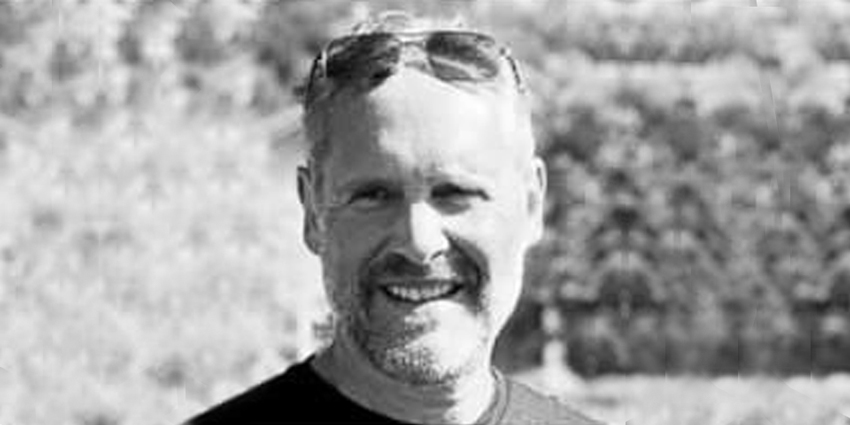
Gregory Lutz, M.D., founder of the Regenerative SportsCare Institute in New York City, and a leading expert in interventional orthobiologics passed away on Tuesday, March 5, 2024, at the age of 61 years old.
Greg Lutz, M.D., Pioneer, Founder and Professor, Dies at Age 61
1 min read Premium comments
Remembrances#obituary#greglutz
Dr. Lutz was a pioneer, inventor, and entrepreneur in the field of regenerative orthopedic medicine.
Dr. Lutz earned his medical degree from Georgetown University School of Medicine in 1988 and went on to specialize in Physical Medicine & Rehabilitation at the Mayo Clinic.
In 1993, he completed an Orthopedic Sports Medicine Fellowship at the Hospital for Special Surgery in New York City and by 1997, he had founded the Department of Physiatry there.
Dr. Lutz was the Hospital for Special Surgery’s (HSS) first Physiatrist-in-Chief from 1997 to 2012. He also established the Spine & Sports Medicine Fellowship at HHS and served as a Professor of Clinical Rehabilitation Medicine at Weill Medical College of Cornell University.
In 2016, he opened the Regenerative Sports Care Institute, a center for regenerative orthopedic medicine in Manhattan.
Lutz pioneered the use of intradiscal biologics and published the first clinical trial on the efficacy of intradiscal platelet-rich plasma therapy for select patients with lower back pain.
He also co-authored more than 60 publications during his career and wrote a book: Heal Your Disc, End Your Pain: How Regenerative Medicine Can Save Your Spine.
Dedicated to helping his patients become pain free, he invented the DiscCath™ medical device and established the Regenerative SportsCare Foundation whose mission is to find a cure for degenerative disease.
He is also the co-founder of Orthobond Corporation which develops antimicrobial nanosurfaces for medical devices.
Lutz is survived by his wife, Paula and his three children, and grandson Kuno, as well as his siblings Mary Bernadette, Michael, and Christopher.
Author
React:
Discussion
This is a fascinating development. In my practice we've seen similar outcomes with the revised protocol. The key differentiator seems to be patient selection criteria. Has anyone else noticed the correlation with BMI thresholds?
Great point. I'd push back slightly on the conclusion, the sample size in the cited study is too small to draw population-level inferences. That said, the directional signal is compelling and worth a larger RCT.
We implemented a similar approach last year. Early results are promising but we're still gathering 12-month follow-up data. Happy to share our protocol if anyone is interested.
Join the conversation
Orthopedic professionals are discussing this. Sign in and upgrade to read every comment and add your voice.