
A new multicenter study has documented a surprising and concerning lack of pre-op nutrition testing for total knee arthroplasty (TKA) patients.
Why Such Low Rates of Pre-Op Nutritional Testing?
3 min read Premium comments
#totalkneearthroplasty#nutritionallaboratorystudies
Indeed, only 2 out of 10,000 TKA patients (0.02%) are tested for zinc despite, as this study demonstrated, orthopedic residents specifically asking for zinc pre-op testing.
- Prealbumin test? 2 out of 100 TKA patients
- Transferrin? 9 out of 100
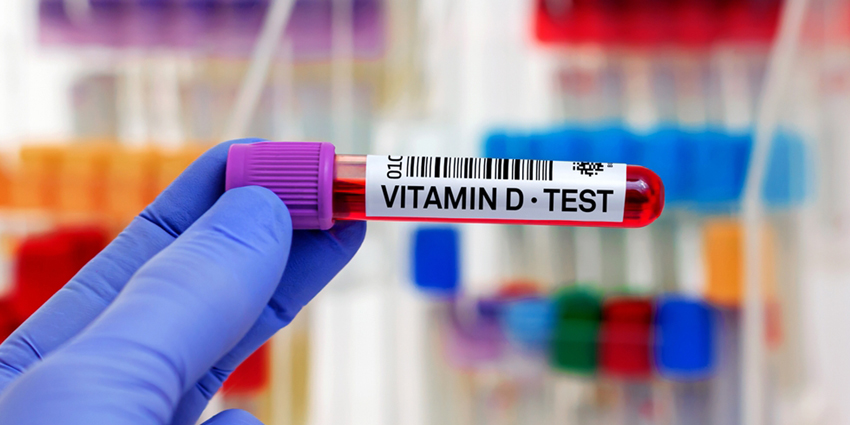
- Vitamin D? 2 out of 100
- Zinc? 2 out of 10,000
This new multicenter study, “Nutritional Laboratory Studies Prior to Total Knee Arthroplasty: Practice Versus Publication,” appears in the December 20, 2023, edition of The Journal of Bone and Joint Surgery.
If, as the study authors maintain, a large percentage of orthopedic surgeons are restricting access to arthroplasty when malnutrition is an issue—then why are there not more surgeons ordering nutritional lab studies before total knee arthroplasty?
Co-author David C. Landy, M.D., Ph.D. explained the issue to OTW, “While there is some low to moderate quality evidence to suggest an association between various markers of nutrition and complications following hip and knee replacement type surgeries, there is little information on how effective nutrition optimization may be at modifying this risk. So, while some articles have recommended assessing nutritional status prior to surgery, it’s unclear how valuable this may be at present. Given this, we were curious if these labs are really being ordered in practice.”
“We were reviewing Orthopaedic In-Training Examination questions with our residents and this question came up on which labs are needed prior to surgery for medical optimization,” said co-author Stephen Duncan, M.D., associate professor, department of orthopaedic surgery, University of Kentucky. “Zinc was the answer and we questioned how often this test was actually performed prior to surgery.”
The researchers looked at 557,670 patients undergoing primary TKA from 2011 to 2020 with a metabolic panel or blood cell count claim within 90 days prior to TKA. They gathered data on prealbumin, transferrin, vitamin D, zinc, blood cell count, and metabolic panels.
The team found that within 90 days before TKA, studies for prealbumin were done in 2.2% of patients; transferrin, 1.9%; vitamin D, 10.2%; and zinc, 0.2%.
From 2011 to 2020, there was a moderate but steady increase in the proportion of patients with claims for prealbumin (change from 0.8% in 2011 to 3.4% in 2020), transferrin (0.8% to 2.7%), and vitamin D (7.6% to 9.4%) laboratory tests but there was less of a change for zinc (0.1% to 0.2%). There were weak-to-absent associations of age, gender, obesity, diabetes, and anemia with laboratory claims.
Dr. Landy noted, “The finding that nutrition labs are rarely ordered prior to knee replacement suggests that we need to better understand how nutrition can be optimized and the extent to which this improves outcomes following hip and knee replacement in order to justify surgeons further incorporating this into practice. While optimizing patients as best possible prior to surgery is important, it is also important that we provide efficient care and do not unnecessarily delay care.”
“The percentage of patients actually getting the nutritional labs performed prior to surgery was extremely low. As we try to optimize patients with obesity, diabetes mellitus, and smoking cessation, we often overlook nutritional deficiencies that need to be addressed to avoid complications such as wound healing or PJI.”
OTW asked Dr. Duncan why so few studies are ordered before TKA. He said, “Education on nutritional optimization is often lacking in our training. We focus on albumin, WBC [white blood count] level, and Hg [hemoglobin]. However, we need to educate clinicians better on obtaining these labs. Also, insurance companies do not require these prior to surgery and until the payers require this, there may not be a huge shift in the number of patients getting evaluated prior to surgery.”
“Physician education is important on this topic both at national meetings and in publications. Correlating treatment of deficient nutritional labs to outcomes will help to drive further adherence to obtaining these on a more consistent basis in the future.”
Author
React:
Discussion
This is a fascinating development. In my practice we've seen similar outcomes with the revised protocol. The key differentiator seems to be patient selection criteria. Has anyone else noticed the correlation with BMI thresholds?
Great point. I'd push back slightly on the conclusion, the sample size in the cited study is too small to draw population-level inferences. That said, the directional signal is compelling and worth a larger RCT.
We implemented a similar approach last year. Early results are promising but we're still gathering 12-month follow-up data. Happy to share our protocol if anyone is interested.
Join the conversation
Orthopedic professionals are discussing this. Sign in and upgrade to read every comment and add your voice.