
The United States Patent and Trademark Office has issued two new patents for a therapeutic stimulator system, patent numbers 11,717,685 and 11,759,637.
Two Patents Issued for Bone Growth Stimulator System
2 min read Premium comments
Secondary#actastim#bonegrowthstimulator#theragen
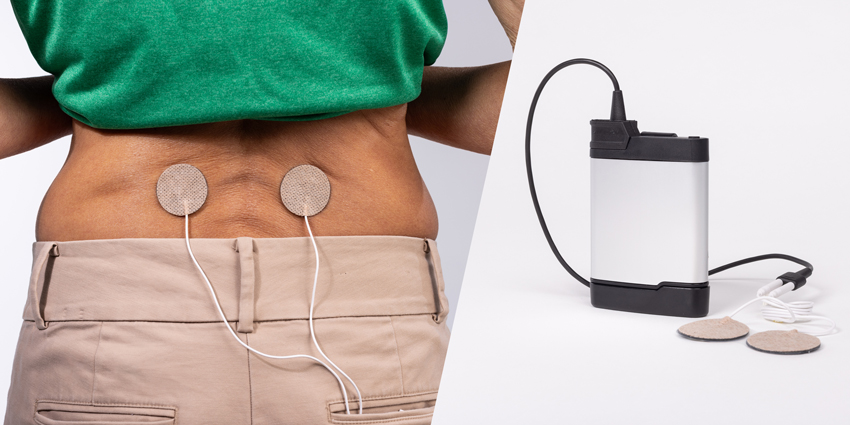
The patents were issued to Theragen, Inc. and are for different elements of Theragen’s ActaStim® bone growth stimulator system.
According to the company’s press release, patent number 11,717,685 “focuses on tracking the intensity level of patient activity together with device usage, comparing this data against the prescribed therapy regimen to deliver insight into the recovery process for patients and surgeons.”
Patent number 11,759,637 “correlates system usage with the patient’s physiology to ensure patient confidence in the ongoing treatment and encourage patient compliance with the therapy regimen.”
OTW spoke with Theragen CEO and President Chris McAuliffe about what sets ActaStim apart from its competition. McAuliffe explained to OTW, “The patient’s healing journey to a successful fusion can take 9 or more months. During that time, patients benefit from support and assurance that they are on the right track. But they also need post-operative therapeutic technology that improves fusion success and guides them through continual improvements in mobility and activity in accordance with their surgeon’s instructions.”
McAuliffe continued, “The ActaStim-S device is the first major advancement in non-invasive spinal fusion bone growth stimulation in nearly 20 years. ActaStim is intentionally designed to improve patient compliance and improve fusion success with clinically proven therapy. It’s the only system that facilitates all-day wear and automatic, daily time-stamped capture of wear time and relative activity levels, combined with pain scores, to better support a successful healing journey.”
Theragen also received a notice of allowance for patent application publication number 2022/0387783. Per the press release, the patent application has “claims of comparing patient physiological data with patient-reported outcome measures, such as post-operative pain level, and to optimize the therapy regimen using this data.” If that patent is issued, it will mean that Theragen will have been issued five patents in just over two years.
OTW also spoke with McAuliffe about the company’s goals for the upcoming year. McAuliffe told OTW, “In 2024, Theragen will achieve significant growth and market share gain in only a few years in this very competitive market. That means thousands of patients and surgeons seeking improved spine fusion outcomes will benefit from our small, compact, wearable device that delivers Level I proven therapy and helps them monitor their progress.”
McAuliffe continued, “In support of this goal, we will continue building a national presence of highly trained sales and customer care professionals who will deliver our VIP Customer Care. Our philosophy of ‘customer care first’ is in our DNA, it always wins the day, and it is helping us earn the support and business of established prescribers who every day are choosing ActaStim over legacy competitive bone growth stimulators.”
Author
React:
Discussion
This is a fascinating development. In my practice we've seen similar outcomes with the revised protocol. The key differentiator seems to be patient selection criteria. Has anyone else noticed the correlation with BMI thresholds?
Great point. I'd push back slightly on the conclusion, the sample size in the cited study is too small to draw population-level inferences. That said, the directional signal is compelling and worth a larger RCT.
We implemented a similar approach last year. Early results are promising but we're still gathering 12-month follow-up data. Happy to share our protocol if anyone is interested.
Join the conversation
Orthopedic professionals are discussing this. Sign in and upgrade to read every comment and add your voice.