
The U.S. Food and Drug Administration (FDA) has granted 510(k) clearance to the use of ZimVie Inc.’s spinal fixation system with BrainLab AG’s spine and trauma navigation system.
FDA Clears ZimVie’s Implant for Use With BrainLab’s NAV System
1 min read Premium comments
Secondary#brainlab#Vitalspinalfixationsystem#zimbiespine
According to the FDA summary document, ZimVie’s navigation system instruments are used during the preparation and placement of the system screws during spinal surgery to “precisely locate anatomical structures in either open or minimally invasive procedures.” The navigation system instruments are designed for use with two software systems. The reference arrays can only be used with one of the two software systems.
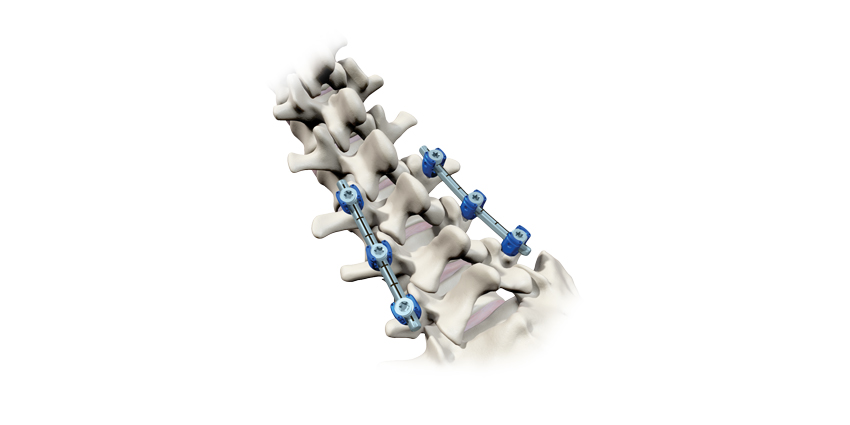
The device is the Vital™ Spinal Fixation System and its instruments. ZimVie Spine is the manufacturer. The predicate device is ZimVie’s Vital Navigation System. The Vital Spinal Fixation System and instruments have been cleared for use with Brainlab Spine & Trauma Navigation software.
ZimVie and Brainlab executed a Development Cooperation Agreement earlier this year. The agreement was the driving force behind the compatibility of Brainlab Spine & Trauma Navigation with the Vital system and also with ZimVie’s Virage system.
According to ZimVie, the plan is to submit a 510(k) application to the FDA for its Virage system in 2024. It is also expected that the first Vital sets will launch in the United States early 2024.
ZimVie Spine Global President Rebecca Whitney said, “This is a positive milestone for both teams and the first of what we hope will be many FDA clearances for compatibility. The strong collaboration between our organizations resulted in an expedited project timeline.”
Whitney continued, “We have been focused on expanding our portfolio with enabling technologies to drive greater adoption, and I am excited to see the team advance toward the launch.”
According to Brainlab, its Spine Navigation system helps surgeons plan and perform spinal surgeries and supports implant placement. It also helps reduce radiation exposure. That compatibility allows “navigation during bone preparation and placement of pedicle screws during spinal surgery to assist the surgeon in precisely locating anatomical structures in either open or minimally invasive procedures.”
Author
React:
Discussion
This is a fascinating development. In my practice we've seen similar outcomes with the revised protocol. The key differentiator seems to be patient selection criteria. Has anyone else noticed the correlation with BMI thresholds?
Great point. I'd push back slightly on the conclusion, the sample size in the cited study is too small to draw population-level inferences. That said, the directional signal is compelling and worth a larger RCT.
We implemented a similar approach last year. Early results are promising but we're still gathering 12-month follow-up data. Happy to share our protocol if anyone is interested.
Join the conversation
Orthopedic professionals are discussing this. Sign in and upgrade to read every comment and add your voice.