
Stephen Pehler, M.D., a Denver-based spine surgeon passed away on October 9, 2023, at the too-young age of 39.
Denver Based Spine Surgeon. Stephen Pehler, M.D., Dies at Age 39
1 min read Premium comments
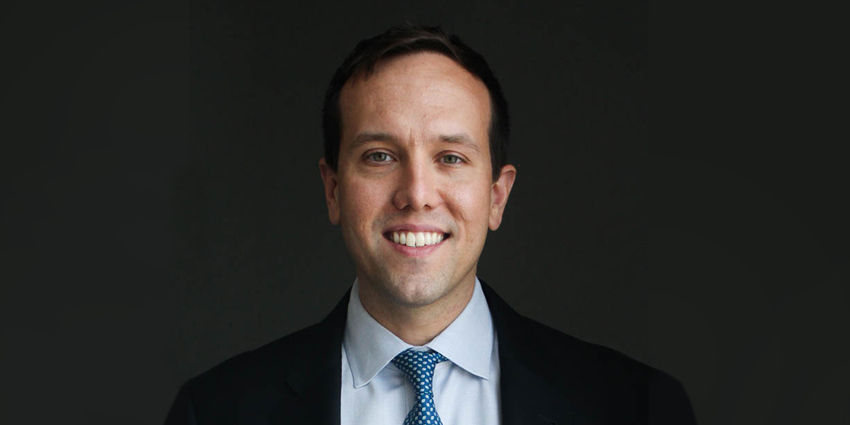
#obituary#stephenpehler
Pehler had a thriving spine surgery practice in Denver, Colorado, becoming a partner just a year after moving to Colorado.
Dr. Pehler’s great goal in life was to become an orthopedic spine surgeon. A gifted student of math and science, he graduated at the top of his high school, university, and medical school classes. He was also an accomplished drummer in high school band and went on to be in the drum line at his alma mater Auburn University.
Over his too short-lived career, Dr. Pehler served a broad range of patients with spinal disorders and was highly regarded by his patients and colleagues alike. His perspectives were sought out by the medical suppliers because, in addition to a sharp mind, he brought innovative thinking to tough spine surgical problems and contributed to advancing the science of spine and orthopedic surgery.
Dr. Pehler earned an undergraduate degree in Biomedical Sciences from Auburn University, then went directly into medical school at University of Alabama, where he was inducted into the AOA medical honors society.
Dr Pehler stayed at the University of Alabama to train in orthopedic surgery at the U of A Birmingham Medical Center.
Dr Pehler then was accepted into the spine surgery fellowship program at arguably the best spine fellowship in the country at the University of Utah in Salt Lake City under the direction of Dr. Darrel Brodke.
Besides his passion for medicine, Pehler, who was born on May 27, 1984, in Port Arthur, Texas, loved music and running—eventually participating in marathons and Iron Man triathlons.
Pehler leaves behind his son Jack, his parents, Frederick and Rebecca and his sister Katie. He also leaves behind his brother-in-law and close friend Anthony and many family members and close friends.
Author
React:
Discussion
This is a fascinating development. In my practice we've seen similar outcomes with the revised protocol. The key differentiator seems to be patient selection criteria. Has anyone else noticed the correlation with BMI thresholds?
Great point. I'd push back slightly on the conclusion, the sample size in the cited study is too small to draw population-level inferences. That said, the directional signal is compelling and worth a larger RCT.
We implemented a similar approach last year. Early results are promising but we're still gathering 12-month follow-up data. Happy to share our protocol if anyone is interested.
Join the conversation
Orthopedic professionals are discussing this. Sign in and upgrade to read every comment and add your voice.