
New work presented at the 2023 American Academy of Orthopaedic Surgeons (AAOS) annual meeting provided evidence that although the number of sports-related injuries is decreasing, the severity of those injuries and the number of head and neck injuries are on the rise.
5 Million High School Sports Injuries – More Severe Than Ever?
3 min read Premium comments
Secondary#highschoolathletes
The study, “Epidemiology of Sports Injuries Among High School Athletes in the U.S.,” found that an estimated 5,228,791 sports injuries occurred nationally.
Lead author Jordan Neoma Pizzarro, a medical student at George Washington University, said, “We are seeing an increase in head and neck injuries, especially concussions, as well as more severe injuries and those requiring surgery. Many organizations have adopted safety equipment and injury prevention guidelines; it is questionable if they are being applied correctly.”
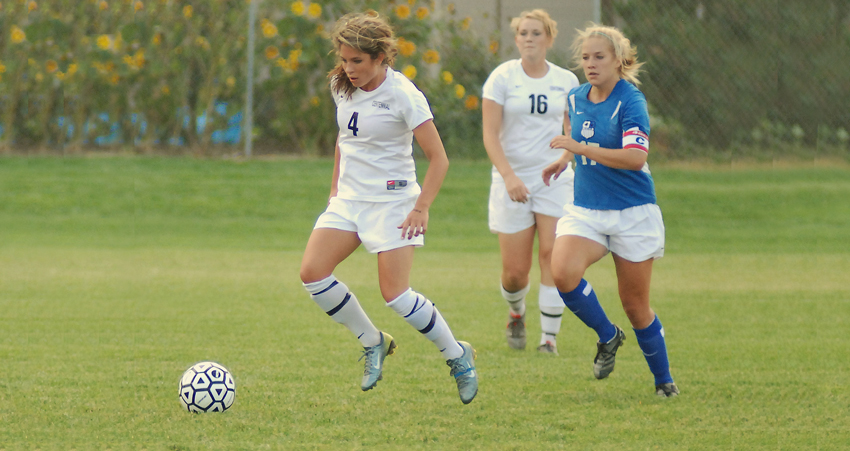
Football, Girls’ Soccer at Top of List
Using the National Health School Sports-Related Injury Surveillance Study, High School Reporting Information Online, the researchers collected and analyzed data from 2015 to 2019. Athletic trainers at the 100 participating high schools reported weekly athletic exposure and injuries for five boys’ sports (football, soccer, basketball, wrestling, and baseball) and four girls’ sports (soccer, basketball, volleyball, and softball). The researchers defined “athletic exposure” as one athlete participating in one practice or competition.
Reportable injuries met the following criteria:
- Injury occurred due to athletic participation in an organized high school sport practice or competition
- Injury required medical attention by a physician or athletic trainer
- Injury resulted in one or more days of restricted participation in the sport
The study revealed that athletic trainers reported 15,531 injuries (6,778,209 exposures), with an overall injury rate of 2.29 per 1,000 athletic exposures. The study also found:
- Football had the highest rate of injury (3.96), followed by girls’ soccer (2.65) and boys’ wrestling (1.56). Football accounted for 44% of all injuries from 2015 to 2019. Boys’ baseball had the lowest injury rate (0.89).
- Boys’ sports had higher injury rates (2.52) compared to girls’ sports (1.56).
- More injuries were seen in competition compared to practice, with football having the greatest risk of injury during competition (6.14) followed by girls’ soccer (4.84). Overall, boys’ sports had a higher relative rate of injury during competition (3.70) compared to girls’ sports (2.96).
- The head/face was the most commonly injured body site (24.2%) followed by the ankle (17.6%) and the knee (14.1%).
- The most common diagnoses were sprains/strains (36.8%) and concussions (21.6%).
- Of all injuries, 39.2% resulted in a time loss of less than one week, and 34% of those injured were out for one to three weeks. Only 7% of injuries resulted in athletes not being able to participate in their sport for more than three weeks.
- Overall, 20.9% of injuries led to medical disqualification for the season or the athlete’s career, the athlete being out for the season, or the athlete’s decision to no longer play the sport.
- Surgery was required for 6.3% of injuries, with wrestling (9.6%), girls’ basketball (7.6%) and boys’ baseball (7.4%) having the highest rates.
When OTW asked why this is the first time the epidemiologic data has been updated since 2006, Pizzarro stated, “I am not 100% sure why it hasn’t been updated. However, many of the more recent studies are focused on one specific sport and seek to answer one specific question. With this study, we wanted to take a step back and look at the big picture. As high school sports have changed over the last 10, 15, 20 years, it is important to look at how overall injury patterns and severity are changing across sports.”
“Given that children at younger ages are becoming more specialized in one sport, many of them are becoming stronger, faster, more competitive and overall better athletes. This has changed the nature of sports, likely making collisions and injuries more severe. Additionally, sports specialization is likely leading to more and more overuse injuries that could have a greater lasting effect on these athletes who are skeletally immature.”
Regarding the most actionable finding, Pizzarro told OTW, “This study gives important data that clinicians can use when counseling parents and their kids about the risks that may come with certain sports. It gives parents information they need to help their child become aware of injuries and what they can do to protect themself. Additionally, prevention efforts and awareness of injury risk is important for coaches. Using this data, clinicians and parents can be advocates for their child’s safety.”
“Sports have many benefits, such as improving adolescents’ physical and mental health and helping them to learn teamwork and discipline. Rather than deterring kids from participating in sports, we should work to improve education regarding the risks. It is also important that we teach kids how to be advocates for their own health by making them aware of symptoms of an injury and how they can protect themselves.”
Author
React:
Discussion
This is a fascinating development. In my practice we've seen similar outcomes with the revised protocol. The key differentiator seems to be patient selection criteria. Has anyone else noticed the correlation with BMI thresholds?
Great point. I'd push back slightly on the conclusion, the sample size in the cited study is too small to draw population-level inferences. That said, the directional signal is compelling and worth a larger RCT.
We implemented a similar approach last year. Early results are promising but we're still gathering 12-month follow-up data. Happy to share our protocol if anyone is interested.
Join the conversation
Orthopedic professionals are discussing this. Sign in and upgrade to read every comment and add your voice.