
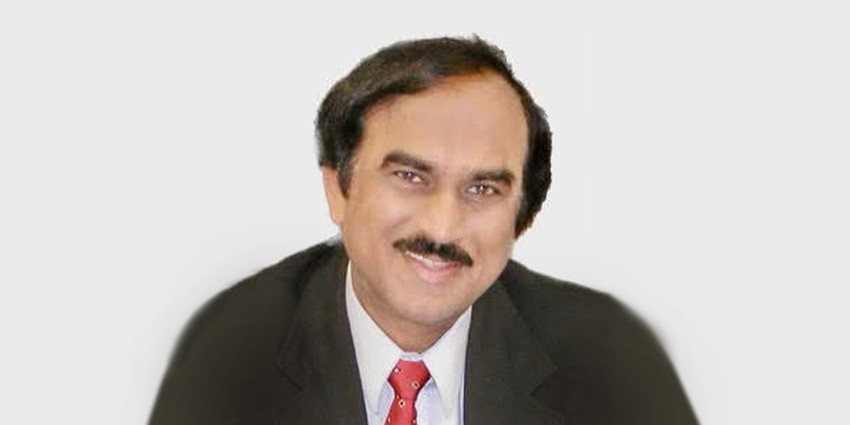
Ram Krishna, M.D., former chief of staff for the South East Arizona Medical Center, chairman of the Board of Trustees of the South East Arizona Medical Center, chairman of the board of trustees for Yuma Regional Medical Center, and chair of surgery at Yuma Regional Medical Center in Arizona, passed away on April 17, 2023, at the age of 77.
Remarkable Orthopedic Surgeon, Leader and Mentor, Ram Krishna Dies at 77
1 min read Premium comments
Remembrances#orthopedicsurgeon
His family wrote that he “lived an extraordinary life of service.” Krishna served the Yuma, Arizona, community through his orthopedic surgery practice for more than 20 years. He had surgical privileges at Southern Arizona Veterans Affairs Health Care System-Tucson and Yuma Regional Medical Center.
Dr. Krishna also served in many other community leadership roles including president of the Yuma County Medical Society, president of the Arizona Medical Board, president of the Karnataka State Medical and Dental Alumni Association, executive committee member of the Arizona Orthopedic Society, director of the Federation of State Medical Boards, chairman of the Educational Commission for Foreign Medical Graduates, and regent on the Arizona Board of Regents overseeing Arizona’s three public universities.
Krishna has also been named Citizen of the Year by the Arizona Asian American Association and received the Distinguished Service Award from the Arizona Medical Association.
He was born in India and earned his medical degree from Bangalore Medical College while living there. He then came to the United States to complete his residency in general surgery and orthopedics at the University of Massachusetts Medical Center. He served as chief resident of orthopedics while he was there.
Krishna is survived by his wife Meera, his daughters Sunita and Rupa, his sons-in-law Manuel and Jason, and his three grandchildren.
“He will be forever missed by his family and numerous friends and colleagues,” his family wrote.
Author
React:
Discussion
This is a fascinating development. In my practice we've seen similar outcomes with the revised protocol. The key differentiator seems to be patient selection criteria. Has anyone else noticed the correlation with BMI thresholds?
Great point. I'd push back slightly on the conclusion, the sample size in the cited study is too small to draw population-level inferences. That said, the directional signal is compelling and worth a larger RCT.
We implemented a similar approach last year. Early results are promising but we're still gathering 12-month follow-up data. Happy to share our protocol if anyone is interested.
Join the conversation
Orthopedic professionals are discussing this. Sign in and upgrade to read every comment and add your voice.