
Seldom are differences between a control group and a treatment group in a randomized control study (RCT) as dramatic and clear as this.
Dramatic NYU Study Finds Nutrition CRITICAL to Outcomes
2 min read Premium comments
Secondary#malnutrition#lumbarspinesurgery#perioperativenutritionsupplementation
A team from one of the top ranked U.S. academic medical centers, New York University’s (NYU) Langone Medical Center, designed an RCT study to measure the effects of nutrition on post-op outcomes, if any.
To begin with, a surprising number of spine surgery patients are under-nourished or even malnourished. “The prevalence of malnutrition in patients undergoing lumbar spine surgery ranges from 5% to 50% and is associated with higher rates of surgical site infections, medical complications, longer lengths of stay, and mortality,” the NYU team wrote in their paper.
The team (Hesham Saleh, M.D., Tyler K. Williamson, M.S. and Peter G. Passias, M.D.) designed a prospective randomized controlled trial to test the hypothesis that perioperative nutritional intervention could improve spine surgery and wound healing outcomes.
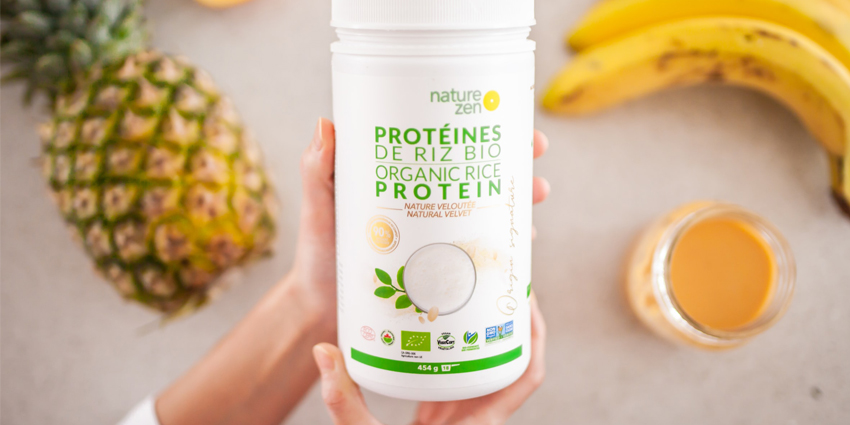
All patients enrolled in the study were 55 years of age or older and had registered preoperative albumin levels of < 3.5 g/dL. The intervention group received nutritional supplementation in the form of a protein shake twice a day after surgery starting immediately and continuing for two weeks post discharge. The control group did not get protein shakes and simply continued with their pre-existing daily diets.
The research team collected data on such minor in-hospital complications as wound drainage, electrolyte abnormalities, hypotension, ileus, deep venous thrombus, and wound healing complications within 90 days of surgery. They also measured 90-day emergency room visits, readmissions, and return to the operating room.
Thirty-seven of the 103 patients included in the study were considered malnourished before surgery. Forty-six of the patients received the nutritional intervention and 57 patients were in the control group.
Patients who received nutritional supplements had sharply lower rates of in-hospital complications (2.1% vs. 23.2%; p < 0.01) and perioperative wound healing complications (3.4% vs. 17.9%; p < 0.05).
A subgroup analysis of the 37 malnourished patients showed that those who received perioperative nutritional supplementation had dramatically lower rates of minor complications during admission (0.0% vs. 34.4%, p = 0.01) and return to the operating room within 90 days (0.0% vs. 12.4%; p = 0.04).
“To our knowledge, this is the first study to investigate the effects of perioperative nutritional intervention on wound healing complications for patients undergoing elective lumbar spine surgery,” the researchers wrote.
The study, “Perioperative Nutritional Supplementation Decreases Wound Healing Complications Following Elective Lumbar Spine Surgery: A Randomized Controlled Trial,” was published online on March 15, 2023 in the journal Spine.
Author
React:
Discussion
This is a fascinating development. In my practice we've seen similar outcomes with the revised protocol. The key differentiator seems to be patient selection criteria. Has anyone else noticed the correlation with BMI thresholds?
Great point. I'd push back slightly on the conclusion, the sample size in the cited study is too small to draw population-level inferences. That said, the directional signal is compelling and worth a larger RCT.
We implemented a similar approach last year. Early results are promising but we're still gathering 12-month follow-up data. Happy to share our protocol if anyone is interested.
Join the conversation
Orthopedic professionals are discussing this. Sign in and upgrade to read every comment and add your voice.