
Christopher J. Dy, M.D., M.P.H. has received the 2023 Kappa Delta Young Investigator Award for his research on how brachial plexus injuries affect patient quality of life. The award was presented at the recent annual meeting of The American Academy of Orthopaedic Surgeons (AAOS).
Christopher Dy, M.D.: Kappa Delta Young Investigator Award Winner
3 min read Premium comments
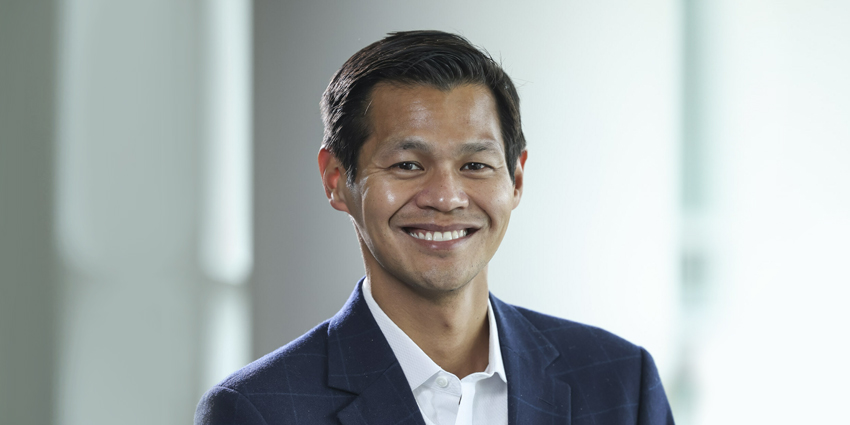
#christopherdy#kappadeltayounginvestigatoraward
Dr. Dy, associate professor of orthopedic surgery and director of the Hand and Microsurgery Fellowship at Washington University School of Medicine in St. Louis, determined that prior research failed to account for the emotional, psychological and pain-related aspects of recovering from brachial plexus injury surgery.
When there is an injury to the brachial plexus, a group of nerves that connect the spinal cord to the shoulder, if mild, the condition can often heal on its own. Something more serious may require surgery and can have great consequences for patients, including weakness or numbness, loss of sensation, loss of movement and pain, many of which affect their ability to complete everyday activities.
“While brachial plexus injuries [BPI] aren’t terribly common, these are challenging as there is no way to tell how injured the brachial plexus is,” said Dr. Dy. “We use a lot of tools to assess the injury—patient examination, MRIs, nerve studies—but none of it is perfect. The level of trauma—if the plexus is stretched a little or so bad that it ruptures into two pieces—will determine if the plexus gets better on its own or if surgery is needed. We need to recognize BPI in the first few months of it happening as the effectiveness of the surgery is time sensitive.”
The Patient Perspective
Initially mentored by Dr. Scott Wolfe, Dr. Dy conducted a systematic review of 88 papers (5,189 patients). They determined that 94% of studies included muscle strength assessments, with a mere 5% including quality of life evaluations and only 3% including patient satisfaction assessments.
Dr. Dy’s follow-up work, supported by Regis O’Keefe, M.D., Ph.D., found that the societal burden of brachial plexus injuries will continue to grow, with most patients being young and out of work for more than a year. These individuals struggled to find a surgeon, often received a late diagnosis and obtained insufficient information about their treatment—one-third of patients had a delay in surgery of a year or more after the injury.
One year after surgery, 38% of brachial plexus injury patients were depressed and 42% had anxiety, with both being present in 25%, indicating that these patients were “significantly more likely to develop new-onset depression or anxiety after surgery.”
To address these issues, Dr. Dy and his colleagues are developing a Brachial Plexus Injury Journey Guide that will include information requested by patients, including physical and emotional aspects of recovery, expectation setting for functional outcomes, pain management, communication with the healthcare team and caregiver needs.
When OTW wondered what might get in the way of recognizing brachial plexus injuries in the first few months of it happening, Dr. Dy noted, “Often times, the patient and their physicians are dealing with other (and usually more urgent) injuries. This often distracts from the brachial plexus injury and delays its recognition.”
“In addition, some physicians are unaware of how a brachial plexus injury will present or they are unaware of our preference to see these patients ‘sooner rather than later.’ We have had some unfortunate instances where patients are referred after too long of a period of observation at centers without up-to-date experience with the newest techniques in surgical reconstruction.”
Regarding why the societal burden of brachial plexus injury is projected to grow, Dr. Dy told OTW, “The direct and indirect costs associated with brachial plexus injury will continue to grow. While we cannot do much to decrease the rate at which direct medical expenditures will go up (aside from being good stewards of ordering diagnostic tests), we can do our best to get our patients back to employment, which will decrease the indirect cost of brachial plexus injury.”
“Once the injury is recognized (or even suspected), patients with brachial plexus injury should be referred to regional centers of excellence that can provide integrated multidisciplinary care incorporating multiple methods of surgical reconstruction and postoperative rehabilitation.”
Author
React:
Discussion
This is a fascinating development. In my practice we've seen similar outcomes with the revised protocol. The key differentiator seems to be patient selection criteria. Has anyone else noticed the correlation with BMI thresholds?
Great point. I'd push back slightly on the conclusion, the sample size in the cited study is too small to draw population-level inferences. That said, the directional signal is compelling and worth a larger RCT.
We implemented a similar approach last year. Early results are promising but we're still gathering 12-month follow-up data. Happy to share our protocol if anyone is interested.
Join the conversation
Orthopedic professionals are discussing this. Sign in and upgrade to read every comment and add your voice.