
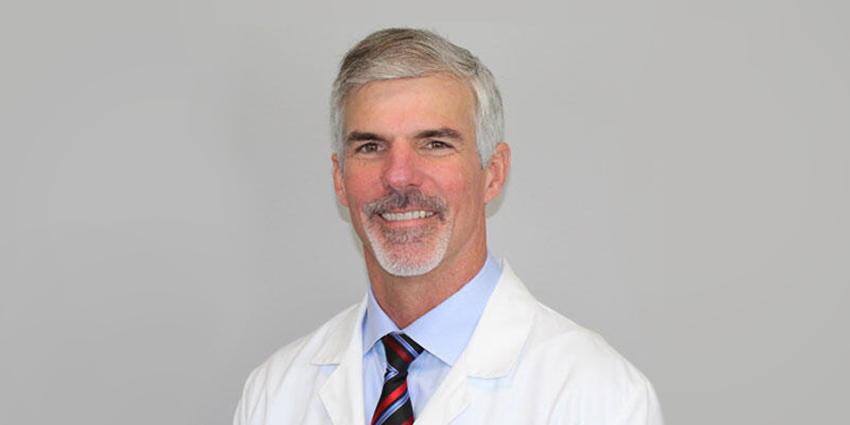
Michael Daubs, M.D., professor and chairman of the Department of Orthopaedics at the Kirk Kerkorian School of Medicine at the University of Nevada, Las Vegas, has been selected as the 50th president of The Cervical Spine Research Society (CSRS).
Michael Daubs, M.D. – 50th President of the CSRS
1 min read Premium comments
Secondary#cervicalspineresearchsociety#csrs#michaeldaubs
The Cervical Spine Research Society is a multidisciplinary organization of individuals interested in clinical and research problems of the cervical spine. Its purpose is to provide a forum for the exchange and development of ideas and philosophy regarding the diagnosis and treatment of cervical spine injury and disease. The organization values collegial interaction and strong scientific principles.
Dr. Daubs graduated from the University of Nevada School of Medicine, completed a residency at the University of Arizona and did a fellowship at the University of Missouri-Columbia.
He previously held faculty positions in the Washington University Department of Orthopaedics in St. Louis as well as at the University of Utah and the University of California, Los Angeles. Dr. Daubs returned to Las Vegas in 2013 and founded the first M.D. orthopedic residency training program in Nevada. Currently, he is the first person to hold the Optum Dr. Tony and Renee Marlon Endowed Chair in the Department of Orthopaedics.
“I am excited and honored to be assuming the role of President of the CSRS,” Dr. Daubs said in a presidential letter to members. “The strength and success of our society depends on our members.”
“My active involvement in the CSRS, my years spent on the Board as well as my leadership in other spine societies has prepared me for this new position,” stated Dr. Daubs to OTW.
“My primary focus over the next six months will be to continue our focus on expanding our member diversity and our member involvement, including our younger members. They are our future. Our outstanding education and research offerings ultimately lead to improved patient care for disorders affecting the cervical spine.”
Author
React:
Discussion
This is a fascinating development. In my practice we've seen similar outcomes with the revised protocol. The key differentiator seems to be patient selection criteria. Has anyone else noticed the correlation with BMI thresholds?
Great point. I'd push back slightly on the conclusion, the sample size in the cited study is too small to draw population-level inferences. That said, the directional signal is compelling and worth a larger RCT.
We implemented a similar approach last year. Early results are promising but we're still gathering 12-month follow-up data. Happy to share our protocol if anyone is interested.
Join the conversation
Orthopedic professionals are discussing this. Sign in and upgrade to read every comment and add your voice.