
Surgical site infections (SSI) disproportionately affect patients who live in low-income to middle-income countries.
Changing Gloves Can Prevent 1 in 8 Wound Infections
2 min read Premium comments
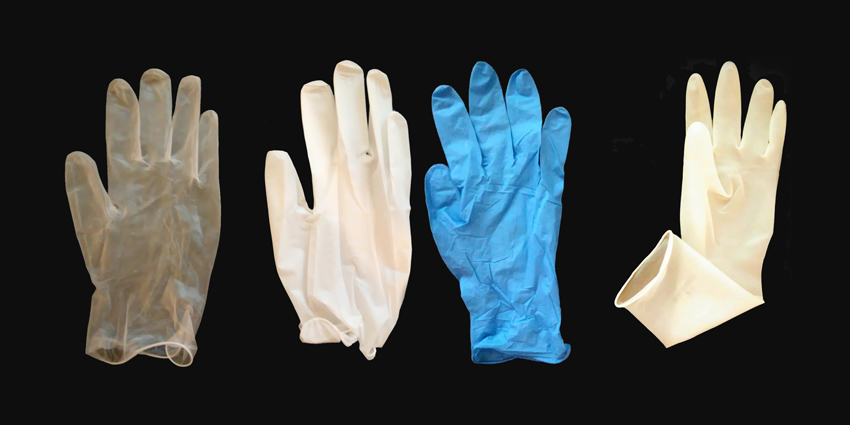
#surgicalsiteinfectionSecondary#woundclosure#surgicalgloves
A UK research team from the National Institute for Health and Care Research Global Health Research Unit organized a randomized control study of 13,301 patients to sort out what basic steps surgeons can take—in any country, but especially in countries and, frankly, individual hospitals with high rates of SSI, to cut those rates.
Their study, “Routine sterile glove and instrument change at the time of abdominal wound closure to prevent surgical site infection (ChEETAh): a pragmatic, cluster-randomised trial in seven low-income and middle-income countries,” appears in the October 31, 2022, edition of The Lancet.
Professor and co-author Dion Morton of the University of Birmingham told OTW, “SSIs are one of the major health challenges for surgery today. The simple and cost-effective intervention of clean gloves and instruments for wound closure is appropriate for implementation across the world and can mark an important step towards the future minimizing of SSIs and so improve patient outcomes.”
The UK research team was able to enroll 13,301 patients from seven countries into a randomized control trial. The protocol was:
- surgeons, assistant surgeons, and scrub staff all changed their sterile gloves (or outer gloves if double gloved).
- The surgical staff used a sterile set of instruments was used for wound closure including a needle holder, forceps, and scissors.
- Change gloves and instruments after the surgery was completed but before handling the wound edges to facilitate closure.
The standard of care at any given site served as the control, i.e., OR staff were permitted to change their gloves or instruments as per their normal protocol.
Describing their heartening results, Dr. Morton told OTW, “Our most important results showed us that using clean gloves and instruments will prevent 1 in 8 wound infections for contaminated and dirty wounds, a significant step forward for those suffering with wound infection. Given the fact that the wounds were already contaminated, it was fascinating to find that 1 in 8 wound infections for contaminated and dirty wounds were prevented by the use of gloves.”
“We now need to be looking at other, complementary, methods for the further prevention of SSIs—the results of this trial evidencing how important it is for us to continue looking into this to improve outcomes in for patients.”
Author
React:
Discussion
This is a fascinating development. In my practice we've seen similar outcomes with the revised protocol. The key differentiator seems to be patient selection criteria. Has anyone else noticed the correlation with BMI thresholds?
Great point. I'd push back slightly on the conclusion, the sample size in the cited study is too small to draw population-level inferences. That said, the directional signal is compelling and worth a larger RCT.
We implemented a similar approach last year. Early results are promising but we're still gathering 12-month follow-up data. Happy to share our protocol if anyone is interested.
Join the conversation
Orthopedic professionals are discussing this. Sign in and upgrade to read every comment and add your voice.