
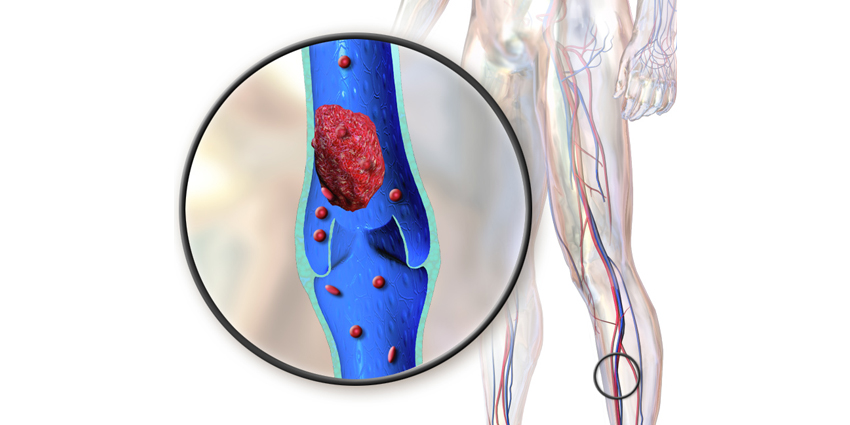
Does an aspirin regime following meniscus root repair elevate the risk of deep vein thrombosis? Co-author Robert A. Magnussen, M.D., M.P.H. of The Ohio State University in Columbus tackled that question in a new study.
Does Aspirin After Meniscus Root Repair Elevate DVT Risk?
2 min read Premium comments
Secondary#arthroscopickneesurgery#deepveinthrombosis#meniscusroottear
“My colleagues and I noted some patients developed DVT following meniscus root repair when using just aspirin for deep vein thrombosis (DVT) prophylaxis and decided to review our records and determine how common this was and whether stronger prophylaxis was needed,” said Dr. Magnussen to OTW,
Their work, “Aspirin may not be effective in prevention of deep vein thrombosis after meniscus root repair: a retrospective cohort study,” was published in the November/December 2022 issue of Current Orthopaedic Practice.
Focusing on the risk of DVT and the ideal prophylaxis for meniscus root repair, the authors theorized that there is no significant difference in the risk of symptomatic DVT after meniscus root repair with aspirin prophylaxis as compared with low molecular weight heparin or apixiban.
The researchers enrolled 58 patients for the study, all of whom were treated with repair of medial or lateral meniscus root tears over a three-year period (June 2015 and July 2018). A total of 16 patients (27.6%) received aspirin, and 42 patients (72.4%) received either low molecular weight heparin (7 patients) or apixaban (35 patients). Of the 58 repaired menisci, 39 (67.2%) were medial, and 19 (32.8%) were lateral. Twenty-two (37.9%) underwent concomitant anterior cruciate ligament (ACL) reconstruction at the same time as meniscus root repair.
The team followed all patients for at least 90 days, finding three clinically symptomatic DVTs in the group, (overall incidence of 5.2%). All DVTs occurred in the aspirin group. Two DVTs occurred in patients with medial root repair, with one in a patient who had a lateral root repair. The incidence of DVT in the aspirin group (18.8%) was significantly higher than that in the other anticoagulant group (0%).
“We found a relatively high risk of DVT after meniscus root repair when aspirin was used for prophylaxis,” stated Dr. Magnussen to OTW. “We noted this risk to be significantly lower when a strong prophylactic agent such as Lovenox, Eliquis, or Xarelto was used. Future studies with larger numbers will allow for more complete assessment of the risks of DVT as well as complications of DVT prophylaxis with various agents following this surgery.”
Author
React:
Discussion
This is a fascinating development. In my practice we've seen similar outcomes with the revised protocol. The key differentiator seems to be patient selection criteria. Has anyone else noticed the correlation with BMI thresholds?
Great point. I'd push back slightly on the conclusion, the sample size in the cited study is too small to draw population-level inferences. That said, the directional signal is compelling and worth a larger RCT.
We implemented a similar approach last year. Early results are promising but we're still gathering 12-month follow-up data. Happy to share our protocol if anyone is interested.
Join the conversation
Orthopedic professionals are discussing this. Sign in and upgrade to read every comment and add your voice.