
In what researchers are claiming to be the largest study of its kind ever, a team from the Gunderson Health System in La Crosse, Wisconsin, have completed a systematic review of 1,583 scarf osteotomies and teased out the average rates of recurrence, troughing, avascular necrosis, nonunion and more outcome statistics.
Study of 1,583 Scarf Osteotomies Uncovers Outcome Stats
1 min read Premium comments
Secondary#complicationrate#scarfosteonomy
The study, “The Incidence of Complications Following Scarf Osteotomy for the Treatment of Hallux Valgus: A Systematic Review with Meta-Analysis,” was published online on November 26, 2022, in The Journal of Foot & Ankle Surgery.
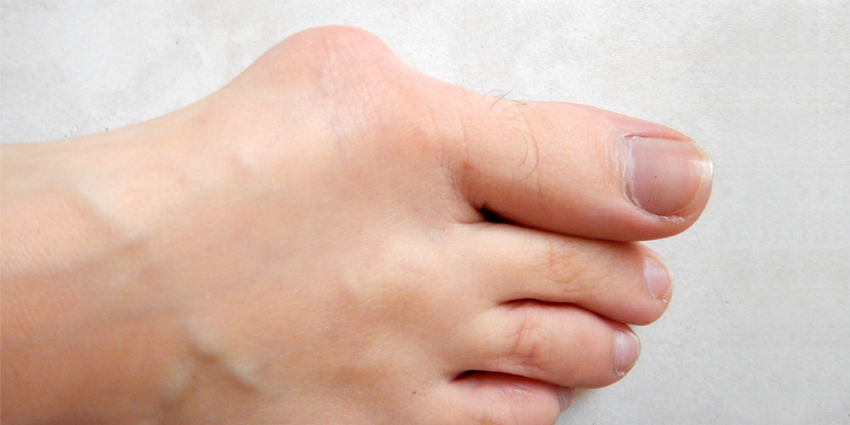
Scarf osteotomy is a common surgical technique used to correct a hallux valgus deformity because it is so versatile, but studies have been mixed about whether or not it is a successful option. Multiple studies have reported favorable outcomes, but there have also been those that showed high complication rates.
The researchers say that the incidence of complications is still underreported in the literature. For their study, they performed a systematic review and meta-analysis to better understand the complications and clinical outcomes from scarf osteotomy. Overall, the team identified 116 studies of which 25 met the inclusion criteria.
They reported that their meta-analysis was able to collect data from 1,583 scarf osteotomies. The weighted mean follow-up was 26.4 months. The researchers calculated a 5.1% rate of recurrence, 3.5% rate of troughing, 1.0% rate of avascular necrosis, 1.8% rate of nonunion, 2.7% rate of malunion, 2.4% rate of infection, 5.3% rate of complex regional pain syndrome and 3.4% rate of hallux varus.
The researchers also observed an average decrease in intermetatarsal angle of 6.3°. They wrote there were no statistical differences in outcomes when comparing scarf with scarf with additional procedures performed at time of surgery.
“To our knowledge, this systematic review and meta-analysis contains the highest number of scarf procedures analyzed and presents complication rates on multiple adverse outcomes,” they wrote.
Study authors include Matthew R. Sieloff, DPM, Alexander R. Tokarski, DPM, Andrew D. Elliott, DPM, P. Michael Jacobs, DPM and Andrew J. Borgert, Ph.D., all of the Gundersen Health Systems in La Crosse, Wisconsin.
Author
React:
Discussion
This is a fascinating development. In my practice we've seen similar outcomes with the revised protocol. The key differentiator seems to be patient selection criteria. Has anyone else noticed the correlation with BMI thresholds?
Great point. I'd push back slightly on the conclusion, the sample size in the cited study is too small to draw population-level inferences. That said, the directional signal is compelling and worth a larger RCT.
We implemented a similar approach last year. Early results are promising but we're still gathering 12-month follow-up data. Happy to share our protocol if anyone is interested.
Join the conversation
Orthopedic professionals are discussing this. Sign in and upgrade to read every comment and add your voice.