
Nonthrowing athletes undergoing either ulnar collateral ligament (UCL) repair or ulnar collateral reconstruction have favorable outcomes, according to a new study.
Ulnar Collateral Ligament Surgery in Nonthrowing Athletes
2 min read Premium comments
Secondary#nonthrowingathletes#ulnarcollateralligamentsurgery
“Ulnar collateral ligament surgery continues to demonstrate excellent clinical outcomes and a high return-to-play rate with a low complication rate. Recent studies have demonstrated similar clinical outcomes for baseball players who have undergone either ulnar collateral ligament reconstruction or ulnar collateral ligament repair. In comparison, few studies have assessed the clinical outcomes of ulnar collateral surgery for nonthrowing athletes,” the researchers wrote.
The study, “Clinical Outcomes of Ulnar Collateral Ligament Surgery in Nonthrowing Athletes,” was published online on September 13, 2022, in The American Journal of Sports Medicine. In it, the researchers analyzed the clinical outcomes, complication rates and return to play rates of nonthrowing athletes who underwent ulnar collateral ligament or UCL surgery at a single institution.
All 37 of the patients (16 male and 21 female) identified from a longitudinal elbow registry had a minimum of 2 years of follow-up. All the surgeries took place between 2011 and 2019. Outcomes measured included return-to-play rate and average time, American Shoulder and Elbow Surgeons scores, and complications.
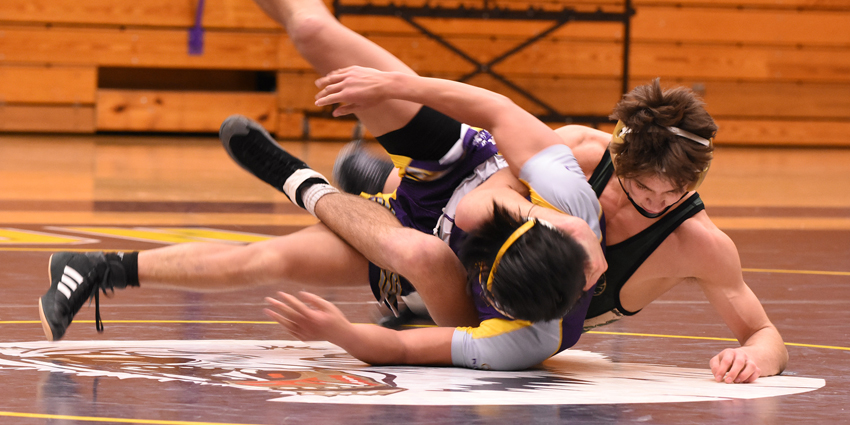
Mean ± standard deviation age at the time of surgery was 18.0 ± 3.7 years. Twenty-eight of the procedures were UCL repairs and 9 were UCL reconstructions. For these patients, 15 had partial tears, 20 had complete tears, 1 had a medial epicondyle avulsion, and 1 had an unspecified pathology. The sports in which the athletes were involved included football, gymnastics, cheerleading, wrestling, volleyball, basketball, and acrobatics. Quarterbacks, however, were excluded from the study because they are considered throwing athletes. The level of competition of the athletes ranged from youth sports to professional athletes.
The return-to-play rate was 93% at a mean 7.4 months for UCL repair and 100% at a mean 10.0 months for UCL reconstruction. Mean American Shoulder and Elbow Surgeons scores were 94.4 and 98.7 for UCL repair and reconstruction, respectively.
Overall, complications were low, with 2 patients in the UCL repair group needing to undergo ulnar nerve transposition for ulnar nerve paresthesia.
“Return to play and clinical outcomes are consistent with previous studies in baseball players as well as a parallel ongoing study conducted on non–baseball throwing athletes,” the researchers concluded.
Study authors included Marcus A. Rothermich, M.D., Michael K. Ryan, M.D., E. Lyle Cain, Jr. M.D. and Jeffrey R. Dugas, all of Andrews Sports Medicine & Orthopaedic Center in Birmingham, Alabama. Zachary K. Pharr, M.D., Andrew C. Mundy, M.D., Glenn S. Fleisig, Ph.D., Eric A. Mussell, M.S., Hunter M. Bernier, BME, Brook Ostrander, B.S., Jonathan S. Slowik, Ph.D., and Benton A. Emblom, M.D., all of American Sports Medicine Institute in Birmingham, Alabama, also contributed to the study.
Author
React:
Discussion
This is a fascinating development. In my practice we've seen similar outcomes with the revised protocol. The key differentiator seems to be patient selection criteria. Has anyone else noticed the correlation with BMI thresholds?
Great point. I'd push back slightly on the conclusion, the sample size in the cited study is too small to draw population-level inferences. That said, the directional signal is compelling and worth a larger RCT.
We implemented a similar approach last year. Early results are promising but we're still gathering 12-month follow-up data. Happy to share our protocol if anyone is interested.
Join the conversation
Orthopedic professionals are discussing this. Sign in and upgrade to read every comment and add your voice.