
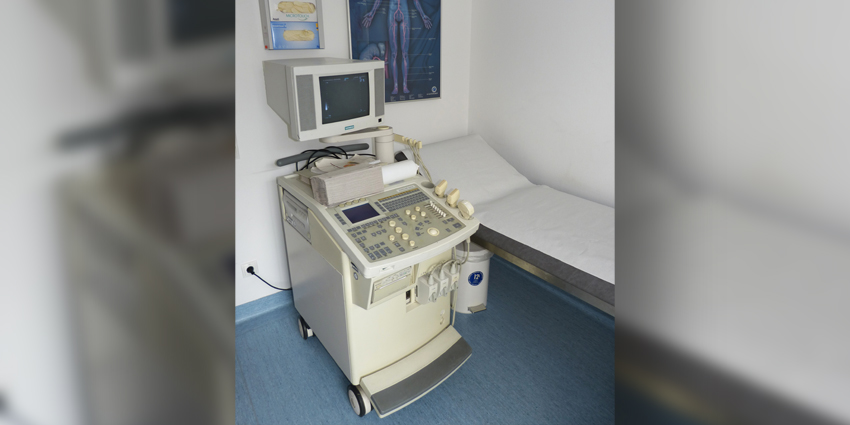
The use of ultrasound and ultrasound-guided hip injection can improve the accuracy of diagnosing femoroacetabular impingement (FAI) with atypical symptoms, a new study finds.
Ultrasound-Guided Hip Injection Improves FAI Diagnosis
1 min read Premium comments
Secondary#femoroacetabularimpingement#ultrasoundguidedhipinjection
In the study, “Ultrasound and Ultrasound-Guided Hip Injection Have High Accuracy in the Diagnosis of Femoracetabular Impingement With Atypical Symptoms,” published online in the January 2021 issue of the journal Arthroscopy, the researchers evaluated consecutive patients diagnosed with femoroacetabular impingement with atypical symptoms who underwent ultrasound-guided hip injection between January 2017 and February 2019.
All the patients had a physical examination, ultrasound examination, magnetic resonance imaging (MRI) examination and ultrasound-guided injection before surgery. All the patients who had a positive response to ultrasound-guided hip injection were recommended to undergo arthroscopic surgery.
Sensitivity, specificity, accuracy, and positive predictive value of ultrasound and MRI were all calculated. The researchers also recorded the accuracy of ultrasound-guided hip injection as well as preoperative and postoperative patient-reported outcomes including Visual Analog Scale for pain and modified Harris Hip Score.
Overall, there were 78 patients included in the study and 50 patients had responses to the injection and 36 ended up having arthroscopic surgery.
The response to the ultrasound-guided intra-articular injection was 91.7% accurate for detecting the presence of intra-articular abnormality. No complications from the injection were reported. The sensitivity, positive predictive value, and accuracy by ultrasound diagnosis of cam impingement were 82.9%, 96.7% and 80.6%, respectively. The sensitivity and accuracy by ultrasound diagnosis of anterosuperior labral tear were both 72.2%.
For MRI diagnosis of cam impingement, the sensitivity, positive predictive value, and accuracy were 72.2%, 96.3% and 74.3%, respectively. For MRI diagnosis of labral tear, the sensitivity and accuracy were both 88.9%.
Overall, 34 patients had achieved at least minimal clinically important difference and 33 patients reached the patient acceptable symptomatic state.
“Ultrasound and ultrasound-guided hip injection have high accuracy in the diagnosis of femoroacetabular impingement with atypical symptoms,” the researchers wrote.
Author
React:
Discussion
This is a fascinating development. In my practice we've seen similar outcomes with the revised protocol. The key differentiator seems to be patient selection criteria. Has anyone else noticed the correlation with BMI thresholds?
Great point. I'd push back slightly on the conclusion, the sample size in the cited study is too small to draw population-level inferences. That said, the directional signal is compelling and worth a larger RCT.
We implemented a similar approach last year. Early results are promising but we're still gathering 12-month follow-up data. Happy to share our protocol if anyone is interested.
Join the conversation
Orthopedic professionals are discussing this. Sign in and upgrade to read every comment and add your voice.