
When they dug into the tiny little organisms that cause surgical site infections (SSI) in spinal procedures, researchers from the University of Washington (UW) in Seattle found evidence suggesting that a key determinant of severity was the anatomical distribution of pathogens and, therefore, infection prevention strategies individualized to the operative level are called for.
Spine Surgery Site Infections Differ “Dramatically” by Level
2 min read Premium comments
#surgicalsiteinfectionSecondary#spinalfusion#antimicrobialprophylaxis
Their study, “Anatomic Gradients in the Microbiology of Spinal Fusion Surgical Site Infection and Resistance to Surgical Antimicrobial Prophylaxis,” appears in the February 1, 2021 edition of Spine.
Dustin Long, M.D.,with the Department of Anesthesiology and Pain Medicine in the Division of Critical Care Medicine at UW and co-author, explained the genesis of the study to OTW, “As a multidisciplinary group (critical care anesthesiology, infectious disease, antimicrobial stewardship, and spine surgery), we recognized the need to better understand postoperative infections, in order to prevent them. Our team realized that the data captured in clinical microbiology results might provide insight into the mechanisms by which SSIs evade standard prevention measures in current surgical practice.”
After looking at the spinal fusion cases performed at their center between January 2011 and June 2019, the team examined the anatomic distribution of pathogens, their differential time to presentation, and correlation with methicillin-resistant Staphylococcus aureus screening results. They found 351 infections in 6,727 cases within 90 days.
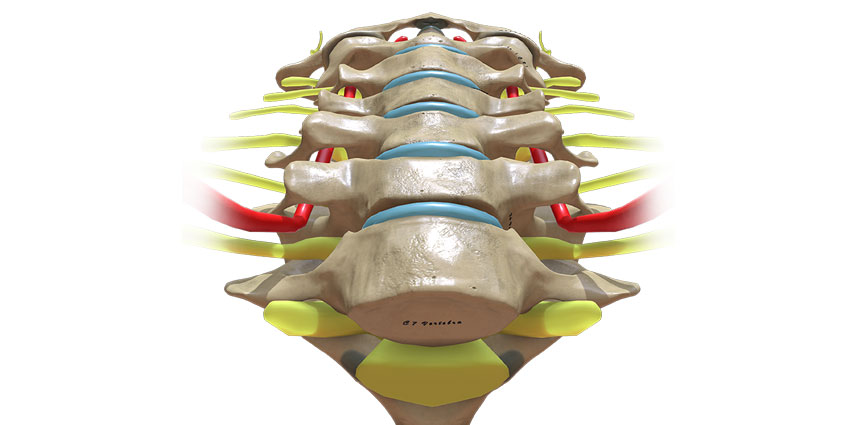
The authors wrote, “An anatomic gradient in the microbiology of SSI was observed across the length of the back, transitioning from cutaneous (gram-positive) flora in the cervical spine to enteric (gram-negative/anaerobic) flora in the lumbosacral region. The majority (57.5%) of infections were resistant to the prophylaxis administered during the procedure.”
Location Matters
“The bacterial causes of spine SSI differed dramatically by operative level, with Staphylococcal infections predominating in cervical and upper thoracic procedures and gram-negative infections causing a disproportionate number of lumbosacral infections. The majority of infections were resistant to the surgical antibiotic prophylaxis administered during the procedure, following a similar anatomic pattern.”
“Personalized prevention strategies that account for these differences represent an important opportunity for the future of infection prevention in spine surgery. More work is needed to understand the actual mechanisms by which these different classes of bacteria gain access to the wound—particularly the role of intraoperative versus postoperative factors.”
Back to Basics…Fecal Microbiomes
“Based on these findings, we are currently working to understand potential sex differences in the causes of infection and resistance to standard surgical prophylaxis in spine surgery. We are also developing a program to investigate the role of the patient skin and fecal microbiomes in individual cases of infection—we think this is the next step that will help to identify which of many potential measures (e.g., targeted use of gram-negative prophylaxis, closed incisional negative pressure wound therapy, mobility and enhanced recovery protocols, changes in drain management, etc.) are likely to be effective and worth studying prospectively.”
Author
React:
Discussion
This is a fascinating development. In my practice we've seen similar outcomes with the revised protocol. The key differentiator seems to be patient selection criteria. Has anyone else noticed the correlation with BMI thresholds?
Great point. I'd push back slightly on the conclusion, the sample size in the cited study is too small to draw population-level inferences. That said, the directional signal is compelling and worth a larger RCT.
We implemented a similar approach last year. Early results are promising but we're still gathering 12-month follow-up data. Happy to share our protocol if anyone is interested.
Join the conversation
Orthopedic professionals are discussing this. Sign in and upgrade to read every comment and add your voice.