
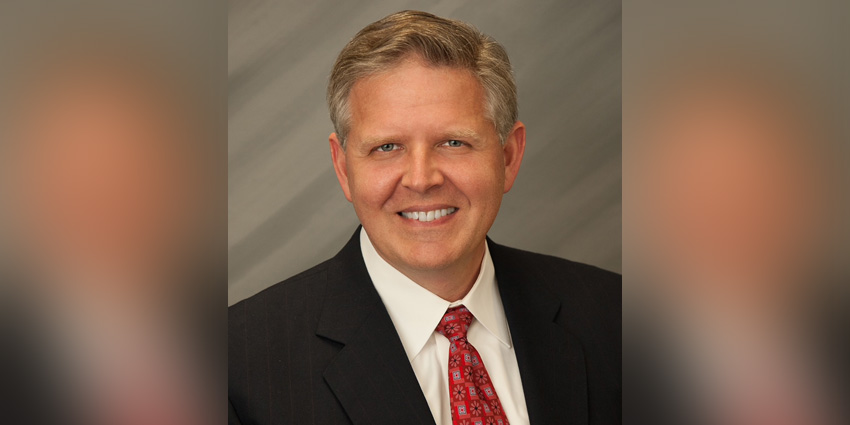
Long-time health care executive Joe DiPaolo has taken the top spot at New Jersey’s Orthopedic Institute (OINJ), a growing center for orthopedic care in the New York and New Jersey region.
Joe DiPaolo New CEO of The Orthopedic Institute of New Jersey
1 min read Premium comments
Secondary#joedipaolo#orthopedicinstituteofnewjersey
DiPaolo brings nearly 20 years of leadership experience in health care management to OINJ. Most recently, he served as the interim senior operations executive charged with the startup and continued operation of COVID-19 field hospitals in Chicago, Illinois, and the state of Maryland. In that consulting role, he held responsibility for the design and implementation of contracting and the management of critical supplies and resources.
Prior to his consulting experience, DiPaolo spent almost two decades with the Atlantic Health System. During that time, he served as the president of the western New Jersey region and the Newton Medical Center CEO. In those roles he oversaw two acute care hospitals and multiple outpatient facilities. Prior to those roles, he managed the orthopedic service line “as well as the supply chain, emergency management, and environmental operations, among others.”
OTW spoke with DiPaolo about his decision to join OINJ. “The Orthopedic Institute of New Jersey (OINJ) is a regional leader in orthopedic care, and the specialists here are among the most talented and dedicated practitioners I have ever known,” he said. “I look forward to working closely with this team to expand access to care in existing and potentially new service areas and providing the resources they need to continue providing the high quality of care that patients have grown accustomed to.”
OINJ provides musculoskeletal care for patients of all ages. Its 24 providers serve patients from eight practice locations throughout north and central New Jersey. Its services include “arthroscopic surgery, concussion care, hip and knee reconstruction, foot and ankle surgery, hand and upper extremity surgery, joint replacement, sports medicine (including a special center for women’s sports medicine), pain management, regenerative injections, rheumatology, and spine surgery.”
Author
React:
Discussion
This is a fascinating development. In my practice we've seen similar outcomes with the revised protocol. The key differentiator seems to be patient selection criteria. Has anyone else noticed the correlation with BMI thresholds?
Great point. I'd push back slightly on the conclusion, the sample size in the cited study is too small to draw population-level inferences. That said, the directional signal is compelling and worth a larger RCT.
We implemented a similar approach last year. Early results are promising but we're still gathering 12-month follow-up data. Happy to share our protocol if anyone is interested.
Join the conversation
Orthopedic professionals are discussing this. Sign in and upgrade to read every comment and add your voice.