
New work from Rensselaer Polytechnic Institute in Troy, New York, and other institutions has found that phosphorylation (the process of adding phosphate molecules to protein) can affect the likelihood or severity of bone fractures.
How Do Phosphate Levels Affect Bone Fracture Risk?
2 min read Premium comments
Secondary#osteopontin#phosphorylation#rensselaerpolytechnicInstitute
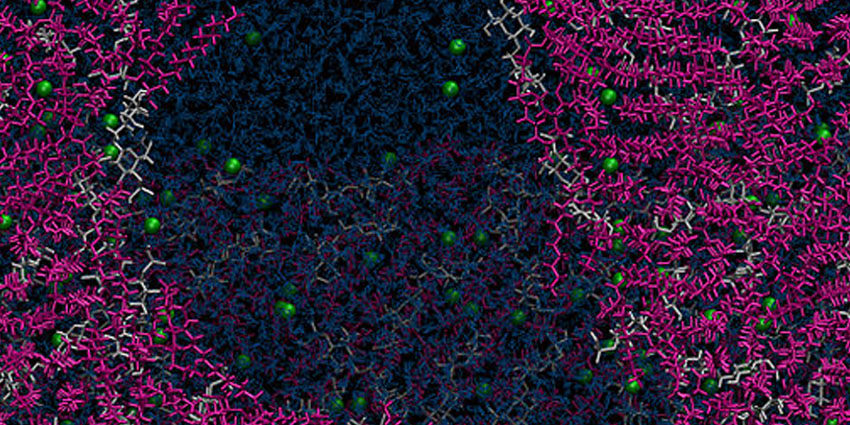
According to Rensselaer, phosphorylation is a key enzymatic process that involves the attachment of a phosphoryl to a protein—and it is critical for cellular regulation. In new work, “The role of extracellular matrix phosphorylation on energy dissipation in bone,” (eLife, December 9, 2020) an international team of researchers examined osteopontin, a protein that plays a pivotal role in holding the matrix together.
Using a mouse model where the animals had phosphate disorders and skeletal pathology linked to soft bones, the Rensselaer team induced phosphorylation—or dephosphorylation—in the bones of these genetically modified mice, some with osteopontin.
The research team discovered that fracture toughness increased with osteopontin phosphorylation and decreased with dephosphorylation. Indeed, according to the Rensselaer Polytechnic Institute research team, “phosphorylation enhanced crosslinks and increased the attraction between the charged groups on osteopontin and bone mineral, making bone stronger and its fracture more difficult.”
Study co-author Deepak Vashishth, Ph.D., director of the Center for Biotechnology and Interdisciplinary Studies at Rensselaer, explained the mechanism of action to OTW, “Phosphorylation (and dephosphorylation) regulates bone cell behavior such as how phosphorylation/dephosphorylation controls attachment/detachment of bone resorbing cells (osteoclasts), and determines the extent of bone loss.”
The researchers also found that when it comes to the effect of osteopontin phosphorylation levels in the rare bone diseases hypophosphatemia and hyperphosphatemia, osteopontin phosphorylation levels decreased.
“Another promising discovery was that these levels do change with diseases in bone,” Vashishth said. “Is phosphorylation directly affecting the fracture propensity of bones in these diseased conditions? And what therapeutic tools can we use to fix this? These are the questions that we want to investigate.”
OTW also asked Dr. Vashishth how phosphorylation helps bone release energy and he explained, “Phosphorylation increases electrostatic interactions and (cation-mediated) crosslinks between a key structural protein (osteopontin) and bone mineral (hydroxyapatite) resulting in enhanced energy dissipation. This is important because higher energy dissipation by bone equals higher resistance against an overt fracture (i.e better bones that do not fracture easily during a fall).”
The multidisciplinary team included researchers from McGill University in Canada, the University of Southampton in the United Kingdom, the University of Patras in Greece, Aarhus University in Denmark, and Vienna University of Technology in Austria.
Author
React:
Discussion
This is a fascinating development. In my practice we've seen similar outcomes with the revised protocol. The key differentiator seems to be patient selection criteria. Has anyone else noticed the correlation with BMI thresholds?
Great point. I'd push back slightly on the conclusion, the sample size in the cited study is too small to draw population-level inferences. That said, the directional signal is compelling and worth a larger RCT.
We implemented a similar approach last year. Early results are promising but we're still gathering 12-month follow-up data. Happy to share our protocol if anyone is interested.
Join the conversation
Orthopedic professionals are discussing this. Sign in and upgrade to read every comment and add your voice.