
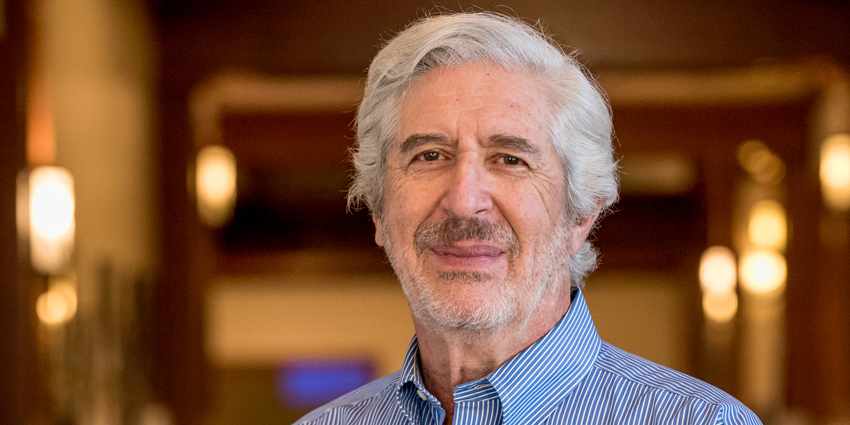
Non-operative conservative spine surgeon Stanley Gertzbein, M.D., FRCS(C) is joining the Spine Center at Valley View based in Glenwood Springs, Colorado.
Spine Surgeon Dr. Stanley Gertzbein Joins Valley View
1 min read Premium comments
#stanleygertzbein
Dr. Gertzbein is a board-certified, internationally recognized spinal surgeon. He has 50 years of clinical experience and specializes in non-operative conservative spine care. He has trained in Canada, England, and Hong Kong and has provided his expertise as a professor at numerous universities.
Dr. Gertzbein lends a compassionate ear to his patients, commenting, “I spend a lot of time with my patients, up to an hour. I figure out what’s wrong and give people a sense of what to do to get better.”
Dr. Gertzbein continued, “I work closely with individuals to determine what treatment I can provide that will be effective. Historically, 90 to 95 percent of patients with sore backs will get better, with a commitment from the patient to follow through with the recommended treatment.”
Valley View is an independent, nonprofit health system. Dr. Gertzbein joins Valley View’s existing spine care team that includes Wade Ceola, M.D., FACS, FAANS and Michael D. Campian, D.O. In addition to the Spine Center at Valley View, Dr. Gertzbein will also serve patients from Valley View’s ValleyOrtho office in Aspen and Willits HealthCare in Basalt.
Valley View CEO Brian Murphy, M.D. said, “Many patients prefer conservative therapy over invasive spinal surgery, and Dr. Gertzbein is the only provider in the Colorado mountains who offers this specialty with a surgical background.”
Dr. Murphy continued, “We are proud to have Dr. Gertzbein’s extensive experience and his talent for compassionate listening as part of the Valley View team, complementing our comprehensive spine care team greatly.”
For OTW’s recent coverage of Valley View’s expanding team, see “Hand and Wrist Surgeon Dr. Michael Potter Joins ValleyOrtho” and “Dr. Pevny and Dr. Purnell Join New ValleyOrtho Office.”
Author
React:
Discussion
This is a fascinating development. In my practice we've seen similar outcomes with the revised protocol. The key differentiator seems to be patient selection criteria. Has anyone else noticed the correlation with BMI thresholds?
Great point. I'd push back slightly on the conclusion, the sample size in the cited study is too small to draw population-level inferences. That said, the directional signal is compelling and worth a larger RCT.
We implemented a similar approach last year. Early results are promising but we're still gathering 12-month follow-up data. Happy to share our protocol if anyone is interested.
Join the conversation
Orthopedic professionals are discussing this. Sign in and upgrade to read every comment and add your voice.