
Using step-cut osteotomy alone without bone grafting or reinforcement is effective at treating neglected Monteggia fracture dislocation, according to new research.
Pediatric Monteggia Fracture Dislocation Treatment Study
1 min read Premium comments
Secondary#monteggiafracturedislocation#stepcutosteotomy#ulnarfracture
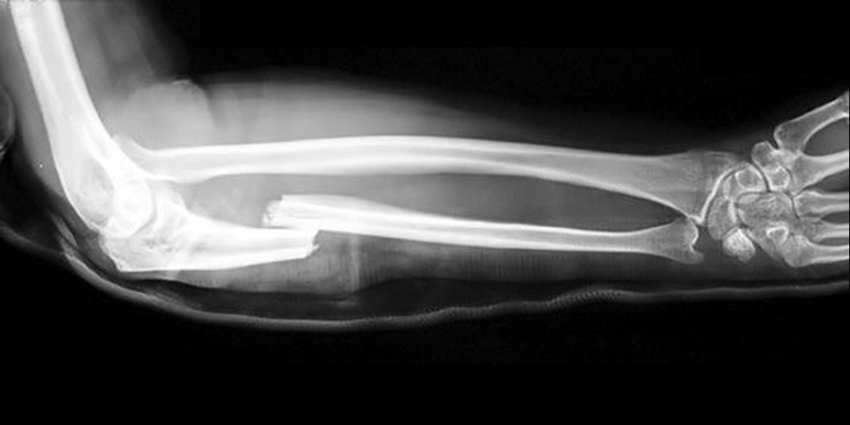
A Monteggia fracture is the combination of a radial head dislocation with an ulnar fracture. Without proper treatment it can lead to joint instability and the inability to supinate and pronate the forearm normally.
The authors of “Step-cut osteotomy in neglected Monteggia fracture dislocation in pediatric and adolescent patients: A retrospective study,” published online on December 3, 2020 in the Journal of Orthopaedic Surgery, wrote, “Neglected Monteggia fracture dislocation in children leads to significant restriction of daily activities by causing decreased range of motion at elbow, stiffness, deformity, and neurological compromise. Various treatment strategies have been described in the literature and one of them is ulnar osteotomy combined with reduction of radial head and annular ligament reconstruction.”
In the retrospective study, the research team evaluated the outcomes from using step-cut osteotomy without bone grafting with reconstruction of annular ligament to treat pediatric neglected Monteggia fracture dislocation.
Six patients with a mean age of 8.83 years were included in the study. The median interval between the original injury and the corrective surgery for the patients was 4.4 months (range 1-12 months).
All the children underwent step-cut osteotomy of ulna, open reduction of radial head, and annular ligament reconstruction. Outcomes were evaluated through the Mayo Elbow Performance Index score.
Overall, the ulnar osteotomies healed without the need for a bone graft. The researcher reported that elbow range of motion improved post-op and higher Mayo Elbow Performance Index scores (5 of the patients had excellent scores, one of the patients had a fair score) indicated improved elbow functioning.
The authors concluded that “step-cut osteotomy alone without the use of bone grafting and reinforcement with annular ligament repair is a simple yet effective technique for treating neglected Monteggia fracture dislocation.”
Author
React:
Discussion
This is a fascinating development. In my practice we've seen similar outcomes with the revised protocol. The key differentiator seems to be patient selection criteria. Has anyone else noticed the correlation with BMI thresholds?
Great point. I'd push back slightly on the conclusion, the sample size in the cited study is too small to draw population-level inferences. That said, the directional signal is compelling and worth a larger RCT.
We implemented a similar approach last year. Early results are promising but we're still gathering 12-month follow-up data. Happy to share our protocol if anyone is interested.
Join the conversation
Orthopedic professionals are discussing this. Sign in and upgrade to read every comment and add your voice.