
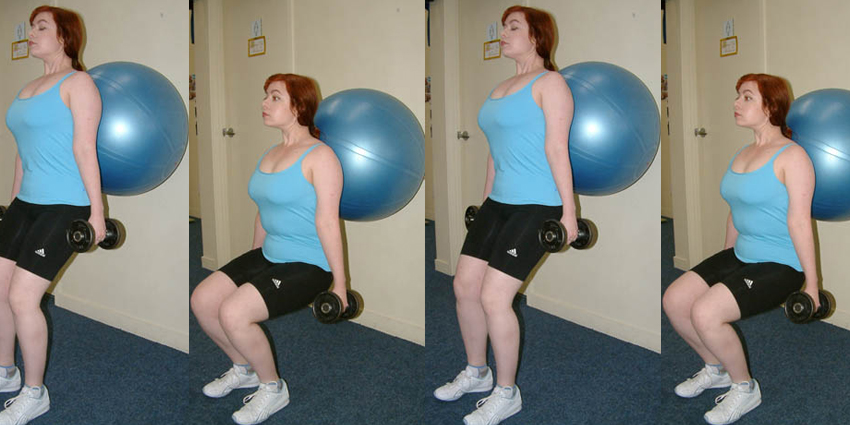
How much pain and exertion will knee osteoarthritis (OA) patients endure in order to “get back to normal?” A group of Canadian researchers designed a study to gather data about that very question and their study, “Trajectories of perceived exertion and pain over a 12-week neuromuscular exercise program in patients with knee osteoarthritis,” was published in the November 1, 2020 edition of Osteoarthritis and Cartilage.
How Much Harder CAN Knee OA Patients Rehab?
2 min read Premium comments
Secondary#kneeosteoarthritis#exerciseinducedpain
Co-author Codie Primeau, M.Sc. a physical therapy student and Ph.D. candidate (Combined MPT/Ph.D.) at the Wolf Orthopaedic Biomechanics Lab, Fowler Kennedy Sport Medicine Clinic at Western University in London, Ontario, Canada, explained to OTW why and what they hoped to learn from studying patient exertion.
“Proper progression through exercise programs requires increasing the difficulty of the exercises completed,” Primeau said. “Progressing exercises for knee OA is thought to provide optimal benefits according to the overload principle, but patients (and therapists) may have hesitations towards exercise because they fear it will exacerbate the patient’s knee pain. This presents a considerable barrier for exercise prescription.”
“We wanted to evaluate whether patients with knee OA were able to increase their rating of perceived exertion, an indicator of exercise intensity, while minimizing exercise-induced knee pain during a 12-week neuromuscular exercise program.”
“The magnitude of the decrease in exercise-induced pain in some patients was notable. By the end of the program, patients experienced little-to-no increases in knee pain from the beginning of the exercise session to the end, on average.”
“We found that over the 12 weeks of the neuromuscular exercise program, patients were able to increase their perceived exertion (i.e., exercise intensity) while exercise-induced knee pain decreased over the 12 weeks. In other words, patients were able to work harder, but also feel better.”
“The results are particularly important for clinicians in helping educate patients with knee OA on appropriate expectations from similar neuromuscular exercise programs. For example, patients can expect to experience some knee pain due to exercise in early stages of the program, however the knee pain will decrease over time and the patient will be able to increase how hard they are working. The ability to progress the difficulty of the exercise over time in these patients is crucial to maximize the health benefits achieved from exercise.”
Author
React:
Discussion
This is a fascinating development. In my practice we've seen similar outcomes with the revised protocol. The key differentiator seems to be patient selection criteria. Has anyone else noticed the correlation with BMI thresholds?
Great point. I'd push back slightly on the conclusion, the sample size in the cited study is too small to draw population-level inferences. That said, the directional signal is compelling and worth a larger RCT.
We implemented a similar approach last year. Early results are promising but we're still gathering 12-month follow-up data. Happy to share our protocol if anyone is interested.
Join the conversation
Orthopedic professionals are discussing this. Sign in and upgrade to read every comment and add your voice.