
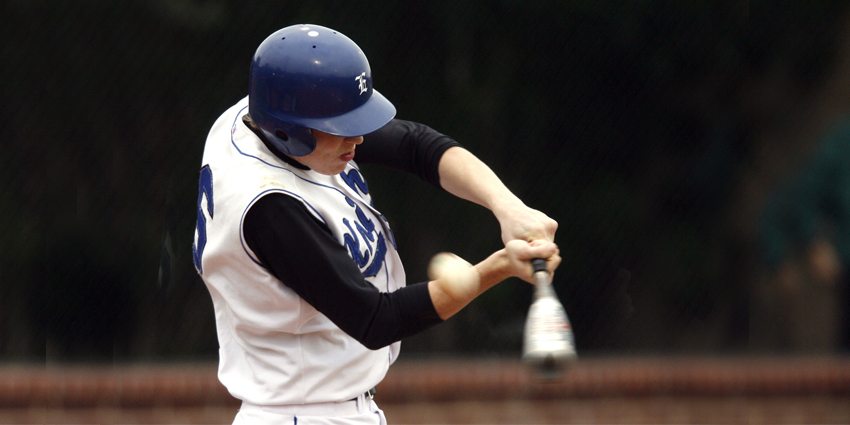
Youth baseball players with osteochondritis dissecans of the humeral capitellum can be treated nonoperatively successfully, if it is caught early enough, a new study shows. Furthermore, the research team found that the presence of proximal radial translation can predict the outcome of nonoperative management.
Caught Early, Capitellar OCD Can Be Treated Nonoperatively
1 min read Premium comments
Secondary#postoperativepaincontrol#subacromialinfusion#nerveblocks
The researchers wrote, “Osteochondritis dissecans of the humeral capitellum (capitellar OCD) is a common injury among youth baseball players, but there are only a few studies that report on return to play with nonoperative treatment.”
In their study, “Predictors of Failure of Return to Play in Youth Baseball Players After Capitellar Osteochondritis Dissecans: Focus on Elbow Valgus Laxity and Radiocapitellar Congruity,” published online on December 15, 2020 in The American Journal of Sports Medicine, they evaluated the medial elbow joint laxity under valgus stress and radiocapitellar congruity in patients with capitellar OCD.
They also wanted to study the medial elbow joint laxity and radiocapitellar congruity’s relationship to rehabilitation outcome.
During this case-control study, 81 patients with capitellar OCD were included. All the patients were in elementary school and had initially received rehabilitation treatment after the injury.
The researchers calculated the rates of return to the same level of play or higher and then corresponded them to the joint gap difference between the dominant and nondominant elbows using ultrasound and radiocapitellar congruity (proximal, lateral, and anterior radial translation length).
The return to sport rates of patients with nonoperative treatment was 70.4% (57/81). OCD classification (stage 1, odds ratio [OR], 4.076; 95% CI, 1.171-14.190) and 1 continuous variable (proximal radial translation length on anteroposterior view, OR, 0.661; 95% CI, 0.479-0.911) were important predictive factors for nonoperative treatment outcomes.
“The early stage of capitellar OCD in youth baseball players can be successfully treated nonoperatively in the majority of cases. The presence of proximal radial translation can predict the outcome of nonoperative management of capitellar OCD,” the researchers wrote.
Author
React:
Discussion
This is a fascinating development. In my practice we've seen similar outcomes with the revised protocol. The key differentiator seems to be patient selection criteria. Has anyone else noticed the correlation with BMI thresholds?
Great point. I'd push back slightly on the conclusion, the sample size in the cited study is too small to draw population-level inferences. That said, the directional signal is compelling and worth a larger RCT.
We implemented a similar approach last year. Early results are promising but we're still gathering 12-month follow-up data. Happy to share our protocol if anyone is interested.
Join the conversation
Orthopedic professionals are discussing this. Sign in and upgrade to read every comment and add your voice.