
San Diego, California-based NuVasive, Inc. pioneered and patented the extreme lateral interbody fusion (XLIF®) and X360™ procedures and devices. The company is one of the few spine device makers investing in the development of new procedures and devices for those procedures.
Study Supports Use of NuVasive Retractor for Prone XLIF Procedures
2 min read Premium comments
#nuvasiveSecondary#maxcess#xlif
A recent study published in The Journal of Neurosurgery: Spine, titled “Single-position prone lateral approach: cadaveric feasibility study and early clinical experience,” has given validation to that effort. The publication features a cadaveric feasibility study and a retrospective analysis of about a dozen patients who were fused using the XLIF procedure while in a prone position.
While the majority of patients received the XLIF implants alone at 1-2 levels, 3 patients also underwent an ALIF (anterior lumbar interbody fusion) at L5-S1, a level that is inaccessible from a lateral approach. One patient required conversion from prone to standard lateral positioning. Retractor time was short at 15 ± 6 minutes per level, on average. Additionally, no intraoperative subsidence was detected.
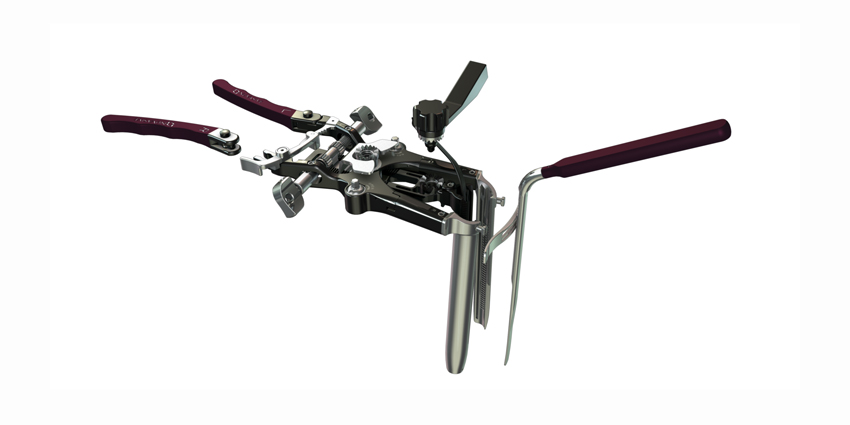
While not mentioned by name in the study, the company claims that its MaXcess® retractor system was used (images included in the publication show the retractor being used on both cadavers and patients).
Senior Vice President and General Manager of NuVasive’s spine business, Massimo Calafiore, described the impact of the study, saying, “This study adds to the growing body of evidence validating the NuVasive MaXcess retractor’s ability to perform lateral surgery in a variety of approaches, including prone position. Further, it highlights the utility of this approach, as well as its limitations, as not all patients were able to be treated in the prone position, and underscores the value of NuVasive’s X360 system—which offers a complete solution for our surgeon partners.”
Juan Uribe, M.D., chief of the division of spinal disorders at Barrow Neurological Institute in Arizona, explained the importance of prone positioning. He said in a press release from the NuVasive, “Prone positioning for a lateral approach presents an exciting opportunity for streamlining surgical access to the lumbar spine and facilitating a more efficient surgical solution with potential clinical and economic advantages for certain patients…I am grateful for NuVasive’s leadership in developing single-position procedural technologies that support a variety of positions and span the entire patient care continuum.”
Author
React:
Discussion
This is a fascinating development. In my practice we've seen similar outcomes with the revised protocol. The key differentiator seems to be patient selection criteria. Has anyone else noticed the correlation with BMI thresholds?
Great point. I'd push back slightly on the conclusion, the sample size in the cited study is too small to draw population-level inferences. That said, the directional signal is compelling and worth a larger RCT.
We implemented a similar approach last year. Early results are promising but we're still gathering 12-month follow-up data. Happy to share our protocol if anyone is interested.
Join the conversation
Orthopedic professionals are discussing this. Sign in and upgrade to read every comment and add your voice.