
RTI Surgical Inc. has received FDA 510(k) clearance for its Dynamic Active Compression (DAC) Plate system.
RTI Surgical Foot Compression Plate System Cleared
2 min read Premium comments
#fda510kclearanceSecondary#rtisurgical
Stabilization and Fixation
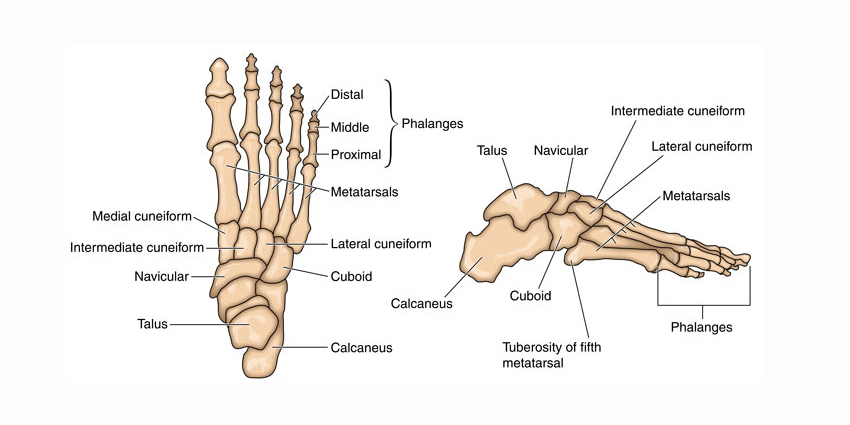
FDA documents state the system, with proprietary compression technology, is indicated for use in skeletally mature patients “for stabilization and fixation of fractures, revisions, osteotomies, arthrodeses and reconstruction of small bones of the foot such as:
- Midfoot and hindfoot arthrodesis or osteotomies
- Tarsometatarsal arthrodesis (metatarsocuneiform, metatarsocuboid, Lapidus)
- Intercuneiform arthrodesis
- Naviculocuneiform arthrodesis
- Talonavicular arthrodesis
- Calcaneocuboid arthrodesis
- Linsfranc arthrodesis
- Mono-or-bi-cortical osteotomies in the forefoot, midfoot and hindfoot
- First metatarsophalangeal arthrodeses.”
Compression
The primary differences in the design of the DAC system from predicate devices are nitinol wires which create compression across the fracture as the release pins are removed during surgery. Another difference is that the system will be labeled as magnetic resonance, conditional on performance testing submitted for support of the claim.
It took the agency just under five months to clear the system.
The System
The system includes screws and plates of varying sizes and configurations to accommodate various patient anatomies. The implant components of the system are manufactured from titanium alloy (ASTM F136) and nitinol (ASTM F2063). The implants are provided non-sterile and are supplied with instrumentation.
Hospital of Special Surgery’s Constantine Demetracopoulos, M.D., said the plate “is designed to improve fusion procedures in the foot by combining the rigid stability of a plate with Nitinol’s ability to provide continuous compression and ensure apposition of the bony surfaces during healing.”
The company’s VP of Sales Jimmy Blanchard said the company’s trauma experience “was crucial in creating the first hardware product we specifically designed for lower extremities in the foot and ankle space.”
In a September 22, 2020 press release, the company said this was its first 510(k) clearance since shareholders approved the sale of RTI’s OEM business to EU private equity firm Montago for $460 million this past July.
Over the past three years under the stewardship of now former president and CEO Camille Farhat, the company returned to profitability, added three significant new product platforms: Zyga’s SImmetry SI Joint system, Paradigm Spine’s coflex technology and TETRAfuse (2018 winner of Orthopedics This Week’s Spine Technology Award).
RTI is headquartered in Alachua, Florida., and has four manufacturing facilities throughout the U.S. and Europe.
Author
React:
Discussion
This is a fascinating development. In my practice we've seen similar outcomes with the revised protocol. The key differentiator seems to be patient selection criteria. Has anyone else noticed the correlation with BMI thresholds?
Great point. I'd push back slightly on the conclusion, the sample size in the cited study is too small to draw population-level inferences. That said, the directional signal is compelling and worth a larger RCT.
We implemented a similar approach last year. Early results are promising but we're still gathering 12-month follow-up data. Happy to share our protocol if anyone is interested.
Join the conversation
Orthopedic professionals are discussing this. Sign in and upgrade to read every comment and add your voice.