
Jupiter, Florida-based Captiva Spine, Inc. recently announced that it has been awarded a new patent for the site preparation approach used for its posterior sacroiliac (SI) joint fusion system, TransFasten®. The approach, named Quadracentric™, resembles a mortise and tenon or butterfly joint used in carpentry, resulting in the need for only a single implant.
Patent Awarded for Quadracentric SIJF Procedure
1 min read Premium comments
Secondary#sijointfusionaudio#captivaspine#transfasten
The procedure involves drilling 4 small holes, one at each corner of a square, followed by a single large hole centered in the square resulting in a lobed hole with a wide area of decortication. The anchored cannula ensures the holes are drilled in precise locations to the predetermined depth.
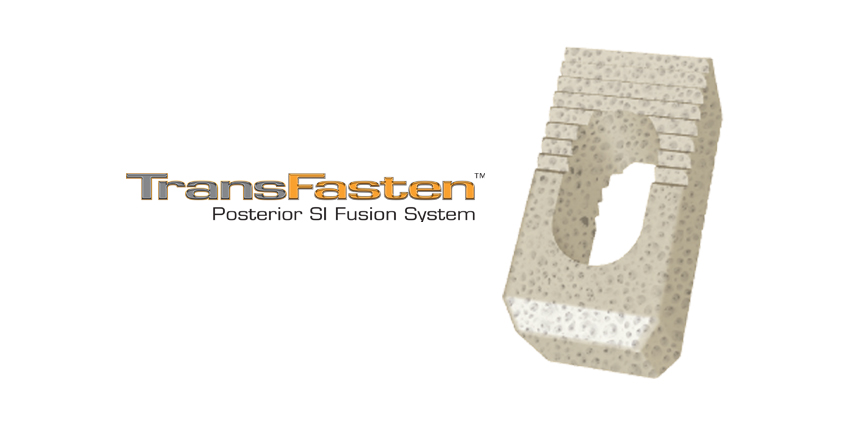
The TransFasten implant is a specially machined structural allograft that fits perfectly in the space created. Once inserted the lobed design helps to resist torsional and sheer forces at the joint providing immediate stabilization. Bone graft is also inserted into the graft window of the implant before insertion, as well as packed into the remaining space in the hole above the implant.
The inventor of TransFasten, Robert Lins, M.D., is also a surgeon at the Center for Bone and Joint Surgery of the Palm Beaches in Florida. He claims that, “As Captiva Spine continues to introduce TransFasten, many will bring this procedure to their practice simply for the safety of the posterior approach coupled with this unique approach to SI joint fusion site preparation.”
He also shared his understanding of the SI joint’s role, and why it often causes pain, “Because the sacroiliac joints transfer forces from the upper body to the lower extremities, they are subject to trauma and chronic degenerative changes. I truly believe the TransFasten procedure will enable the medical community to better serve their patients suffering these degenerative changes in the future.”
Because the device is made of structural allograft, it is not subject to the 510(k) or PMA regulatory pathways.
Author
React:
Discussion
This is a fascinating development. In my practice we've seen similar outcomes with the revised protocol. The key differentiator seems to be patient selection criteria. Has anyone else noticed the correlation with BMI thresholds?
Great point. I'd push back slightly on the conclusion, the sample size in the cited study is too small to draw population-level inferences. That said, the directional signal is compelling and worth a larger RCT.
We implemented a similar approach last year. Early results are promising but we're still gathering 12-month follow-up data. Happy to share our protocol if anyone is interested.
Join the conversation
Orthopedic professionals are discussing this. Sign in and upgrade to read every comment and add your voice.