
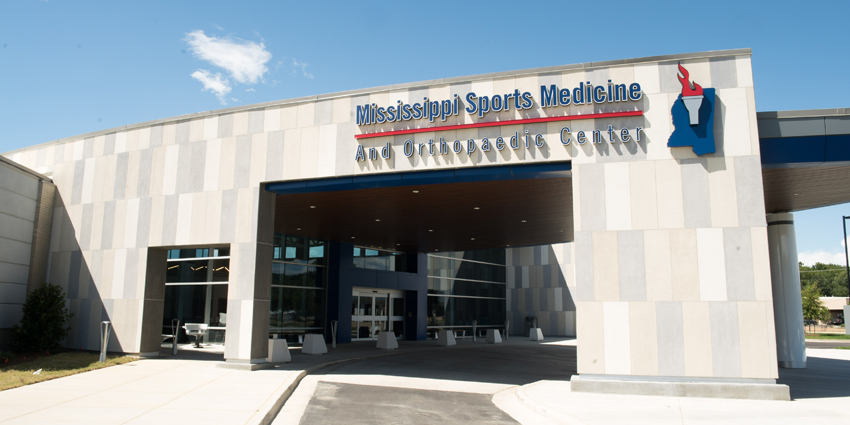
Venerable private equity firm FFL Partners is the catalyst behind Mississippi Sports Medicine and Orthopaedic Center, PLLC (MSMOC) forming U.S. Orthopedic Partners (USOP), a new orthopedic health services organization.
Leading Private Equity Firm Backs Ortho Practices
1 min read Premium comments
Secondary#fflpartners#usorthopedicpartners
FFL Partners is a San Francisco-based private equity firm. Founded 20 years ago, the firm invests in business services, industrials, and healthcare services.
Also investing in USOP is Thurston Group, a Chicago-based private equity firm. Thurston Group invests in healthcare companies. The press release did not disclose the financial terms of the transaction.
FFL Partners Director Karen Winterhof commented to OTW on the significance of the investment, “Our investment in USOP resulted from the thesis we developed around the orthopedic space, which is benefiting from demographic tailwinds of an aging population who experience higher rates of injury and require high quality orthopedic care.”
Winterhof continued, “Importantly, orthopedics will be a key component of the shift to value-based care, and MSMOC has been a leader in advancing this shift.”
MSMOC is an orthopedic services practice. Its staff of over 350 employees serves patients from six locations across Mississippi. Its surgeons “perform over half of the total joint replacements in Mississippi.”
USOP was formed as a managed services organization and is a “full-service, integrated orthopedic care platform.” It is structured to support practice management needs. USOP will continue to grow through acquisitions of orthopedic practices in the southeast.
MSMOC and USOP CEO Glen Silverman said, “Through USOP, we have created a highly scalable platform enabling physicians who join our organization the increased opportunity to focus on providing advanced care to their patients and ensure their practices are positioned for long-term success.”
Silverman continued, “The Company’s [USOP] robust practice management infrastructure will enable our doctors to focus on exceptional patient care and outcomes, while simultaneously providing the group’s leadership with a strong partnership to help reduce administrative burdens while strengthening their business operations.”
Author
React:
Discussion
This is a fascinating development. In my practice we've seen similar outcomes with the revised protocol. The key differentiator seems to be patient selection criteria. Has anyone else noticed the correlation with BMI thresholds?
Great point. I'd push back slightly on the conclusion, the sample size in the cited study is too small to draw population-level inferences. That said, the directional signal is compelling and worth a larger RCT.
We implemented a similar approach last year. Early results are promising but we're still gathering 12-month follow-up data. Happy to share our protocol if anyone is interested.
Join the conversation
Orthopedic professionals are discussing this. Sign in and upgrade to read every comment and add your voice.