
Medtronic plc. began selling the osteoinductive rhBMP-2 biologic, Infuse, in the Australian Market in 2006, having since generated an estimated $350 million in revenue from the product’s commercialization. In early July 2020, the company announced that it had withdrawn the product from Australia’s regulatory authority, the Therapeutic Goods Administration (TGA) as of March 23, claiming the decision was part of “the evolution of clinical practice” and “not related to product safety.” The withdrawal from the TGA leaves Infuse currently available only through a special access program.
Infuse Marketing in Australia Under Investigation
2 min read Premium comments
#medtronicSecondary#infuse#investigation
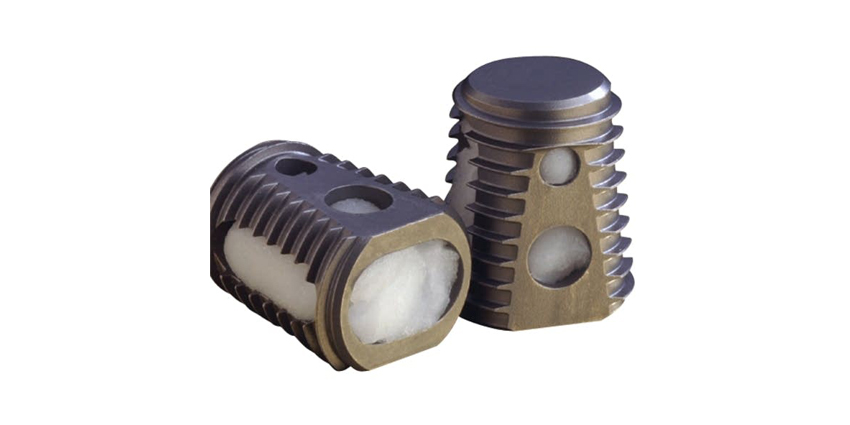
The withdrawal followed an investigation by News Corp that was spurred by a whistleblower complaint. The complaint accused Medtronic of not selling the companion LT-Cage interbody device along with the biologic. The company denies wrongdoing, stating that despite no sales of the LT-Cage funded by Private Healthcare Australia (PHA), the decision to use Infuse off label, without the cage, is up to the surgeon.
The whistleblower’s complaint challenges that notion by claiming that Medtronic never officially “launched” the cage in Australia. While other cages may provide the same function in containing Infuse at the surgical site, further off-label use at other levels or even outside of the spine is where the whistleblower says the issue “becomes unethical.” Australian regulators are now investigating the whistleblower’s claims.
Infuse is FDA approved for use with a wider range of interbody devices in the U.S., and it is not surprising that surgeons do not wish to use a threaded solid titanium cage for lumbar interbody fusion when many other devices on the market are better suited for patients. Claims made that the LT-Cage’s requirement for on-label use due to the risk of seepage leading to heterotopic ossification is weak due to the large graft windows in the device itself.
The use of the absorbable collagen sponge is intended to contain as much of the biologic as possible. Additionally, the FDA approved Infuse for use in posterolateral fusion (PLF) in 2019, which suggests sufficient data dispelling the need for “containment” of the biologic within an interbody device, a major claim against the company’s practices in Australia.
A company spokesman for Medtronic, Ben Petok, said, “Whether a surgeon chooses to use the LT-Cage is a clinical decision made by the surgeon based on patient anatomy, pathology and treatment plan without Medtronic’s involvement.” The company has already paid nearly half of a billion dollars in legal settlements in the U.S. Sale of the biologic in Europe, under the name InductOs, was halted in 2015 due to issues regarding the manufacture of the absorbable collagen sponge used with the product. Despite assurances of a relaunch by Medtronic, none has yet to be announced nearly five years later.
Author
React:
Discussion
This is a fascinating development. In my practice we've seen similar outcomes with the revised protocol. The key differentiator seems to be patient selection criteria. Has anyone else noticed the correlation with BMI thresholds?
Great point. I'd push back slightly on the conclusion, the sample size in the cited study is too small to draw population-level inferences. That said, the directional signal is compelling and worth a larger RCT.
We implemented a similar approach last year. Early results are promising but we're still gathering 12-month follow-up data. Happy to share our protocol if anyone is interested.
Join the conversation
Orthopedic professionals are discussing this. Sign in and upgrade to read every comment and add your voice.