
A study by University of Virginia (UVA) School of Medicine researchers reveals that mild brain injuries cause both immediate and long-term harmful health consequences.
Even Mild Brain Injuries Can be Devastating
2 min read Premium comments
Secondary#concussion#dementia#traumaticbraininjury
They found that even mild concussions and traumatic brain injuries (TBI) cause enough swelling to block the brain’s ability to clean itself of harmful toxins and debris. This causes short-term problems to memory, but also may lead to a later diagnosis of Alzheimer’s, dementia, and other neurodegenerative diseases.
The study, “Meningeal lymphatic dysfunction exacerbates traumatic brain injury pathogenesis,” was published on September 10, 2020 in Nature Communications.
The researchers said their discovery helps explain why repeated brain injuries are so harmful.
“This provides some of the best evidence yet that if you haven’t recovered from a brain injury and you get hit in the head again, you’re going to have even more severe consequences,” said John Lukens, Ph.D., of UVA’s Department of Neuroscience and the Center for Brain Immunology and Glia (BIG). “This reinforces the idea that you have to give people an opportunity to heal. And if you don’t, you’re putting yourself at a much higher risk for long-term consequences that you might not see in a year but could see in a couple of decades.”
Lukens and his colleagues discovered that the swelling in the brain causes it to press against the skull putting pressure on tiny lymphatic vessels that clean the brain. This affects the brain’s ability to get rid of toxins. Based on lab mice models, they said this impairment could last two weeks or even longer.
The fact that there are lymphatic vessels in the brain is a relatively recent finding. Jonathan Kipnis, Ph.D., and his collaborators at the University of Virginia identified them in 2015. Before that, scientists believe that the brain didn’t interact with the immune system.
He also found a connection between these vessels and age-related Alzheimer’s and cognitive decline. This newest research shows that these vessels also play a role in traumatic brain injuries.
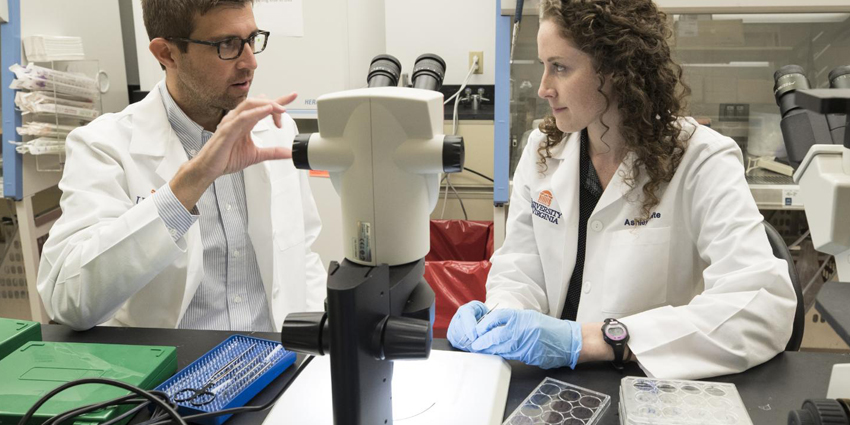
“We know that traumatic brain injury carries an increased risk for a bunch of long-term issues like dementia, Alzheimer’s disease and CTE [chronic traumatic encephalopathy], and this has really been made extra public because of the NFL,” Ashley C. Bolte, one of the researchers, said.
“Then there’s also anxiety, depression, suicide. The reasons why TBI results in increased risk for this isn’t totally known, and we think that our findings might provide a mechanism as to why.”
The study also suggests that people with pre-existing brain drainage problems either naturally caused or from a previous brain injury will suffer more serious consequences from a TBI.
“If you have a pre-existing kink in the pipes and you get hit in the head, then everything is taken to a higher level—the impacts on memory, the neuroinflammation. There are a lot of implications to it.”
Lukens said that more research is needed to identify how best to evaluate brain drainage after injury as well as drug therapies to repair the vessels. This, he added, will help doctors be better able to determine when it is safe to return to sports.
“Right now, we really don’t know what to tell these kids who want to get back out on the field, or even members of the military,” Lukens said. “It would be important to have empirical tests to say you can continue or never to do those things ever again.”
Author
React:
Discussion
This is a fascinating development. In my practice we've seen similar outcomes with the revised protocol. The key differentiator seems to be patient selection criteria. Has anyone else noticed the correlation with BMI thresholds?
Great point. I'd push back slightly on the conclusion, the sample size in the cited study is too small to draw population-level inferences. That said, the directional signal is compelling and worth a larger RCT.
We implemented a similar approach last year. Early results are promising but we're still gathering 12-month follow-up data. Happy to share our protocol if anyone is interested.
Join the conversation
Orthopedic professionals are discussing this. Sign in and upgrade to read every comment and add your voice.