
Kaiser Permanente has taken a deep dive into the connection between total joint arthroplasty (TJA) and adverse events for patients with cardiac implantable electronic devices. Their study, “Patients With a History of a Cardiac Implantable Electronic Device Have a Higher Likelihood of 90-Day Cardiac Events After Total Joint Arthroplasty: A Matched Cohort Study,” appears in the July 15, 2020 edition of the Journal of the American Academy of Orthopaedic Surgeons.
Risk of Cardiac Events After Total Joint Arthroplasty
1 min read Premium comments
#totaljointarthroplastySecondary#implantableelectronicdevice
Co-author Heather A. Prentice, Ph.D., M.P.H., a research scientist and investigator in Surgical Outcomes and Analysis, SCPMG Clinical Analysis, Kaiser Permanente in San Diego, California, explained that much of this research emanated from Kaiser’s registry data.
“The Southern Califronia Permanente Medical Group has several National Kaiser Permanente registries for different implantable devices,” Dr. Prentice told OTW. “This research idea was generated after realizing there are a growing number of patients living with multiple devices, yet there is a paucity of information on what happens to the patients.”
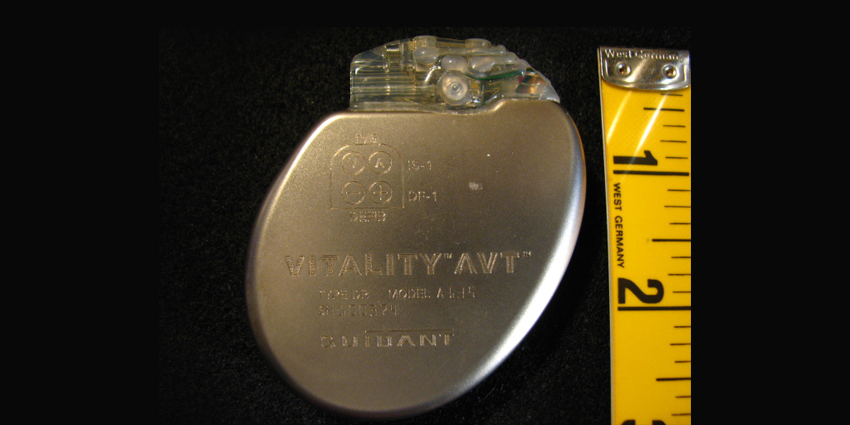
Noting that a cardiac implantable electronic devices tends to increase lifespan, the authors say that non-cardiac surgeries in these patients is becoming more commonplace.
The final study consisted of procedures performed by 196 surgeons at 41 healthcare centers. The researchers matched pairs of patients with and without a cardiac implantable electronic devices history based on patient demographics and characteristics.
“A total of 365 matched TJA pairs were obtained,” wrote the authors. “Of the cardiac Implantable Electronic Devices patients, 325 (89.0%) had a pacemaker, 38 (10.4%) had an implantable cardioverter defibrillator, and 2 (0.6%) had cardiac resynchronization therapy (both defibrillators). The median time from the cardiac Implantable Electronic Devices surgery date to the TJA procedure date was 4.6 years…”
And the results?
Dr. Prentice commented to OTW, “It was surprising to see that while patients with cardiac implantable electronic devices had a higher likelihood of 90-day cardiac events, we didn’t also observe a higher likelihood of emergency department visits, unplanned readmissions, or mortality, suggesting patients who did have a cardiac event were treated in the outpatient setting.”
“Clinicians needs to be mindful of other comorbidities which can impact quality of care perioperatively.”
Author
React:
Discussion
This is a fascinating development. In my practice we've seen similar outcomes with the revised protocol. The key differentiator seems to be patient selection criteria. Has anyone else noticed the correlation with BMI thresholds?
Great point. I'd push back slightly on the conclusion, the sample size in the cited study is too small to draw population-level inferences. That said, the directional signal is compelling and worth a larger RCT.
We implemented a similar approach last year. Early results are promising but we're still gathering 12-month follow-up data. Happy to share our protocol if anyone is interested.
Join the conversation
Orthopedic professionals are discussing this. Sign in and upgrade to read every comment and add your voice.