
Researchers have found an association between scoliosis and a chromosomal deletion, 22q11.2, which is also known to cause congenital heart disease (CHD).
Surprising Scoliosis Genetic Link Found in New Study
1 min read Premium comments
#scoliosis#chromosomaldeletion#genetics
The group, which includes collaborating orthopedic surgeons, cardiologists, and geneticists from The Netherlands, Canada, and the U.S., published their findings in the June 2020 issue of The Spine Journal. They investigated the observed relationship between CHD and scoliosis to determine if CHD itself was a contributing factor in the development of scoliosis. This was the first study to probe the 22q11.2 chromosomal deletion’s association.
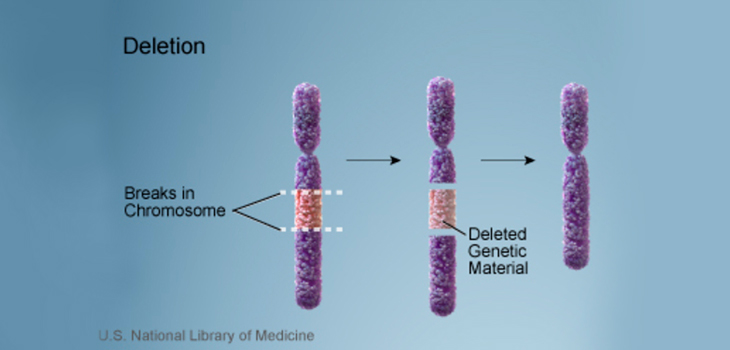
The deletion results in the loss of a portion of the long arm of chromosome 22. It causes DiGeorge syndrome, which includes a number of common symptoms affecting the immune, gastrointestinal, and cardiovascular systems. It is also the second most common cause of CHD after Down syndrome.
The study by Homans, et al., “The role of 22q11.2 deletion syndrome in the relationship between congenital heart disease and scoliosis,” assessed the prevalence of scoliosis among a group of adults with CHD. The study reported that scoliosis was found in adults with CHD and the chromosomal deletion at a significantly higher rate than those with CHD and no chromosomal deletion, or the general population. The results of the study suggest that detection of the 22q11.2 deletion predicts an increased risk of developing scoliosis, especially in individuals with CHD. The genes in 22q11.2 that may be important in the development of scoliosis or CHD were not discussed.
Additional work that links specific genes to idiopathic scoliosis, at least in model organisms, has been done previously. Research on zebrafish has shown that ptk7, a tyrosine kinase in the Wnt signaling pathway, affects the function of cilia on the brain and in the spinal cord. The dysfunctional cilia lead to defective flow of CSF [cerebrospinal fluid], which is observed in those with scoliosis. This work was published in Science in 2016. As more research emerges and paints a clearer picture of the genetic risk factors of scoliosis it may be possible to take proactive steps to mitigate the risk and slow the development of the disease.
Author
React:
Discussion
This is a fascinating development. In my practice we've seen similar outcomes with the revised protocol. The key differentiator seems to be patient selection criteria. Has anyone else noticed the correlation with BMI thresholds?
Great point. I'd push back slightly on the conclusion, the sample size in the cited study is too small to draw population-level inferences. That said, the directional signal is compelling and worth a larger RCT.
We implemented a similar approach last year. Early results are promising but we're still gathering 12-month follow-up data. Happy to share our protocol if anyone is interested.
Join the conversation
Orthopedic professionals are discussing this. Sign in and upgrade to read every comment and add your voice.