
Some biomaterials, such as copper and silicon nitride, have known antibacterial properties, which OTW has reported on previously.
Silicon Nitride Inactivates SARS-CoV-2 In the Lab
2 min read Premium comments
Secondary#covid19#siliconnitride#sarscov2
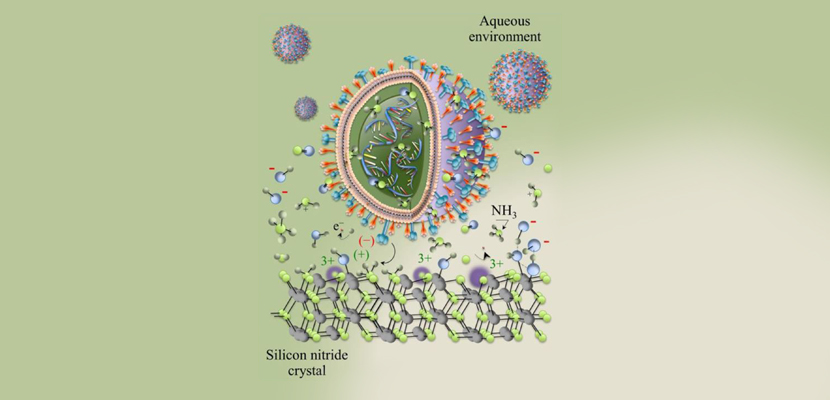
A research group from Kyoto, Japan, have shown that some of these biomaterials are also effective at inactivating SARS-CoV-2, the virus that causes the COVID-19 disease. Previous research had shown effectiveness of silicon nitride in the inactivation of H1N1, Feline calicivirus and Enterovirus, so the group suspected it may be effective on SARS-CoV-2. Their work is not yet peer reviewed and is available as a preprint on bioRxiv.
The group compared the effects of silicon nitride (Si3N4) particles, and aluminum nitride particles on virus inactivation after 1 and 10 minutes of treatment. They used copper as a positive control and a sham treatment as a negative control.
The researchers used real-time PCR (RT-PCR) [polymerase chain reaction and reverse transcription polymerase chain reaction] to detect viral RNA, and immunofluorescence testing to determine the infectivity of the treated virus. The treatment with silicon nitride, aluminum nitride, or copper particles all resulted in significant and substantial RNA fragmentation, as detected by RT-PCR.
When supernatant of the treated samples were used to infect cultures of a SARS2-CoV-2 susceptible cell line, VeroE6/TMPRSS2, the researchers found very low levels of infection from the silicon nitride and aluminum nitride treated samples. The cells inoculated with the copper treated sample showed very low viability, likely due to the cytotoxicity of copper itself. Further, Raman spectroscopy showed lower toxicity to the cells from silicon nitride compared with copper or aluminum nitride, suggesting better biocompatibility of the material.
The results of the study indicate that silicon nitride is effective in inactivating SARS-CoV-2 viruses, while being safe for human cells and tissue. The authors suggest that silicon nitride, and other compounds that are capable of “endogenous nitrogen-release” could be incorporated into fabric for personal protective equipment such as face masks, gowns, and drapes to help reduce the spread of COVID-19 through touch points.
The silicon nitride material used in the experiment was provided by SINTX Technologies, Inc., which is the same manufacturer of silicon nitride that is used in CTL Amedica’s Valeo line of interbody fusion devices.
Author
React:
Discussion
This is a fascinating development. In my practice we've seen similar outcomes with the revised protocol. The key differentiator seems to be patient selection criteria. Has anyone else noticed the correlation with BMI thresholds?
Great point. I'd push back slightly on the conclusion, the sample size in the cited study is too small to draw population-level inferences. That said, the directional signal is compelling and worth a larger RCT.
We implemented a similar approach last year. Early results are promising but we're still gathering 12-month follow-up data. Happy to share our protocol if anyone is interested.
Join the conversation
Orthopedic professionals are discussing this. Sign in and upgrade to read every comment and add your voice.