
The Journal of Bone and Joint Surgery recently published “Novel Coronavirus COVID-19: Current Evidence and Evolving Strategies.” The article provides an overview of COVID-19, a historical analysis of pandemics, and guidance for surgeons, orthopedists, and other medical professionals.
Historic Pandemics and Strategies for Orthopedists
2 min read Premium comments
Secondary#covid19#sarscov2#centersfordiseasecontrol
The team of researchers utilized numerous sources in compiling data for the article. Researchers examined articles from electronic databases including PubMed, Embase, and Google Scholar. They also relied on information from government health agency websites, the World Health Organization (WHO), and the Centers for Disease Control and Prevention (CDC). Recognizing the rapidly evolving nature of the COVID-19 pandemic, the team examined unpublished papers from the medRxiv database.
COVID-19 is caused by a coronavirus called SARS-CoV-2. It mainly spreads from person to person. This can be through an infected person’s cough or sneeze droplets. According to the CDC, there is no specific antiviral treatment recommended for COVID-19.
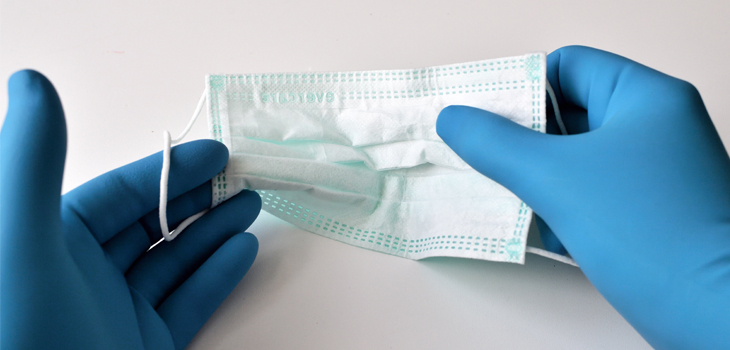
Given the rapidly changing environment of COVID-19, most communities have already implemented the article’s WHO recommendations. Recommendations included hand washing, masks, coughing or sneezing into a tissue or elbow, cleaning, sanitization, and isolation if an individual is ill or has symptoms. Local-based recommendations included a reduction in large gatherings and closures for schools, workplaces, and public transportation.
Orthopedic surgeons can utilize the article’s surgeon recommendations. Notably, surgeons should stay abreast of WHO and CDC updates. Surgeons can also do the following.
- Reschedule or cancel office visits and elective procedures.
- Utilize outpatient settings whenever feasible.
- Reduce usage of essential items such as ventilators, PPE, and cleaning supplies.
- If your practice includes critical care patients, maintain space and supplies for a possible influx of patients.
- If your practice is larger, utilize teams. Keep teams separated from each other to reduce exposure.
- Professional development should be attended remotely. This includes conferences, educational courses, meetings, and panels.
- Utilize telehealth services with patients where practicable.
- Minimize or cancel nonessential travel. Restricting movement helps to stop the spread of the disease and ensures maximum availability.
Orthopedic surgeons operating on patients exposed to COVID-19 face additional challenges. Extra precautions should be taken in and out of the operating room. Surgical planning should include additional steps to prevent airborne spread in the operating room. Use disposable equipment whenever possible. Utilize double caps, N95 masks, medical goggles, and boots. Allocate additional decontamination time for the staff and operating room.
Examining past pandemics, including H1N1 and the 1918 influenza, the article warns of the potential for multiple waves. Of the three waves of the 1918 influenza, the second wave was the deadliest. Wave timing is unpredictable. The article encourages “vigilance and preparedness” in the “weeks to months following a slowdown in new cases.”
Another avenue for respite from COVID-19 is a vaccine. Multiple pharmaceutical companies are working towards that goal. The article cautions against whole-virus vaccines. In the short term it favors the potential of a subunit vaccine. Based on the most recent news, approximately 75 COVID-19 vaccine candidates are in various stages of development.
Author
React:
Discussion
This is a fascinating development. In my practice we've seen similar outcomes with the revised protocol. The key differentiator seems to be patient selection criteria. Has anyone else noticed the correlation with BMI thresholds?
Great point. I'd push back slightly on the conclusion, the sample size in the cited study is too small to draw population-level inferences. That said, the directional signal is compelling and worth a larger RCT.
We implemented a similar approach last year. Early results are promising but we're still gathering 12-month follow-up data. Happy to share our protocol if anyone is interested.
Join the conversation
Orthopedic professionals are discussing this. Sign in and upgrade to read every comment and add your voice.