
Flexion Therapeutics, Inc., recently announced new positive preclinical efficacy and pharmacokinetic data for its locally administered peripheral nerve block candidate.
72-Hour Knee Analgesic (NaV1.7) Shows Early Promise
1 min read Premium comments
Secondary#flexiontherapeutics#nav17inhibitor
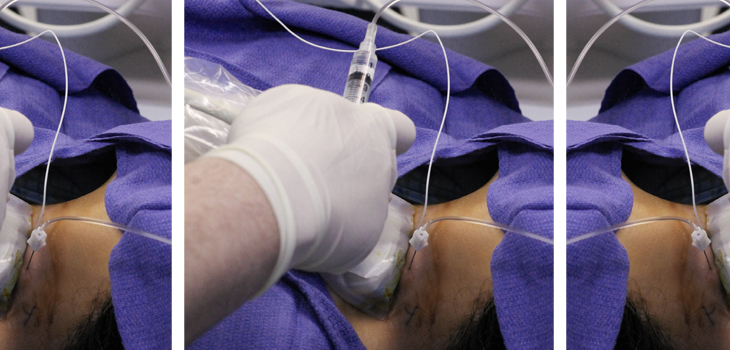
FX301, a NaV1.7 inhibitor is given as a single injection to control post-operative pain. The data, which was presented in an electronic poster presentation for the American Society of Regional Anesthesia, showed a sustained analgesic effect for 72 hours with no motor function impairment.
“These compelling data bolster our excitement about the potential for FX301to solve the issues that have plagued most pain drug candidates in the NaV1.7 inhibitor class and address a key unmet need in post-operative pain management—to provide durable and meaningful post-operative pain relief while sparing motor function,” said company President and CEO Michael Clayman, M.D.
“In contrast to liposomal bupivacaine, FX301, through its innovative mechanism of action, provided improved analgesic effect while preserving motor function.”
The study used a validated post-operative pain model in pigs. The pigs were divided into three groups: FX301(13 mg/mL: total dose 130 mg), liposomal bupivacaine (13.3 mg/mL: total dose 133 mg) or placebo (normal saline) in close proximity to the sciatic nerve before receiving a surgical incision. Both pain and motor function were measured during different intervals through the 72-hour mark.
Overall, the researchers said that FX301 offered both greater pain relief and a longer duration of it through 72 hours compared to liposomal bupivacaine or placebo.
“These results support the potential for FX301 to become a differentiated peripheral nerve block product which could enable more rapid post=operative ambulation and rehabilitation than existing nerve blocks. We look forward to advancing the FX301 GLP toxicology studies this year and intend to initiate human trials in 2021,” Clayman added.
Author
React:
Discussion
This is a fascinating development. In my practice we've seen similar outcomes with the revised protocol. The key differentiator seems to be patient selection criteria. Has anyone else noticed the correlation with BMI thresholds?
Great point. I'd push back slightly on the conclusion, the sample size in the cited study is too small to draw population-level inferences. That said, the directional signal is compelling and worth a larger RCT.
We implemented a similar approach last year. Early results are promising but we're still gathering 12-month follow-up data. Happy to share our protocol if anyone is interested.
Join the conversation
Orthopedic professionals are discussing this. Sign in and upgrade to read every comment and add your voice.