
A recent study from Midwest Orthopaedics at Rush in Chicago has determined that it is critical that patients with femoral acetabular impingement syndrome (FAIS) be diagnosed and treated as soon as possible. The sooner the operative treatment, the better the outcomes.
For FAIS, Delay Is NOT Recommended: New Study From Rush
1 min read Premium comments
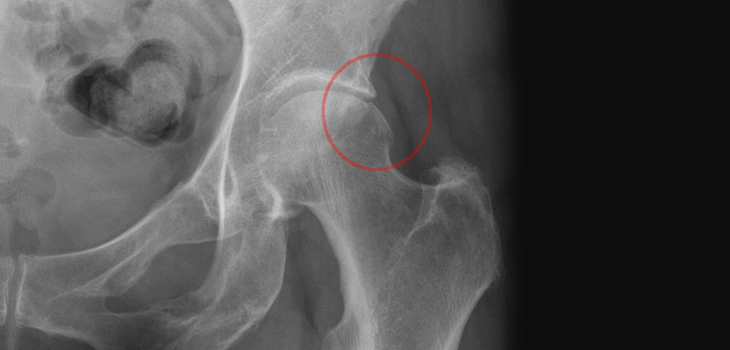
#hiparthroplastySecondary#femoroacetabularimpingementsyndrome#capsularplication
Their study, “Preoperative Duration of Symptoms Is Associated With Outcomes 5 Years After Hip Arthroscopy for Femoroacetabular Impingement Syndrome,” appears in the April 2020 edition of Arthroscopy.
Co-author Shane J. Nho, M.D., M.S., an orthopedic surgeon at Rush, told OTW, “The treatment of labral tears and femoroacetabular impingement syndrome (FAIS) has been evolving over the past decade. Our institution has published on several studies reflecting the contemporary treatment which includes chondrolabral repair, surgical correction of FAIS, and capsular plication. While the published clinical outcomes have been promising at 2 years, there are very few studies that have been published looking at the 5-year timepoint.”
The team from Rush looked at 310 patients from January 2012 to January 2014.
Dr. Nho summarized the findings of the study to OTW, “At 5 years, there is a significant improvement in patient reported outcome scores for hip pain and function compared to the baseline scores. The revision rate at 5 years was also exceedingly very low at 1.3% for the entire study group of 310 patients. However, patients who had symptoms for more than 2 years before surgery did not have as robust a score compared to patient who were treated sooner after the onset of pain.”
Noting the importance of speed in addressing the problem Dr. Nho added, “If you develop hip pain or dysfunction, you want to be diagnosed and treated efficiently. Many patients will undergo a protracted course of non-operative treatment due to misdiagnosis, unnecessary or incorrect treatment. Hip pain can be difficult to diagnose; therefore, evaluation by a hip specialist is important to obtain an accurate diagnosis and treatment plan.”
“Using modern techniques of hip arthroscopy to treat labral tears and FAIS yields consistent pain relief and hip function improvement with durable results at 5 years. Accurate diagnosis and efficient treatment plan will allow for an optimal outcome.”
Author
React:
Discussion
This is a fascinating development. In my practice we've seen similar outcomes with the revised protocol. The key differentiator seems to be patient selection criteria. Has anyone else noticed the correlation with BMI thresholds?
Great point. I'd push back slightly on the conclusion, the sample size in the cited study is too small to draw population-level inferences. That said, the directional signal is compelling and worth a larger RCT.
We implemented a similar approach last year. Early results are promising but we're still gathering 12-month follow-up data. Happy to share our protocol if anyone is interested.
Join the conversation
Orthopedic professionals are discussing this. Sign in and upgrade to read every comment and add your voice.